| Trouble viewing this email? Read it online. |

| December 12, 2025 | Submit a College Note |
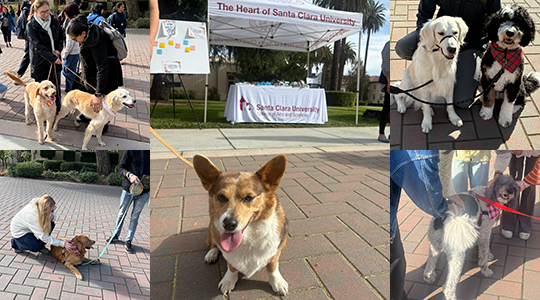
Dogs of CAS: The CAS Student Engagement Team hosted a "You Got This!" event last week. Students reveled in the joy of these happy and energetic dogs.
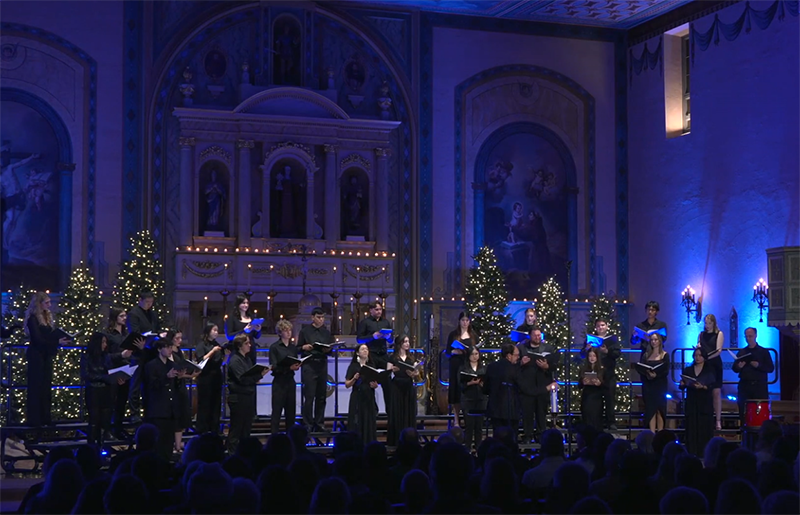
Fall—the quarter and the season—is coming to a close, with misty mornings here in Santa Clara. For now, it is all grading and finishing end-of-year tasks, but soon it will be winter. George Sand, the great 19th century French novelist describes this moment in her book François Le Champi (1848): L’automne est un andante mélancolique et gracieux qui prépare admirablement le solennel adagio de l’hiver. (Autumn is a melancholy and gracious andante that admirably prepares the solemn adagio of winter). This is a wonderful time to be on campus. Our buildings are adorned for the holidays, spirits are high and, at the center of campus, stands a beautiful lighted tree. Many faith traditions welcome light during this time of year as a symbol of hope. Whether you’re strolling through campus in the evening, driving through neighborhoods of brightly lit houses, or simply enjoying the warm glow of the Christmas tree in your home, may the twinkling lights bring you peace, joy, and hope. With this College Notes, the last of 2025, I leave you with a short poem by Langston Hughes that was set to music by the contemporary composer Rosephanye Powell. You can click on the video of our own concert choir performing “To sit and dream” in the Mission Church at last week’s Festival of Lights. Wishing you a dreamy and restorative holiday season, Daniel To You By Langston Hughes
To sit and learn about the world Outside our world of here and now- Our problem world- To dream of vast horizons of the soul Through dreams made whole, Unfettered free-help me! All you who are dreamers, too, Help me to make our world anew. I reach out my hand to you.
Highlights
On Nov. 13, students, faculty, alumni, and staff participated in SCU's first celebration of World Philosophy Day. Christine Wieseler (Philosophy) was the lead organizer for this event, with substantial contributions from Erick Ramirez (Philosophy) and Jan Davis (Philosophy). Dean Daniel Press' opening remarks highlighted the value of philosophy for folks in STEM fields. Eric Yang (Philosophy) gave an engaging and timely talk entitled "Loving Wisdom in Difficult Times." The event featured a panel of SCU alumni: Anthony Mejia ’20 (Psychology, Philosophy), Kelly Shi ’16 (Philosophy), Dorian Clay ’22 (Individual Studies, Computer Science and Engineering), Eric Johnson ’14 (Classical Studies), Shelby Jennett ’24 (Neuroscience), and Clare MacMillin ’23 (Political Science, Philosophy). They shared their educational and career-related experiences since graduation, memories of studying philosophy at SCU (including Ethics Bowl), and how philosophy plays a role in their lives today. They also gave advice to current students, such as growing comfortable with uncertainty and being open to unexpected opportunities. Multiple speakers discussed ways to engage in philosophy through the Philosophy Society, Darcy Muller ’27 (Philosophy, Psychology); the Undergraduate Writing Workshop, Erin Bradfield (Philosophy); Hackworth Grant, Johana Engstrom ’22 (Economics, Philosophy); and Cafe Socrates, Scott LaBarge (Philosophy). Noah Kisiel ’26 (Philosophy, Political Science) gave an interesting talk called “Creativity in Virtue Acquisition and Virtue Ideation.” Next, a panel of faculty members in the Department of Philosophy, Madeline Cronin, Kimberly Dill, Lawrence Nelson, and Matthew Izor, discussed their paths into philosophy and advice for students, including the value of grappling with difficult ideas.
Elsa Chen (Political Science) met with Washington Semester participants Maria Estrada ’26 (Political Science, Economics), Amulya Thota ’26 (Political Science), and Emma Moltyaner ’27 (Political Science), along with alumna Heather Powell Browne '00 (Communication), during a recent trip to Washington, DC.
Before joining SCU, Maggie Wander (Art and Art History) was part of the team who produced the audio guide in the new Oceania galleries at the Metropolitan Museum of Art. This week, that audio guide received the Silver & Community Voice award from Anthem Awards. Maggie and the rest of the curatorial team interviewed Pacific artists, curators, poets, and scholars who shared their reactions to these objects, reflected on their elders' knowledge, and spoke to the future of these thriving art forms. This recognition from Anthem Awards acknowledges how the audio guide—unique among the guides normally featured at the Met—uplifts and foregrounds Indigenous Pacific voices. Listen to the guide. Image: Logo for the Arts of Oceania galleries in the new Michael C. Rockefeller Wing at the Metropolitan Museum of Art, New York.
At the annual AAC&U (American Association of Colleges and Universities) Conference on Global Learning, held Nov. 12–14, Marie Bertola (Modern Languages and Literatures) and Shauna Strauss (Career Center) co-presented a session titled “Beyond Fluency: Career-Oriented Approaches to Language Curriculum Design.” Their talk examined curricular initiatives that connect Italian language learning with career readiness, demonstrating how world languages can align with the occupational dimension of cura personalis. They outlined several curricular innovations: a newly designed Italian Internship course; interdisciplinary offerings such as Italian for Engineers and Global Contributions of Italian Design; and the integration of NACE (National Association of Colleges and Employers) competencies into the elementary Italian language sequence. These efforts encourage students to stop seeing courses as isolated boxes to check, and instead approach linguistic and intercultural learning as a stepping stone for building a coherent trajectory across lower- and upper-division classes while gaining a deeper understanding of the transferable skills that matter in today’s job market. They also underscored expanding partnerships with the Career Center, including the mentorship program with SCU alumni and the upcoming joint “Languages at Work” event in February—part of a broader departmental effort to build sustainable collaborations that strengthen students’ academic and professional pathways.
Abstract: Our increasingly divisive and conflictual society and culture can benefit from the wisdom of the American Psychological Association’s Code of Ethics for both psychologists and perhaps the general public as well. The professional psychological community, although experts on human behavior and interpersonal relationships, are not immune to the difficulties in getting along with each other and have experienced significant conflicts and turmoil in recent years regarding several contentious topics. The purpose of this article is to highlight sections of the American Psychological Association’s Code of Ethics that professional psychology should keep in mind in navigating challenging times and offer others the opportunity to use the wisdom from the Code of Ethics to improve interpersonal interactions and relationships for everyone.
Lee Panich (Anthropology), Amy Lueck (English), Lauren Baines ’08 (Theatre Arts), de Saisset Museum, and Isabella Gomez ’27 (Philosophy) published an article in The Public Historian, the flagship journal in the field of public history. "We Are Here Because of Them: Co-Creating a Native Cemetery Memorial at Mission Santa Clara" discusses the Native Cemetery Memorial installation that is now permanently installed in the California Stories exhibit at the de Saisset in recognition of the 7,612 Native burials on Santa Clara's campus. The article details the co-design process, including the work of Ohlone youth ambassadors who worked with SCU undergraduate students in two courses to compose the featured Native biographies in the exhibit. You and your students can visit the exhibit during museum hours or explore the online version of the exhibit anytime.
Ian Erickson-Kery (Modern Languages and Literatures) published the peer-reviewed article “From the Favela to the Slum: Race, Nation, and Realism in the Photographs of Gordon Parks and Henri Ballot” in the October 2025 issue of Latin American and Latinx Visual Culture. The article addresses a 1961 controversy between Life magazine and its Brazilian counterpart O Cruzeiro over allegations that its photographers had manipulated images of urban poverty for sensational effect. Presenting in-depth analysis of the photographs in question and their surrounding social contexts, the article demonstrates the controversy to be a key moment in the (mis-)translation of racial ideology between Brazil and the United States, especially in light of the close link between race and the period’s “urban renewal” campaigns across the hemisphere. The article was published with the support of a Lecturer Professional Activity Grant from the Provost’s Office.
David Gray (Religious Studies) recently participated in an international conference, "Embodied Religion: The Body in Diverse Religious Traditions," held at Fu Jen Catholic University in Taipei, Taiwan, Nov. 14-15. David presented a paper titled "Perspectives on Cakrasaṃvara Body Mandala practice from the Geluk Tradition." He also participated in the Roundtable Forum that concluded the conference.

Janice Edgerly-Rooks (Biology) presented an invited keynote lecture for the symposium "Small Orders, Big Ideas" at the annual conference of the Entomological Society of America. Her talk entitled "Don’t you know your name is Embioptera? Introducing a webspinner species that prefers not to spin silk, not to guard her eggs and not to associate with others." Embiopterans, commonly known as webspinners, are distinguished by several shared characteristics: they construct intricate silk domiciles, exhibit maternal care behavior, and are typically gregarious. While these traits characterize species worldwide, recent findings on a common exotic species introduced to California from the Mediterranean, present a striking counterpoint. Adult females are invariably found alone in separate silk galleries. They spin silk reluctantly, show no maternal care for their eggs, and display pronounced antisocial behaviors. The presentation explored whether this unusual behavior is partly attributable to the presence of parasites triggering social distancing evolved as a means to minimize contact between infected and non-infected individuals. The research presented has engaged numerous SCU undergraduates over many years in the Edgerly-Rooks lab. Image: Janice Edgerly-Rooks at the 2025 conference of the Entomological Society of America.
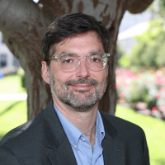
The APSA Committee on the Status of Contingent Faculty in the Profession has selected Thomas Meredith (Political Science) as a winner of this year’s Award for Excellence in Scholarship, Teaching, or Leadership by Contingent Faculty.
Thomas is the organizer of a University-wide year-long speaker series in honor of the 250th anniversary of the Declaration of Independence, titled “Reclaiming the Declaration: Civic Renewal in the 21st Century,” co-sponsored by the Office of the Provost, Departments of Political Science and Classics, Ignatian Center, ASG, IMPACT, and the Alliance for Civics in the Academy. The first event in the series, on Oct. 23, featured thought-provoking presentations by political philosophers Shalini Satkunanandan and Jennie Ikuta in conversation about "Race, Baldwin, and the Future of American Democracy," followed by insightful responses by two student discussants from the political science department.
Back in spring, Birgit Koopmann-Holm was interviewed for SciFusion, a University of Michigan initiative that teaches people about science, society, and others’ experiences through stories, interviews, and the arts. A team created an engaging video about her work on cultural differences in compassion that is now listed as Episode 6 on SciFusion Shorts.
Heather Clydesdale (Art and Art History) served as the English-language editor for the book Present (Duihua ji 對話集) on the work of Taiwanese American artist Mia Liu (Liu Wen-Hsüan 劉文瑄). The book explores Liu’s multimedia works and her artistic and philosophical journey over the last 25 years through a series of transcribed conversations with a prominent curator, architect, critic, and others. In editing the English translations, Heather adjusted metaphors and tone to try to capture the authentic voice of each speaker in the original Chinese-language transcripts. Mia Liu was educated at the San Francisco Art Institute and Hunter College, and her works have been exhibited in major international museums. She lives and works in Taipei.
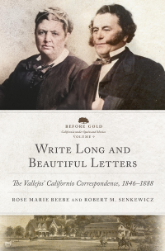
The experiences of Mexicans living in California when it was annexed by the United States are a crucial element of the history of the American Southwest. The Californios, as they called themselves, made California diverse and multicultural from the moment it became part of the United States. The Vallejos of Sonoma were one of the most prominent Californio families. This volume explores this family's experiences, using more than 180 letters that Mariano Guadalupe Vallejo and Francisca Benicia Carrillo de Vallejo exchanged with each other and their children between 1846 and 1888. The letters offer an intimate glimpse into how the Vallejos and many Californio families, from a variety of social and economic backgrounds, struggled to adapt to the political, social, and cultural changes that accompanied American annexation. They often found themselves unwelcome strangers in the land in which they had been born. They faced changing and, at times, conflicting demands on their public and private lives. In the face of a hostile legal system, they struggled to maintain ownership of their property, to raise their children in an environment they didn't entirely understand, and to help each other maintain their dignity and social authority in a world they had not chosen. The letters document a crucial aspect of the Latino experience in California and in the greater American Southwest during the second half of the 19th century—with repercussions and relevance into the present era. Image: Write Long and Beautiful Letters: The Vallejos’ Californio Correspondence, 1846-1888. Translated and edited by Rose Marie Beebe (Modern Languages and Literatures, Emerita) and Robert M. Senkewicz (History, Emeritus).
Paul Mariani, S.J. (History) published China's Church Divided with Harvard University Press this year. According to the Harvard website, the book is "An illuminating portrait of how Shanghai’s Catholic community surged back to life after the Cultural Revolution—and of a Church divided between allegiance to the Vatican and loyalty to the Communist party-state." China's Church Divided was selected as one of The Best of Books 2025 by the journal Foreign Affairs, which wrote: "Mariani offers an extraordinary account of how a small group of Catholic priests and other church leaders emerged from the devastation of Maoist China to lead the restoration of the Catholic Church in Shanghai in the 1980s. He describes in meticulous detail the battle that ensued within this elite group for the very soul of the church."
On Nov. 13, Center for the Arts and Humanities fellow and professor of poetry Daniel B. Summerhill (English) hosted "Building Words, Building Worlds, An Abolitionist Poetry Reading and Dialogue"—a poetry reading from poets who work at the intersection of creative writing and prison-abolition. Readers championed the work of June Jordan, Mariame Kaba, Assatta Shakur, and others ahead of sharing their own work. The reading was followed by a conversation about the groundwork each panelist participates in, as well as the legacy of writers who have grappled with the ill effects of carcerality.
John Hawley (English, Emeritus) presented a paper at the University of Heidelberg titled “Narration as Disruption: Yoni ki Baat, Shailja Patel’s Migritude, and Caste Discrimination in Silicon Valley,” for the European Conference for South Asian Studies. His essay, "The Life You Save May Be Your Own," appeared in the open access journal ZEAL. It was part of a discussion of the interest of Pope Francis in the arts as precursors to empathy.
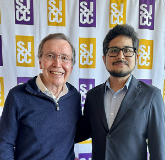
In November, Victor Quiroz (Modern Languages and Literatures) gave two conference presentations. The first, titled “Ainoko Aesthetics in the Cordillera: Indigenous Ancestrality, Futurism, and Transpacific-Andean Connections in Peru and Bolivia,” was presented at the LASA Oceania–Asia Congress in Melbourne, Australia. In this presentation, Victor explored the symbolic and political implications of the aesthetic convergence between Japanese mass entertainment culture (particularly manga and anime) and Andean cultural referents (mainly Quechua mythology and Altiplanic dances) in the work of contemporary Peruvian and Bolivian artists. The second presentation, titled “Latin American Archives in the Works of Francisco Jiménez,” was delivered at the Pacific Ancient and Modern Language Association Conference in San Francisco. Drawing on the concept of the “Fiction of the Archive,” Victor offered a genealogical reading of Francisco’s autobiographical saga (from The Circuit to Taking Hold) that (re)connects these Latinx memoirs with central metanarratives—legal discourse, scientific travelogues, and anthropology—as well as with major works in the Latin American literary canon, from the colonial period to the twentieth century. Image: Francisco Jiménez (Modern Languages and Literatures, Emeritus) and Victor Quiroz.
Sharmila Lodhia (Gender and Sexuality Studies) was invited to participate in an inaugural gathering of the Critical Gender Studies Network by the Gender Critical Studies Center (Centro de Estudios Críticos de Género y Feminismos, CECRIGE) at Universidad Iberoamericana in Mexico City. The symposium, "Gender Studies in Jesuit Universities: Academic Encounter 2025," drew leaders of gender studies units from across 12 Jesuit universities and included presentations on institutional challenges and opportunities for the field with the goal of building a transnational academic network of scholars working collectively to advance gender studies.
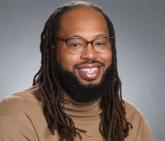
Justin Clardy (Philosophy) published an article in the Journal of Social Philosophy. The article, "Black Love," explores common conflations of "Black love" with "romantic love" and "marriage." Justin offers a constructionist account of Black love that foregrounds its historical regulation and structural constraints. In Clardy's view, if love remains embedded within a racialized social metaphysics, then no practice of love—no matter how just or ethical—can fully transcend the conditions that define it. Thus, their account provides a diagnostic of Black love that is, perhaps, a site of possibility, but is more surely a collection of intimate relations forged under constraint.
Iris Stewart-Frey (Environmental Studies and Sciences, Environmental Justice and the Common Good Initiative) spoke on Rai Internazionale Radio (RAI, Italy) about the prospects for advancing environmental and climate research, policy, and action in California within the current U.S. national political context. Her interview followed the conclusion of the COP30 conference and addressed questions regarding the U.S. administration’s non-participation, as well as the disproportionate impacts of pollution and climate change on vulnerable communities. Iris noted Governor Newsom’s presence at COP30 and his emphasis on framing California’s green transition as innovative, forward-looking, and economically beneficial. She also commented on the emerging benefits, potential environmental burdens, and lack of transparency associated with the rapid expansion of hyperscale AI data centers.
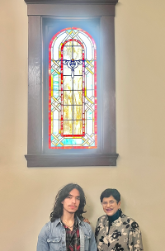
Aparajita Nanda (English) and her student co-author and LEAD scholar, Alexis Alvarez Figueroa ’27 (Psychology, Sociology) collaborated in a joint presentation titled, "Bodies for Tomorrow: Posthuman Relationality and the Hybrid Entity in the novels of Octavia Butler and Eve Gill." The paper was presented by Apara with Alexis in absentia at the 16th International Symposium on Comparative Literature held at the University of Cairo, Egypt. Their paper integrated insights from history, literature, and the social sciences to better understand texts within and beyond their cultural and historical contexts. Apart from contributing to the paper, Alexis also translated Eve Gill's novel from Spanish to English. The paper was deeply appreciated for its cross-cultural analysis and the possibility of setting up novel conversations between African American and Latin American science fiction texts. Image: Alexis Alvarez Figueroa and Aparajita Nanda.
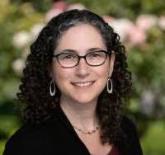
Naomi Levy (Political Science) recently gave two talks about her Firsthand Framework for Policy Innovation research initiative. In October, she spoke at the California Department of Public Health's Convening on Firearm Violence Prevention Strategies and in early December, she gave a talk in a webinar on Innovations in Community Engagement, which was hosted by Columbia University's Negotiation and Conflict Resolution program.
Rohit Chopra (Communication) spoke at the “Big Tech, Democracy, and Human Rights in South Asia” conference at the University of California, Berkeley, held on Nov. 12. Co-organized by the Center for the Study of Organized Hate (CSOH), where Rohit serves as advisory board member, the Center for Race and Gender, the Political Conflict, Gender and People's Rights Initiative, and the Institute for South Asian Studies at UC Berkeley, and co-hosted by the Center for South Asia at Stanford University, the conference brought together journalists, digital rights advocates, and scholars to examine how technology platforms shape democracy and human rights across South Asia. Rohit delivered the opening remarks for the first panel, "Social Media Platforms: Impact on Democracy" at the conference. Rohit also attended and spoke at the inaugural AI for Individual Rights Summit, held in the Presidio, San Francisco, on Nov. 18-20. Organized by the Human Rights Foundation and attended by nearly 100 human rights and technology leaders from across the world, the summit examined the possibilities of AI for advancing freedom and democracy as well as the weaponization of AI for surveillance and repression by state and non-state actors. Rohit delivered a talk on AI-driven repression in South Asia, based on the work of CSOH. Faculty Development
Get connected!      |
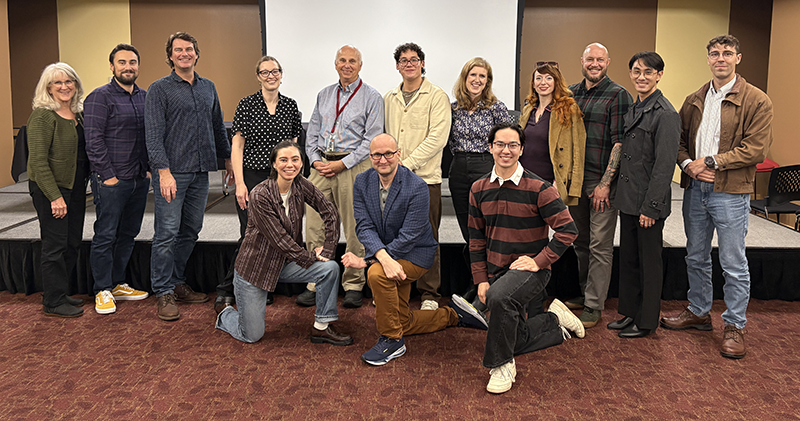 Back row: Jan Davis, Tyler van Wulven, Jeff Steele, Christine Wieseler, Lawrence Nelson, Noah Kisiel, Madeline Cronin, Kimberly Dill, Matthew Izor, Keith Dinh, Eric Johnson. Front row: Clare MacMillin, Erick Ramirez, Dorian Clay.
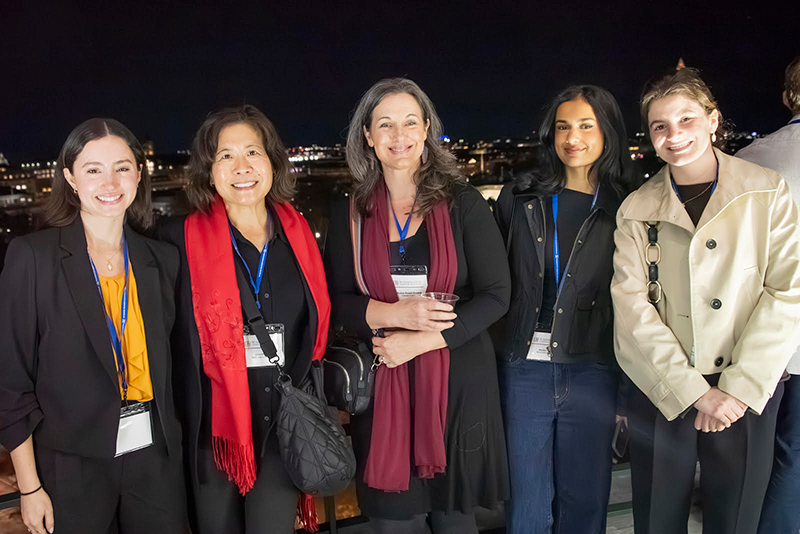 Left to Right: Maria Estrada, Elsa Chen, Heather Powell Browne, Amulya Thota, and Emma Moltyaner.
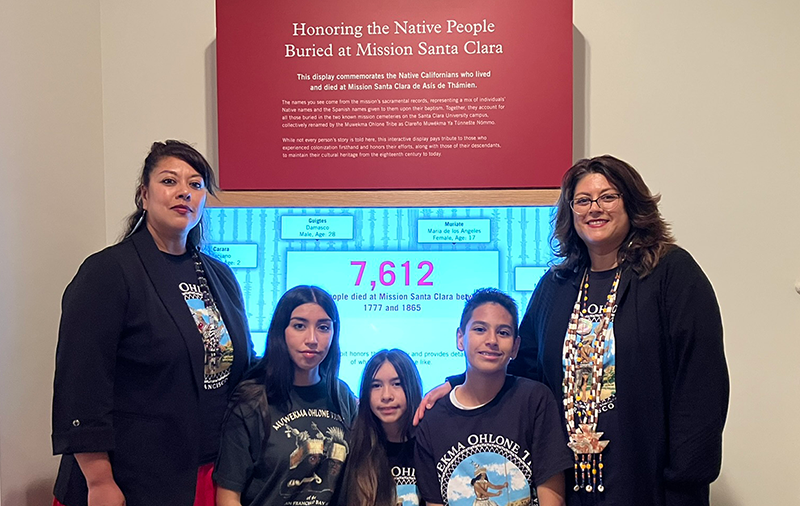 Ohlone descendents, including co-author Isabella Gomez, in front of the Native Cemetery Memorial.
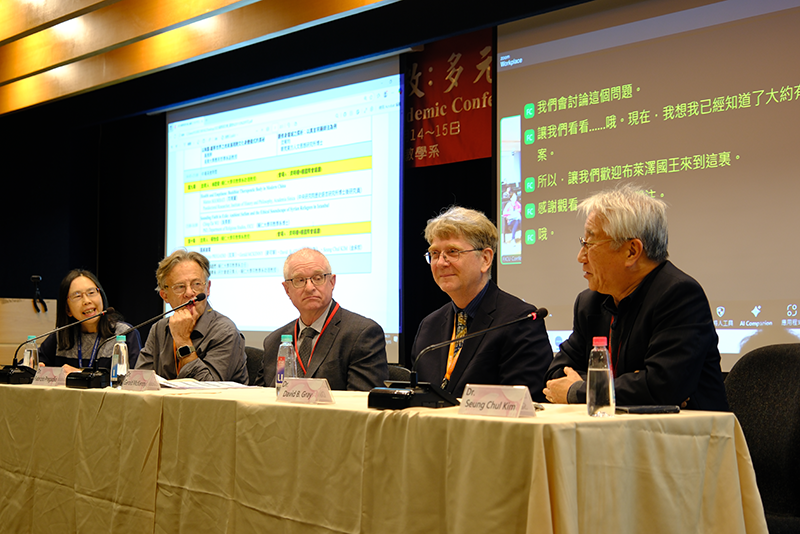 David Gray (second from right) speaking in the concluding Roundtable Forum.
 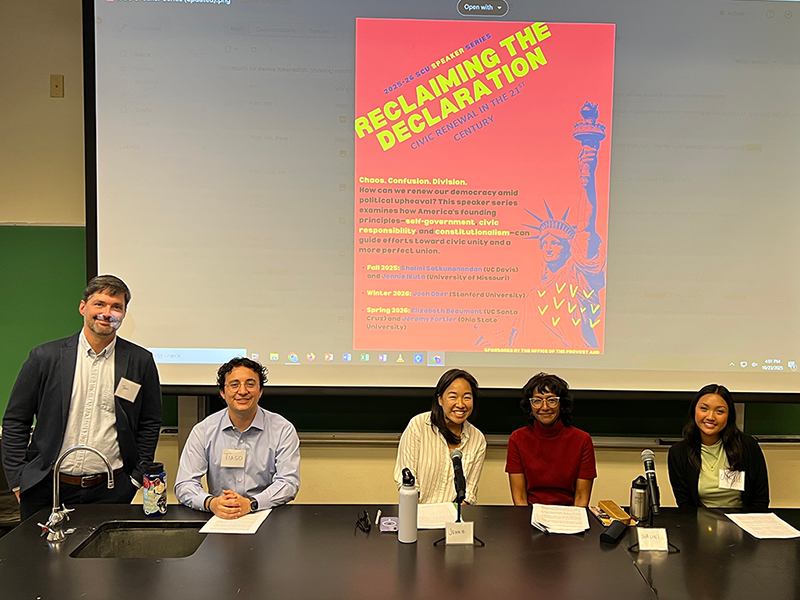 Left-Right: Tom Meredith, Tiago Moreno ’28 (Political Science, Psychology) and Camille Follante ’28 (Political Science, Gender and Sexuality Studies), Shalini Satkunanandan (UC Davis) and Jennie Ikuta (U of Missouri).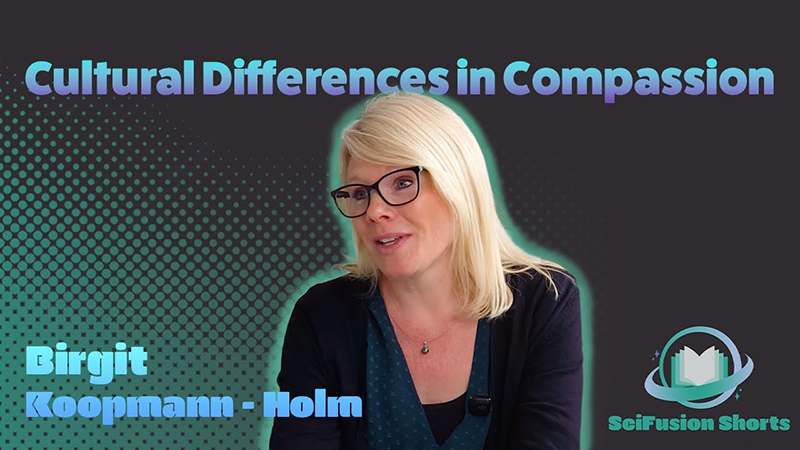
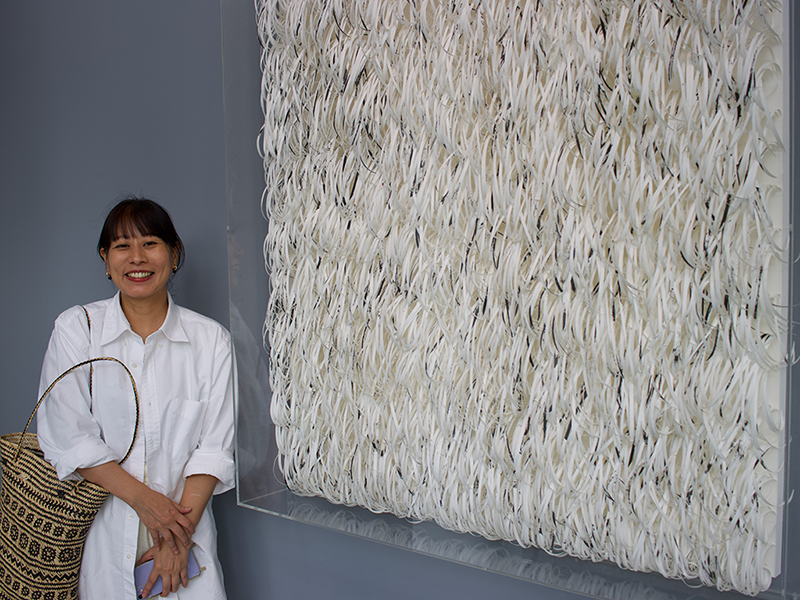 Artist Mia Liu 劉文瑄 in front of a work from her 2022 series "Aura."
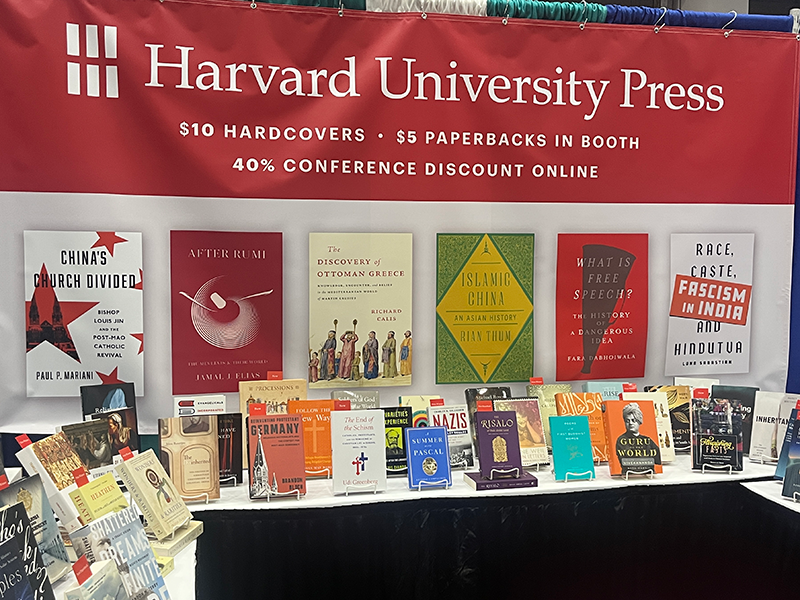 China's Church Divided was displayed at the November 2025 American Academy of Religion meeting in Boston.
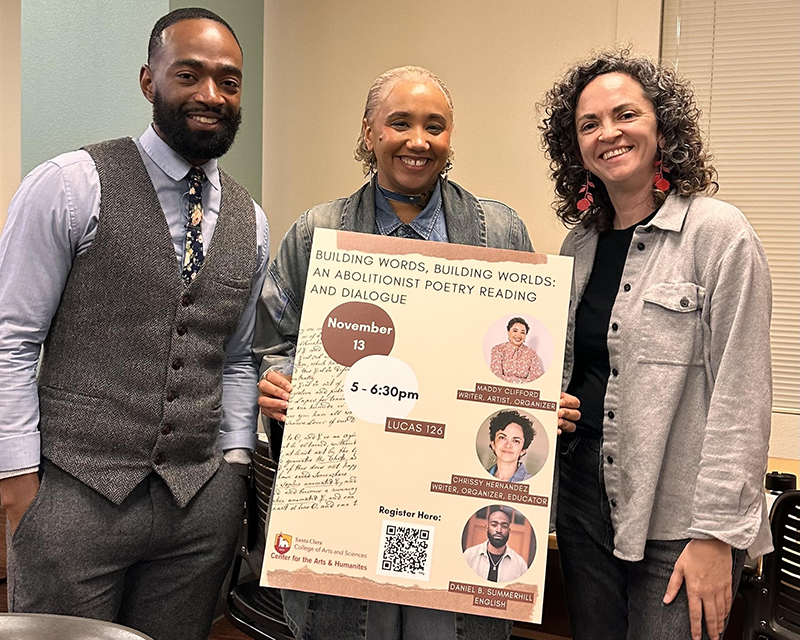 Left to right: Daniel B. Summerhill, Maddy Clifford (Oakland-based writer, artist and organizer), Chrissy Hernandez (Cal State Monterey Bay).
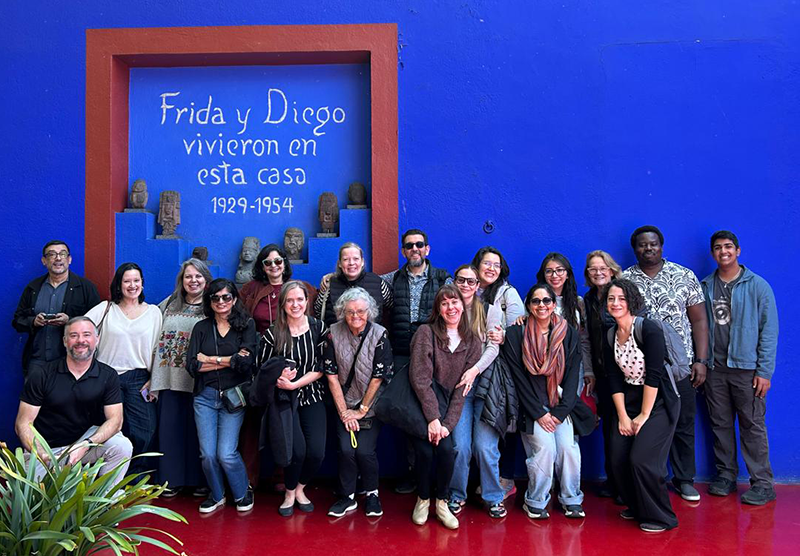 Gender studies faculty on Academic Encounter excursion to Museo Frida Kahlo, Mexico City, Mexico.
| College of Arts and Sciences |
Submit a College NoteQuestions? Contact Sandy Boyer |