| Trouble viewing this email? Read it online. |
| Winter 2026 |
Fostering community-driven research and learning for social and environmental justiceNewsFinding Hope and Resilience in Dark Times for Environmental Justice
While life has never been easy for communities burdened with environmental injustices, the past year has been an especially difficult one. At the federal level, the Environmental Protection Agency has closed its Office of Environmental Justice, canceled grants to community organizations and researchers, removed tools like EJScreen that helped identify communities facing higher pollution levels, and revoked the scientific finding that underpinned the agency’s ability to regulate greenhouse gas emissions. Many of these harmful decisions are being challenged in the courts. Environmental justice communities have lived through dark times before and will survive this historical moment as well. The items reported in this newsletter are evidence of these communities’ resilience, showing how hopeful work continues at the local, state, and international levels. This includes efforts to develop youth community organizing, strengthen climate resilience to levee failures and flooding in California and to climate-induced drought in Nicaragua, advocate for food and climate justice at the international COP30 conference in Brazil, and support small entrepreneurs’ contributions to improving the food system here in Santa Clara County. It also includes using artificial intelligence (AI) tools to improve flood risk assessment, while documenting the toll of AI-driven data centers on local water and energy systems. We continue to make our small contributions to the important work of our community partners and the Jesuit higher education network for a healthier, safer, and fairer environment for all people, and to enlist our students and colleagues in these efforts. Together, we will survive and thrive. Reflections on COP30
In November, the United Nations Framework Convention on Climate Change’s (UNFCCC) 30th Conference of the Parties (COP30) took place at the edge of the Amazon rainforest in Belém, Brazil. News stories focused on the more than 1600 fossil fuel lobbyists who descended on the conference (outnumbering every country’s delegation except for the host Brazil) and the U.S. government’s refusal to participate. Most disappointingly, the conference’s final agreement failed to follow through on commitments to transition from burning fossil fuels and to increase climate finance. With Stephen R. Gliessman, Christopher Bacon co-published a timely assessment of the conference’s outcomes for sustainable food systems, an issue that has only recently been added to the annual COP agendas. The authors found that the final COP30 agreement involved backsliding by omitting any mention of the role of “industrial agriculture, commodity-driven deforestation, and food system contribution to a third of global climate emissions.” However, they also highlight a few “seeds of possibility in several side agreements, and the power of a robust resistance.” The latter was evidenced by the estimated 70,000 people who participated in a climate justice march and in the People’s Summit that paralleled the official conference, both of which put forth an alternative agenda for the world. In an interview with RAI Internazionale Radio (Italy), Iris Stewart-Frey discussed the prospects for advancing environmental and climate research, policy, and action in California despite the U.S. administration’s non-participation in COP30. Iris noted Governor Gavin Newsom’s presence in Belém, and his emphasis on framing California’s green transition as innovative, forward-looking, and economically beneficial, and she spoke about the potential of this green transition to reduce the disproportionate impacts of pollution and climate change on vulnerable communities. The global “Jesuits for Climate Justice: Faith in Action at COP30” campaign helped focus attention on justice issues leading up to and during the conference. For more on the campaign and COP30, see the EcoJesuit website. AI and Environmental Justice
Artificial intelligence (AI) tools offer powerful new opportunities for research and learning, while also raising urgent questions about energy and water use, data transparency, ethics and policies, and environmental justice. As a handful of companies invest hundreds of billions of dollars to drive the technology forward, converting farmland and changing communities, the public is largely being left out of decisions about AI development, regulation, and resource use. In her interview with RAI Internazionale Radio, and recent panels for San Francisco Public Library’s AI Week, a California Irrigation Institute conference, and at SCU, Iris Stewart-Frey commented on the emerging benefits for environmental modeling, environmental burdens on local water and energy supplies, and lack of transparency associated with the rapid expansion of hyperscale AI data centers. Her research is showing that as of very recently, data centers in California are expanding into more socially and hydrologically vulnerable regions, and that water scarcity impacts extend beyond the footprint of any single data center into historically marginalized regions, particularly when facilities rely on imported water or shared groundwater basins. Stewart-Frey is also exploring the uses of AI for environmental justice research. In a recent article, she and colleagues Azam Abdollahi (SCU Engineering), Rocio Lilen Segura (Polytechnique Montréal), and Guillaume Veylon (INRAE) examine how AI tools and soft computing can be applied in levee research to improve flood protection. They write that climate change, aging and non-engineered infrastructure, and natural hazards are increasing the risk of levee failure – often with devastating consequences for historically marginalized communities living behind levees. The co-authors address the potential of machine learning and deep learning for anomaly detection, fuzzy logic for flood risk assessment, and probabilistic methods for failure modeling. While these approaches can improve decision-making and resilience, the authors highlight critical environmental justice concerns, including data bias, algorithmic opacity, and the social and ecological costs of energy- and resource-intensive technologies. The article concludes that advancing climate resilience requires balancing technological innovation with equity, transparency, and long-term sustainability. Strengthening Silicon Valley’s Food System in the Face of Federal Budget Cuts
Abrupt federal budget cuts and the elimination of some programs that support agroecology and value chain coordination have disrupted small-scale food producers and community stakeholders throughout the U.S. A recent article by Christopher Bacon and colleagues Susan Chen (San Jose State University), Garry Sotnik (Valley Verde), and Laura Vollmer and Lucy Diekmann (University of California Cooperative Extension) describes a local response to these challenges that emerged from a convening of regional food systems stakeholders in Silicon Valley: regional governments can continue to support entities through local food systems plans, and food system organizations can be equipped with skills to organize for local policy changes. The Initiative is also responding to current needs and contributing to efforts to build a stronger food justice movement by collaborating with our local partners to develop a South Bay Place-based Food Justice Curriculum for government and non-profit workers. In December, the Initiative partnered with the South Bay Food Justice Collaborative to hold a second curriculum development workshop. The workshop attracted 20 individuals from 9 different organizations, including UC Extension, UC Berkeley, the County of Santa Clara, Fresh Approach, and Stanford Medicine, thanks to funding from Western Sustainable Agriculture Research and Education. Christopher Bacon facilitated the workshop, and SCU students Will Jaspen (Environmental Studies and Music ‘26) and Carmel Dill-Cruz (Environmental Studies ‘26) presented their assessment of other online food systems courses. Breakout sessions gathered participants’ feedback on draft learning objectives, videos, and interview subjects for the curriculum’s online modules. As next steps, the team identified priority modules and started developing content with SCU capstone students and research assistants, recording videos and designing the course, aligned with the County’s Food System Work Plan. In February, Bacon participated in an invited discussion on food resilience, where panelists emphasized meeting immediate food needs while transitioning towards a proactive, community-designed system that integrates food into climate resilience and emergency planning. Dialogue highlighted several solutions, including strategies for organizing and consulting with residents used by LUNA and New Hope for Youth, how credit unions like Excite can provide access to capital for economic mobility and co-ops, and how access to resources shifts power in communities like East Palo Alto, where Climate Resilient Communities works closely with families to build resilience. In addition, people and institutions can adopt values-based purchasing and participate in initiatives like resilience hubs. The event was convened by the Santa Clara County Climate Collaborative’s (SC4) Equity in Community Work Group and hosted at Veggielution, which included a farm tour and a locally-sourced meal. Additional panelists included Emily Schwing (Santa Clara County Office of Sustainability and Resilience), Robin Martin (Joint Venture Food Recovery), and Shawn Gerth (Veggielution). Youth Organizing, Connected Learning, and Decolonial Psychology
Developing youth leadership has long been an important goal of environmental justice movements and Jesuit education. The Initiative’s Jesica S. Fernández, who leads our Youth and Environmental Justice program, contributed several recent publications on this topic. In an article for a special issue of the journal Psicologia Sociale, Fernández and co-author Ben Kirshner (CU Boulder), draw on evidence from the International Youth Organizing Study to discuss how “connected learning” offers a framework for designing and studying informal interest-driven learning environments that foster young people’s social and political development and collective action in the digital age. Uplifting community-based work – especially by Indigenous peoples, activists, and artists – at the intersections of environmental, health and systems change is at the heart of the recent anthology, Decolonial Psychology: Academic and Activist Perspectives (Taylor & Francis), which Jesica co-edited with Sunil Bhatia (Connecticut College, USA) and Christopher Sonn (Victoria University, Melbourne, AU). The book considers how the discipline of psychology could be transformed by embracing decolonial resistance, justice, freedom, and liberation. Centering expertise and ways of knowing from psychological research in the Global South, the book includes contributions from activists as well academics. Several chapters address issues of land, climate change, and youth climate activism – themes that were central to a virtual workshop Jesica delivered to the Urban Public Health & Psychology program at Charles R. Drew University of Medicine & Science, a Historically Black Graduate Institution. Entitled "Dreaming Otherwise: What a Decolonial Praxis Can Foster in Challenging Times," the workshop used Jesica’s reflections on her community-engaged research with youth to invite participants into a dialogue on liberation and freedom. Water Justice in California’s Central Valley and Nicaragua
Farming communities around the world face threats to their lives and livelihoods from groundwater pollution and climate change. In California, for example, no statewide enforceable limits for nitrate discharges exist, and monitoring is insufficient to understand where and when water is safe for consumption, and whether contamination levels are improving or worsening. As a result, rural, historically marginalized communities have contended with agricultural contaminants like nitrate in their drinking water for decades. Iris Stewart-Frey and SCU’s Water and Climate Justice Lab is part of a coalition that includes the Community Water Center, the California Rural Legal Assistance Inc., Natural Resources Defense Council, and others, to limit nitrogen discharges on farmlands by engaging in workshops, testimony, and public comment letters related to state regulatory processes. Stewart-Frey addresses these dangers in a recent article, co-authored with John Dialesandro (SCU Environmental Studies & Sciences) and students Samantha Lei and Lilah Foster, which continues the research team’s long-term work on nitrate contamination in drinking water wells in California’s Central Valley. The article evaluates California’s stakeholder process, known as CV-SALTS, which might serve as a model for controlling nitrate contamination elsewhere. Using Groundwater Ambient Monitoring and Assessment Program data from 2000–2023, the authors explore multiple factors that contribute to nitrate contamination and how the CV-SALTS process has addressed them. The findings suggest that while uncertainties remain about where nitrate is above safe levels, this contamination has mainly burdened environmental justice communities. In addition, severe drought conditions and the proximity of Confined Animal Feeding Operations (CAFOs) significantly elevated nitrate concentrations, but have not been monitored or considered sufficiently in the CV-SALTS process. The article develops a new data sufficiency metric to support stakeholder processes in prioritizing areas for monitoring and risk reduction, and offers policy recommendations that could be applied in California and other regions. Additionally, as global warming amplifies the frequency and intensity of extreme storms, flood risk from levee failures is increasing. In another article, Stewart-Frey and her co-authors develop a comprehensive framework that integrates principles of environmental justice and the experience of vulnerable communities struggling to adapt to a changing climate into the assessment of risks from levee failures. The framework draws on the research team’s study of the March 2023 flood in Pajaro, California. Building on a spatial analysis of geographic, historic, and socioeconomic factors as well as interviews with residents, the article illuminates how community identities shape residents’ experiences with levee failures and recovery efforts. Integrating human dignity with procedural justice and ecological approaches, the authors’ framework calls for participatory risk assessments and adaptation strategies that consider lived experiences, human dignity, historical inequities, and ecological sustainability to align approaches to climate resilience with moral commitments to equity. The co-authors represent a multidisciplinary research team, including Rocio Lilen Segura, David E. DeCosse (SCU Markkula Center for Applied Ethics), and five students from SCU’s Environmental Studies & Sciences Department and School of Engineering: Emma R. Young, Sarah T. Young, Petti Tatum, Karina M. Martin, and Anna N. Krebs. Based on this article, Stewart-Frey recently provided environmental justice training to the East Bay Regional Waterboard. Coping with climate change also requires new forecasting tools for farmers. In another long-term project, Stewart-Frey, along with Allan Báez Morales (SCU Frugal Innovation Hub), Qiuwen Li (SCU Art and Art History), Angela Musurlian (SCU Computer Engineering), and student Nicolas Gibson (Web Design & Engineering) published an article on the value of human-centered design for climate forecasting apps. The article draws on their experience of developing the NicaAgua mobile application for smallholder farmers in Nicaragua dealing with climate-induced seasonal drought, which began as a senior design project by SCU computer engineering students. Drawing on five years of iterative development with community partner CII-ASDENIC, this study introduces a human-centered design approach for the exploratory phase of digital humanitarian projects. This includes stakeholder analysis, community context overview, user and problem definition, competitive analysis, and rapid prototyping. The case underscores the importance of early stakeholder engagement and offers best practices for translating community insights into actionable, context-responsive digital solutions for underserved communities, particularly in cross-cultural and remote settings. Upcoming EventSustainability and Justice Research Symposium
The entire SCU community is invited to attend this year’s annual Sustainability and Justice Research Symposium on March 10-11. Hear from over 100 student, faculty and staff presenters as they showcase their research projects that advance the common good and protect our common home. Brief presentations and poster sessions will address a huge range of topics, including sustainable development, Indigenous environmental justice, climate, water justice, renewable energy, food security, conservation and land management, AI, education and communication for sustainability and justice, and more. See the full schedule of presentations. The symposium is co-organized by the Initiative, SCU’s Center for Sustainability, and Department of Environmental Studies and Sciences, and co-sponsored by the Sustainable Business Institute, the Division of Mission & Ministry, the Miller Center for Global Impact, and the College of Arts and Sciences. Alumni SpotlightSkyler Kriese We’re excited to welcome Skyler Kriese (class of 2020) back to the Bay Area, where she recently joined the Planning Department for the County of Santa Cruz. At SCU, Skyler completed the Environmental Studies major, competed as a Division I athlete on the Women’s Rowing Team, and joined the student Labor Action Committee, ENACT (Environmental Action Santa Clara), and the Food Recovery Network. Skyler also discovered her passion for environmental justice and community-engaged research at SCU. As a research assistant with Christopher Bacon, she co-authored a journal article on diversified farming, food security, and gender among Nicaragua’s smallholder coffee cooperatives. She researched and wrote case studies for Chad Raphael’s co-edited book on community-engaged research for environmental justice. As a Global Social Benefit Fellow with SCU’s Miller Center, Skyler conducted evaluation research in Kenya for LivelyHoods, which provides training and job opportunities to unemployed youth and women. After graduation, Skyler joined Butte County Development Services as an Americorp CivicSpark Resilience Fellow, where she facilitated community workshops and conducted research to support the development of the County’s Climate Action Plan and the Environmental Justice Element of the County’s General Plan. Skyler went on to earn her Masters from University of Michigan’s School for Environment and Sustainability, working with Professor Kyle Whyte, who first taught her in a course on Indigenous Environmental Justice as a visiting professor at SCU. At Michigan, Skyler was Co-Principal Investigator on a project that developed an environmental justice screening tool and community resilience plan for southwest Detroit, Michigan’s most polluted zipcode, for the state’s Department of Environment, Great Lakes, and Energy. She wrote research grant proposals, interviewed community residents, created GIS maps and a StoryMap, and co-authored and presented a final report to academic and government agencies. The final report of her team’s master’s project will be published as an article in the journal Environmental Justice in 2026. Skyler also worked with We the People of Detroit (WPD), a grassroots organization that advocates for the human right to water, which she met through her participation in the Yale Environmental Fellows Program. Skyler joined WPD’s Community Research Collective to help manage a project to address water inequities led by Stanford Impact Labs. She trained youth leaders to conduct door-to-door water testing and developed findings to support local and national advocacy efforts for improved water quality and infrastructure. Reflecting on her work since graduating from SCU, Skyler writes:
We’re deeply impressed with what Skyler has contributed to environmental justice and we look forward to reconnecting with her now that she’s returned to the Bay Area. Partner SpotlightsEly’s Bakery From home-based cooks to food truck owners and co-op leaders, small entrepreneurs play a vital role in shaping a more just and resilient food system in Santa Clara County. Supporting these small businesses means investing in community wealth, cultural diversity, and economic opportunity. The Initiative’s Food and Climate Justice program is helping to remove barriers, build shared infrastructure, and foster networks that help local food businesses grow and thrive. Ely’s Bakery is one of these food entrepreneurs. Founder Eleazar Flores Gutierrez is a baker and educator from the Nahualt Indigenous culture in Mexico. Ely explains that “our bakery started off as a dream. I started making cakes for my kids' birthdays as I really love doing things for them that will live in their memories.” But her dream was also “to make known our traditional breads with the flavor that characterizes the Huasteca area of the State of Hidalgo.” Today, the bakery offers a full range of cakes, cupcakes, empanadas, breads, and pastes, including vegan, vegetarian, and gluten free versions, with all natural ingredients, and no added preservatives or artificial colors. Since 2023 when she launched her business, Ely has partnered with Veggielution, who assisted her to gain both her Food Handler certification and to help formalize her business as a Microenterprise Home Kitchen Operations (MEHKO). In January, twenty students in Chris Bacon's Environmental Studies capstone class, and several research assistants from the Food Justice Program and Bacon’s ACRAF Lab, gathered at SCU’s Forge garden to learn from Ely about ancestral vegan tamales from La Huasteca. Ely guided the students to prepare these special tamales, which her Indigenous community uses to celebrate seven days after a new baby is born. She demonstrated how slow-roasted sesame and pepper-based salsa, combined with fresh cilantro, squash, and cooked beans, is wrapped in a corn masa tamale and in banana leaves, then softened over the fire. Students learned that many original Mexican recipes are vegan, even if they are not called that in Mexico. Later, a capstone student team interviewed Ely as part of an educational video they are producing about diverse and resilient food economies in the South San Francisco Bay Area. We’re grateful to work with community partners like Ely and Veggielution, who are nurturing a healthier and more vibrant food system in the South Bay Area. California Rural Legal Assistance, Inc. - Salinas Office
Produce grown year-round in California’s Salinas Valley comes at a cost. For decades the groundwater and environment of farmworker communities have been contaminated with agricultural contaminants. Grassroots leaders are central to building healthy and equitable communities, and the California Rural Legal Assistance, Inc. (CRLA) is working with residents on the frontlines of exposure to environmental harms across California’s Central Valley and Central Coast. Through its Unincorporated Community Justice Program (UCJP), CRLA advances environmental justice through community lawyering, education, policy advocacy, leadership development, and strategic litigation. The UCJP partners with Central Coast farmworking communities priced out of the legal services industry to address unsafe drinking water, pesticide exposure, and inequitable housing decisions. The program’s work includes litigation to reinstate science-based limits on fertilizer and pesticide discharge into drinking water sources, reducing exposure to toxic fumigants, as well as advocacy to ensure counties prioritize disadvantaged unincorporated communities in housing policy decisions. Elias Rodriguez (SCU Law School ‘21), a staff attorney at CRLA, co-leads the work of the program for the Salinas office. CRLA’s impact is evident in San Lucas, where residents endured more than a decade without safe drinking water due to nitrate and metal contamination. In 2024, CRLA helped residents from Misión San Lucas to advocate for a long-term, affordable solution. Through legal and technical support, CRLA assisted the community in evaluating options and engaging with the local water district, which ultimately voted to pursue a comprehensive system transition plan. CRLA continues to support advocacy and education toward implementation and funding efforts. The Environmental Justice & the Common Good Initiative has collaborated with the Salinas Office in multiple ways. A joint Rose Foundation grant tests domestic wells of residents for nitrates and heavy metals. Seven students working with Iris Stewart-Frey and Jake Dialesandro in the Water and Climate Justice Lab are involved in community outreach, well sampling, and analyzing samples in SCU labs. Last year, CRLA supported outreach and focus groups in the Pajaro community for a project that examined disparate vulnerability to levee failures and flooding. We continue to collaborate on advocacy processes to reduce nitrate in drinking water, such as CV-SALTS, Agricultural Order 4.0, an Expert Panel convened by the State Waterboard, by giving expert testimony, providing public comments, and hosting meetings at SCU that bring together environmental justice groups on clean water advocacy. We are tremendously grateful for our partnership with CRLA and for their principled and effective work on advancing environmental justice.
Check us out on our social media channels:
|
 Image credit:
  Image credit:
  Image credit:
  Image credit:
 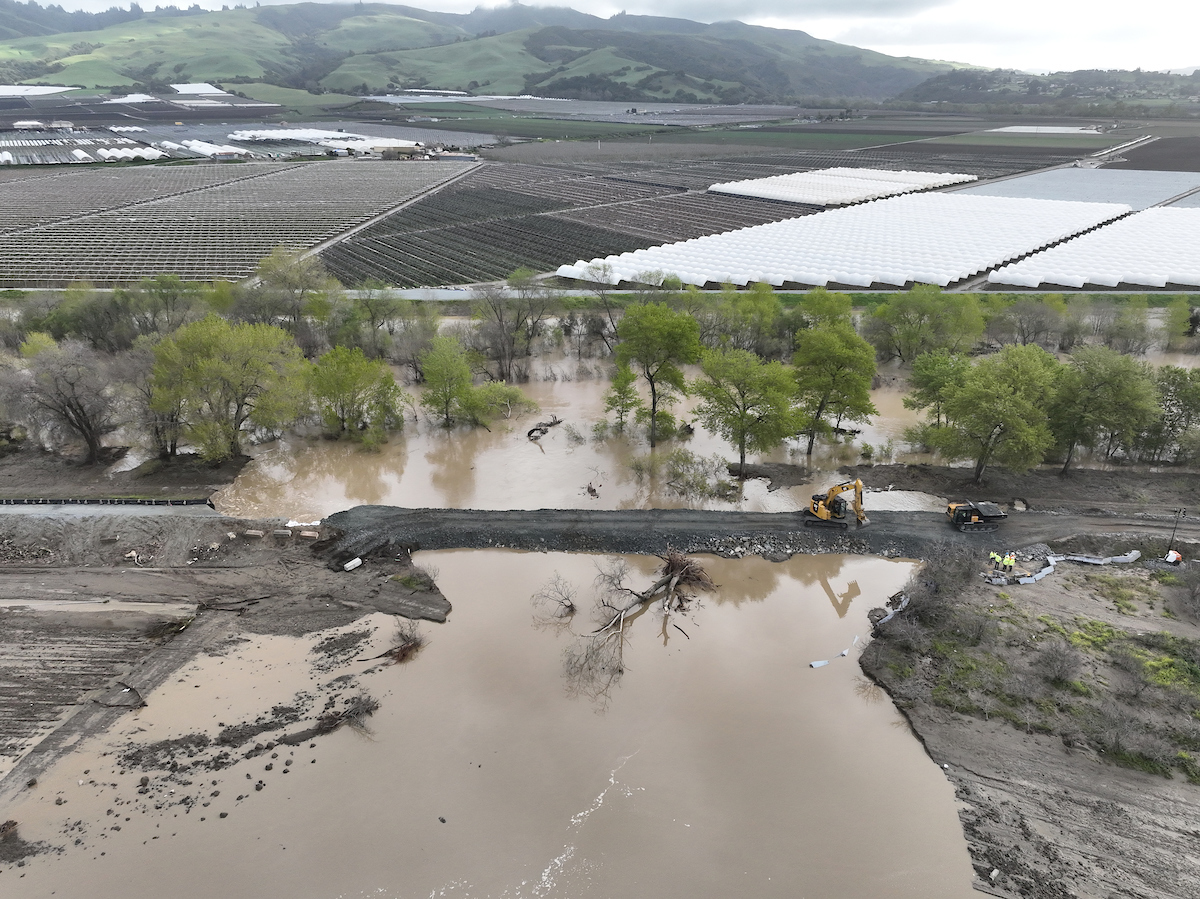 Image credit:
 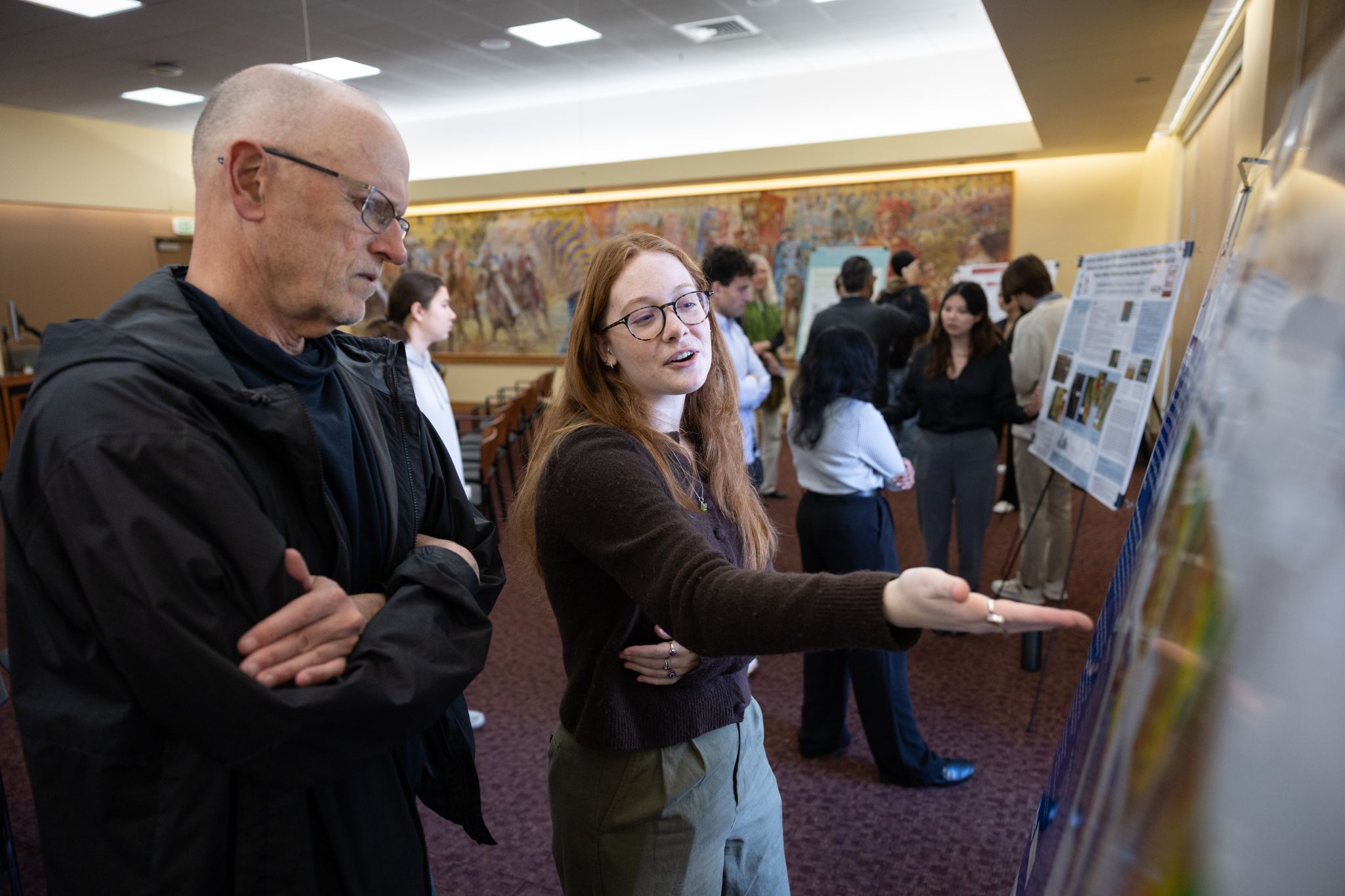 Image credit:
 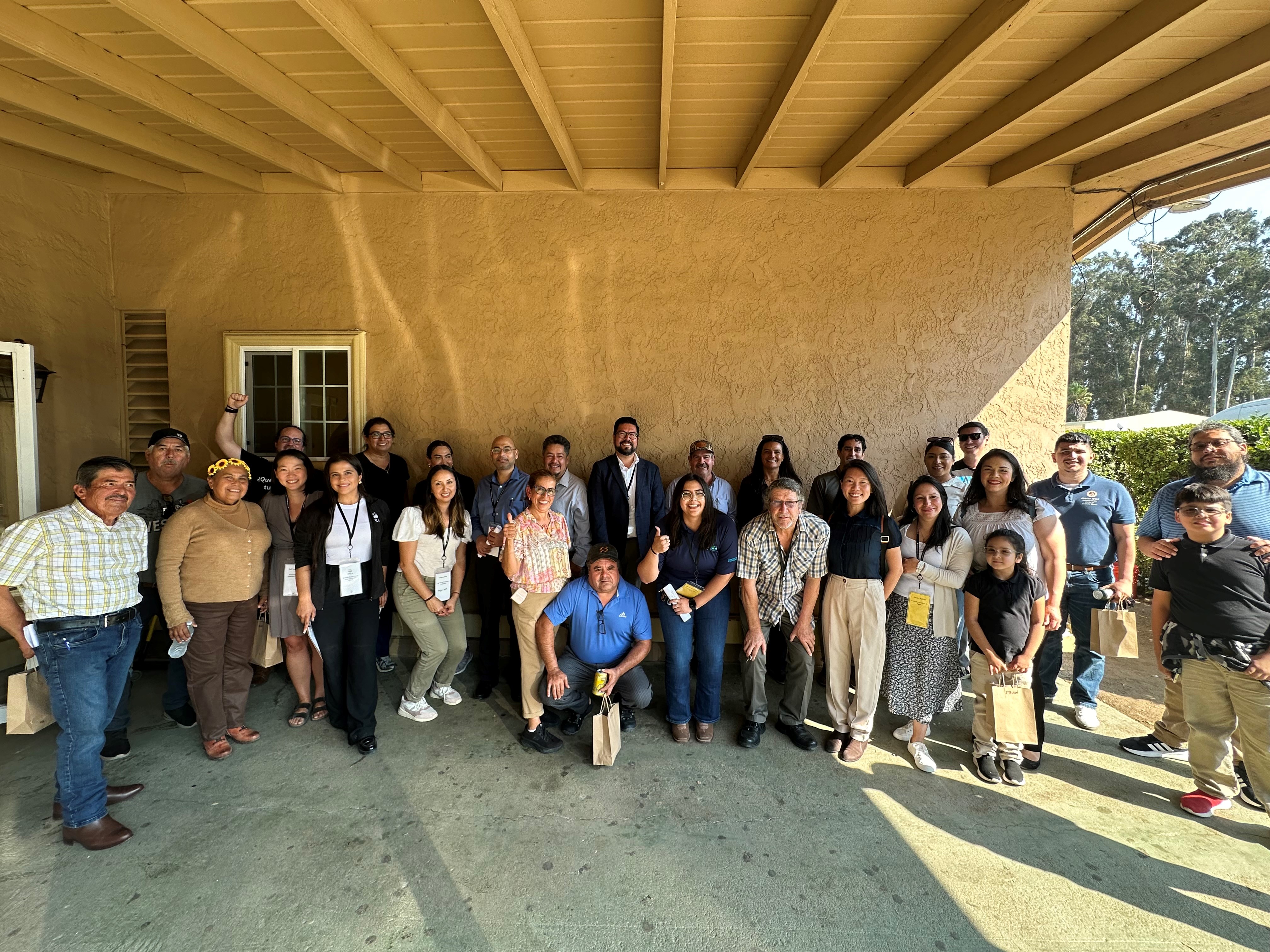 Image credit:


| Home | Privacy Policy | Unsubscribe |
|
Environmental Justice and the Common Good Initiative Santa Clara University 500 El Camino Real Santa Clara, CA 95053 environmentaljustice@scu.edu |