| Trouble viewing this email? Read it online. |
| October 1, 2026 |
Dear Friends, Some of the most powerful lessons in law school are learned outside of the classroom. When our students have the opportunity to sit across from a client for the first time or address a federal appellate panel or help a business owner navigate contracts, they develop tangible lawyering skills while serving real people. This is the important experience our Clinics provide with the support of faculty, supervising attorneys, volunteers and staff members. Our students are learning to interview clients, analyze complex problems, build arguments, and exercise the judgment that no casebook can fully teach. Just as importantly, they learn that the law is a tool for service. As you’ll read below, the breadth of what our Clinical students are accomplishing is awe-inspiring...Read More Entrepreneurs’ Law ClinicFLEX option makes transactional law experience accessible to more students
For a second year, the Entrepreneurs’ Law Clinic (ELC) is offering its program in the FLEX format, a hybrid experience with a flexible schedule that allows students to participate while maintaining their personal and professional commitments. Many of the students in the FLEX section are already working professionals, which means they come to ELC with a wealth of experience in not only the logistics of working with clients, but also the gravity of maintaining a good relationship and communications with their clients. They may also be more comfortable with transactional law research, finding appropriate templates and guides, and have an understanding of their client's business model and where it might fit into the competitive ecosystem. This can help in areas such as pinpointing the appropriate areas of law to study and finding templates that are more relevant. Many students also have strong project management skills which help them stay on track with all of the various aspects of working with real clients. 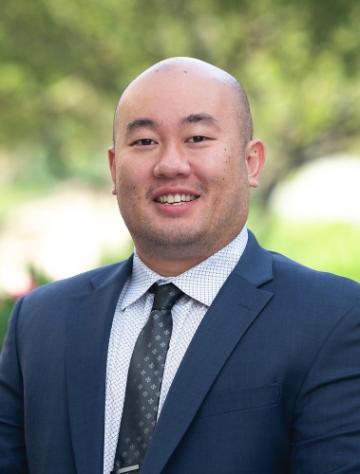
Andy Le, 2L says, “My background in social work and my current work in policy have shaped my approach to my ELC experience more than I initially expected. In social work, I learned very quickly that understanding a client requires more than simply identifying the problem they present. You have to listen carefully, ask questions, understand the broader circumstances affecting them, and recognize that what may seem like the most obvious solution from the professional’s perspective may not be the best or most realistic for the client. I find myself bringing that same mindset to ELC. One of the strongest parallels for me is the importance of meeting clients where they are. As a social worker, I often worked with people navigating unfamiliar, complicated, and sometimes intimidating systems. My role was not simply to explain the system but to help them understand their options and determine what made sense given their individual circumstances and goals. I see a similar dynamic with startup clients. Entrepreneurs may be experts in their businesses, products, or industries, but they may not understand the legal framework surrounding what they are building. That has reminded me that my role is not to overwhelm a client with every legal issue I can identify. Instead, I need to understand what they are trying to accomplish, explain the relevant legal considerations in accessible language, and help develop a solution that works for their business.” International Human Rights ClinicIHRC partnership with Santa Clara County to combat homelessness takes the world stage
This month, International Human Rights Clinic (IHRC) students submitted a report to the United Nations to highlight IHRC’s effort to support Santa Clara County in applying its groundbreaking gender equity law to women and girls experiencing homelessness. The United Nations Special Rapporteur (or independent expert) on the right to adequate housing is preparing a report to the UN Human Rights Council that will provide guidance on the ways that local governments can implement the right to housing, and the IHRC’s report shows how local measures to implement the international law framework on gender equity can strengthen such efforts. The IHRC report particularly commends the County’s commitment to including community voices, including women with lived experience, in the policymaking process. IHRC aims to encourage other local governments to follow Santa Clara County’s example. The University of Miami’s Human Rights Clinic will include IHRC’s work in a forthcoming best practices guide. Northern California Innocence ProjectNCIP welcomes new cohort and leadership
The Northern California Innocence Project (NCIP) welcomed its new class this fall and invited clients Joe Diaz, Ronnie Sandoval, Miguel Solorio, Anthony Penton, and Zavion Johnson to share their experiences with incarceration and the justice system as part of a special panel event. NCIP is also excited to announce the arrival of Megan Crane as its newest Legal Director and Clinical Professor. Professor Crane is charged with leading NCIP’s post-conviction innocence litigation efforts, supervising its staff attorneys, and teaching its law clinic. Prior to joining Santa Clara Law, Professor Crane taught a Wrongful Conviction Clinic at Washington University School of Law and at Northwestern Pritzker School of Law. She has been an active litigator for two decades, focusing on post-conviction defense in cases of wrongful conviction, the death penalty, and youth sentenced to extreme sentencing, as well as civil rights litigation aimed at reform of the criminal legal system and mass incarceration. Katharine & George Alexander Community Law CenterProfessor Lynette Parker to be honored at Annual Celebration
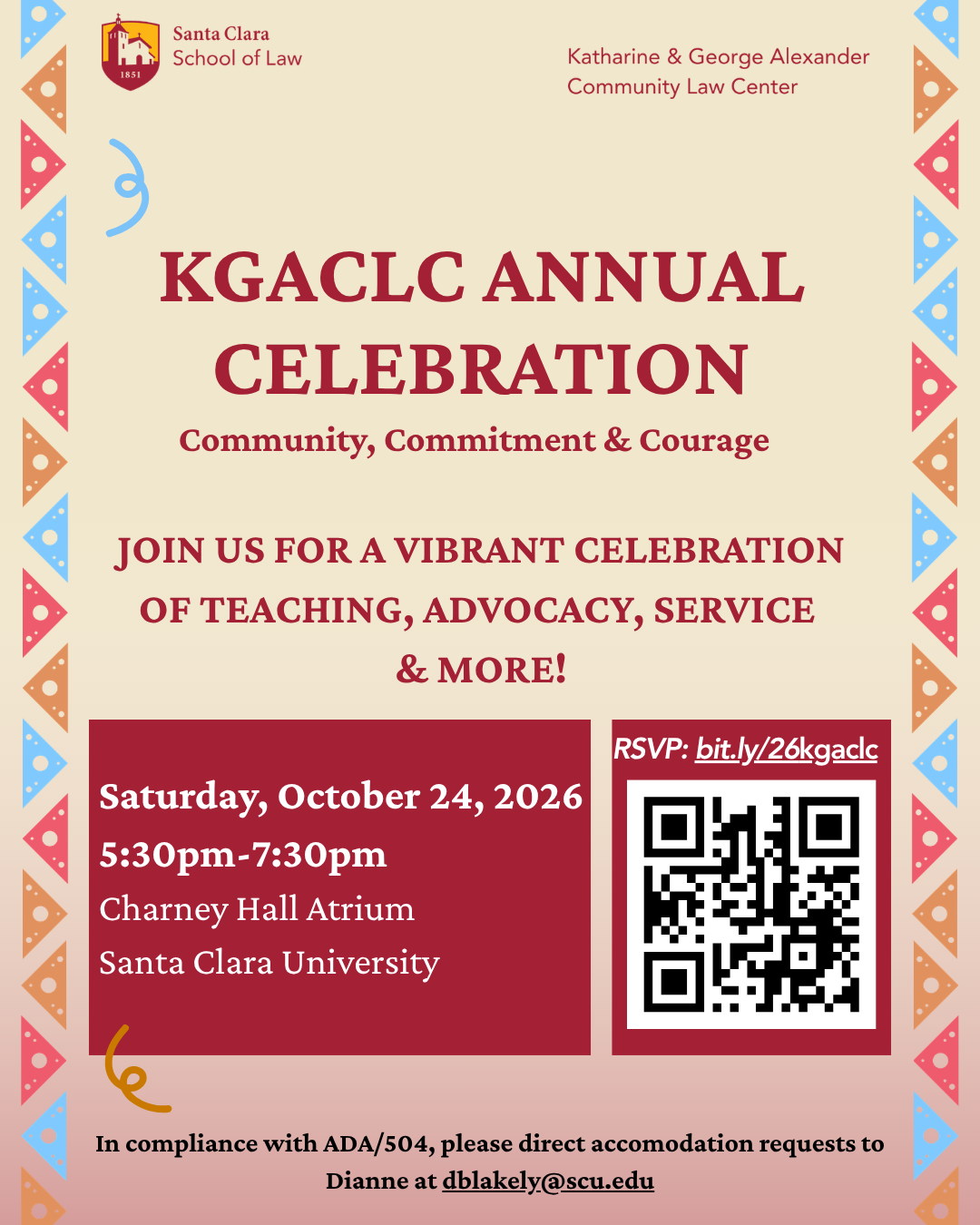
The Katharine & George Alexander Law Center (KGACLC) is saying farewell to Professor Lynette Parker as she retires after 26 years of teaching, advocacy, and service. Professor Parker educated law students and represented asylum seekers, minors, and victims of crime and of trafficking in persons for over a quarter of a century, with extraordinary skill, compassion, and dedication. Through that work, she has provided life-changing services to noncitizens seeking safety in this country, while inspiring countless students, colleagues, and immigrant advocates across the United States and abroad. If Professor Parker or her work has touched your life, please come out to honor her legacy and show love for all she has done on Saturday, October 24th at 5:30 pm for the Annual Community, Commitment & Courage Celebration. Thank you to friends and supporters for all you do to keep KGACLC strong! Let's celebrate! Email dblakely@scu.edu to donate or sponsor or if you have any questions about the event. Bates Mediation ClinicConflict resolution program expands through Daley Center endowment
In July 2026, Dorian Daley, J.D. '86 made a transformative gift to Santa Clara Law to create a state-of-the-art Center for Conflict Resolution. Santa Clara Law has been implementing conflict resolution programming and initiatives since 2017 through the vision and generosity of John Bates, Jr., J.D. ’74, a preeminent mediator. Academic offerings include courses covering negotiation, mediation, arbitration, restorative justice and online conflict resolution, with an emphasis on the development of exceptional interviewing and counseling skills. It also provides a variety of experiential learning opportunities such as the Bates Mediation Clinic. The Daley Center will support impactful research, student competitions, workshops, and conferences, as well as professional development opportunities for lawyers and members of the greater Silicon Valley professional community. Immigration Appellate Practice ClinicStudent advocates free Ugandan client from ICE detention
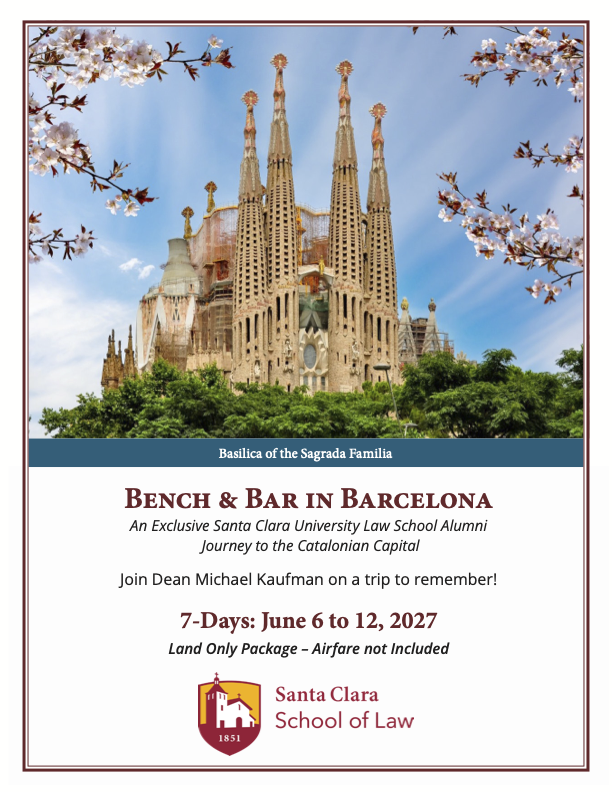
The Immigration Appellate Practice Clinic (IAPC) has had a busy summer and fall. During the summer, it wrote five reply briefs, and it is preparing for three oral arguments in November. In addition, IAPC had a long-hoped-for successful resolution for one of its clients. The client, who was born in a refugee camp in Uganda, had been detained by ICE for three years. IAPC represented him before the Board of Immigration Appeals and before the U.S. Court of Appeals for the Ninth Circuit, which held that he was not removable. On remand, the Board agreed and terminated his removal proceedings, freeing him from detention and returning him to his prior valid permanent resident status. IAPC is happy to report that he is now back at home with his family, thanks to the hard work of its student advocates. EventsClick the flyer to RSVP!Summer 2027 Alumni Trip to Spain |
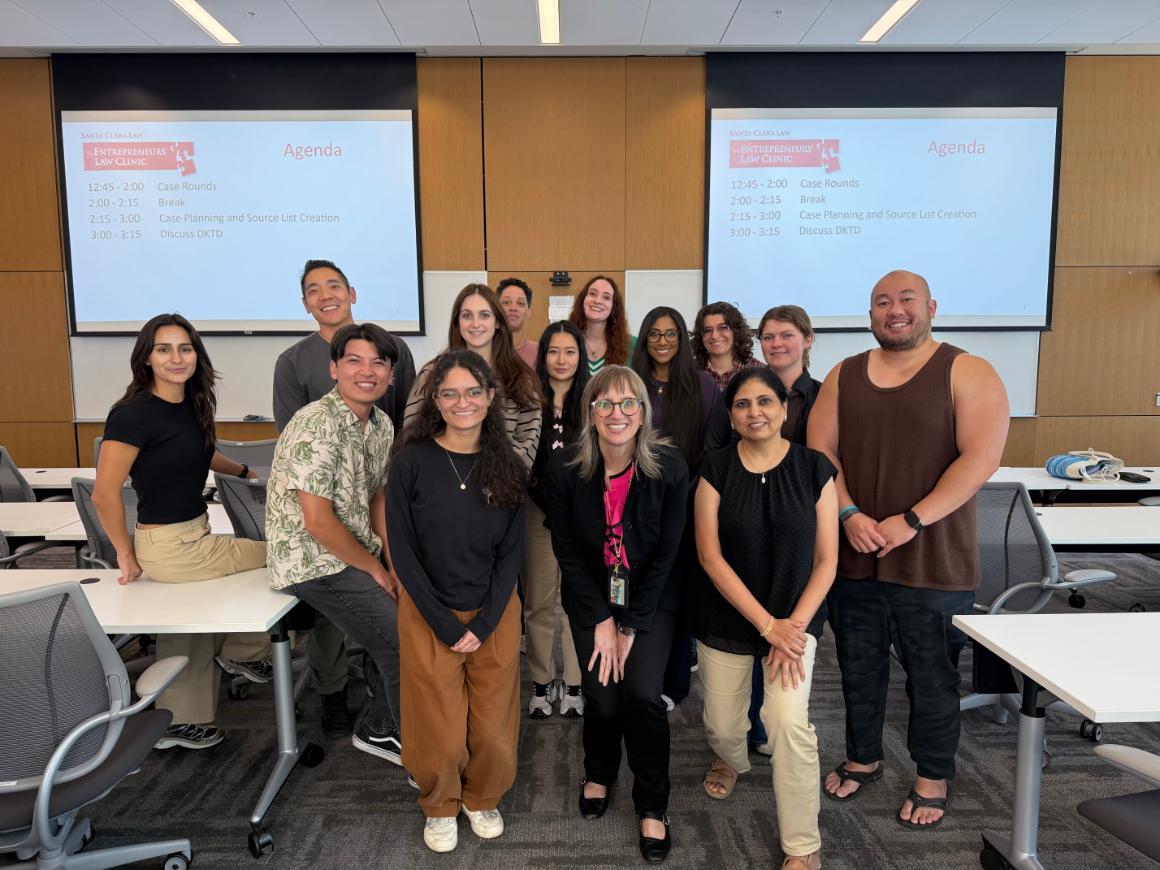 Fall 2026 Flex section poses with ELC Director Laura Norris
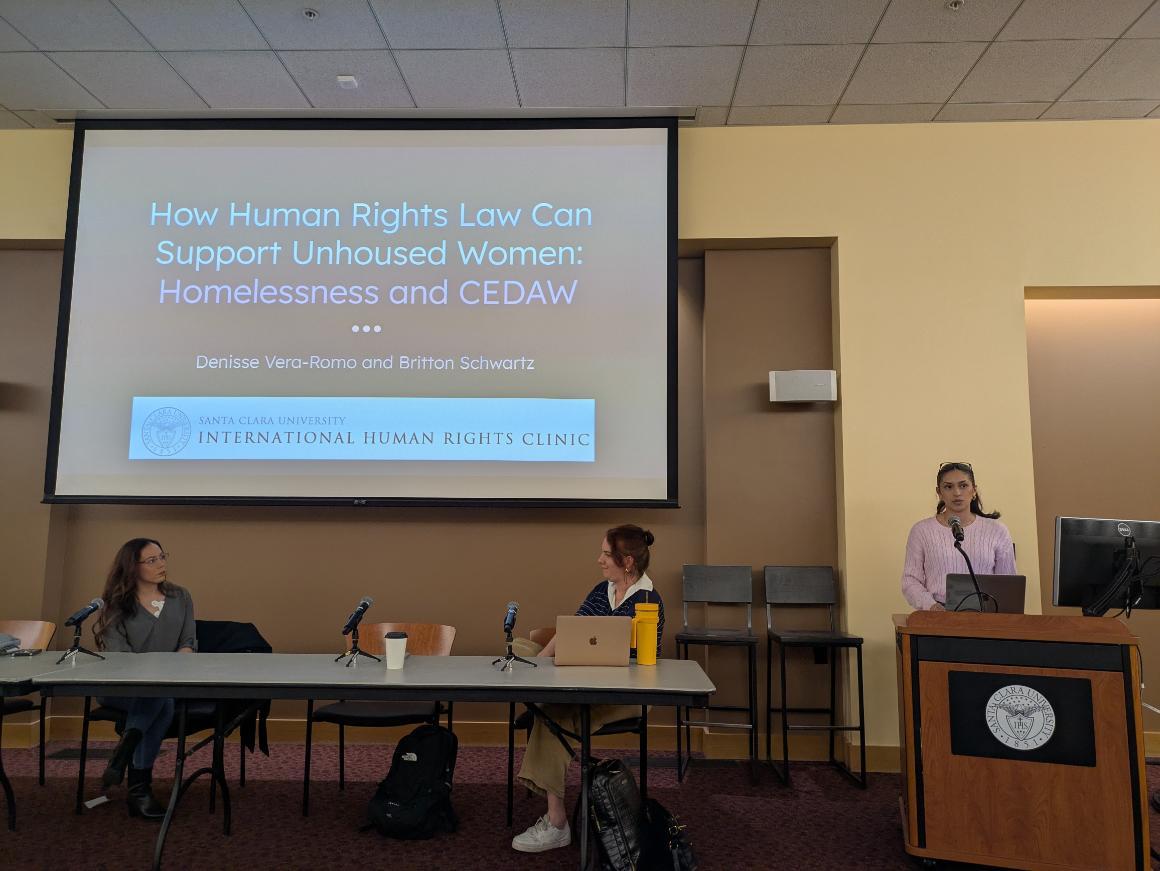 Denisse Vera-Romo, J.D. '26 presents on women and homelessness
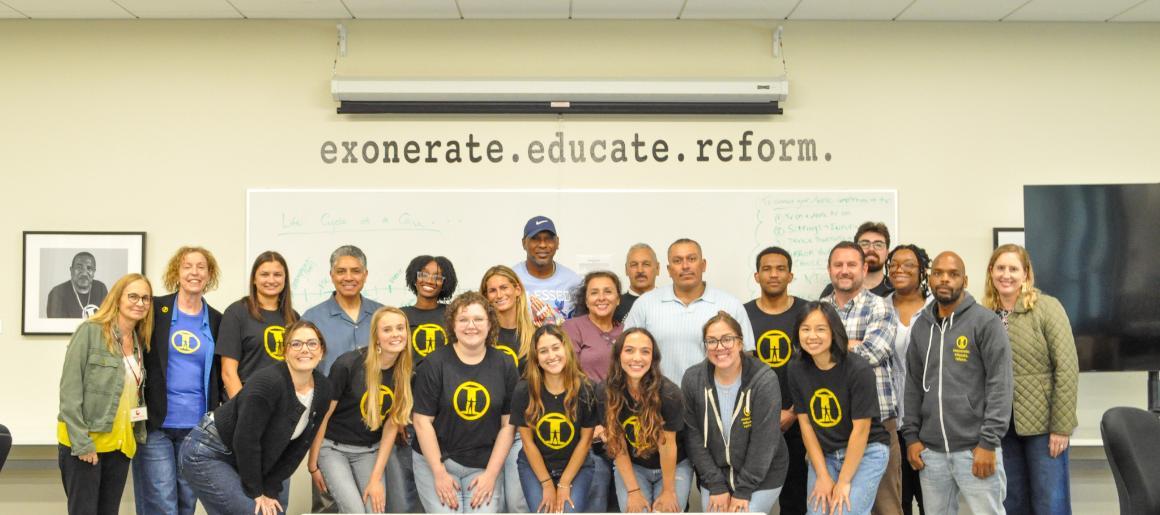 NCIP clients and exonerees pose with Clinic students and leaders
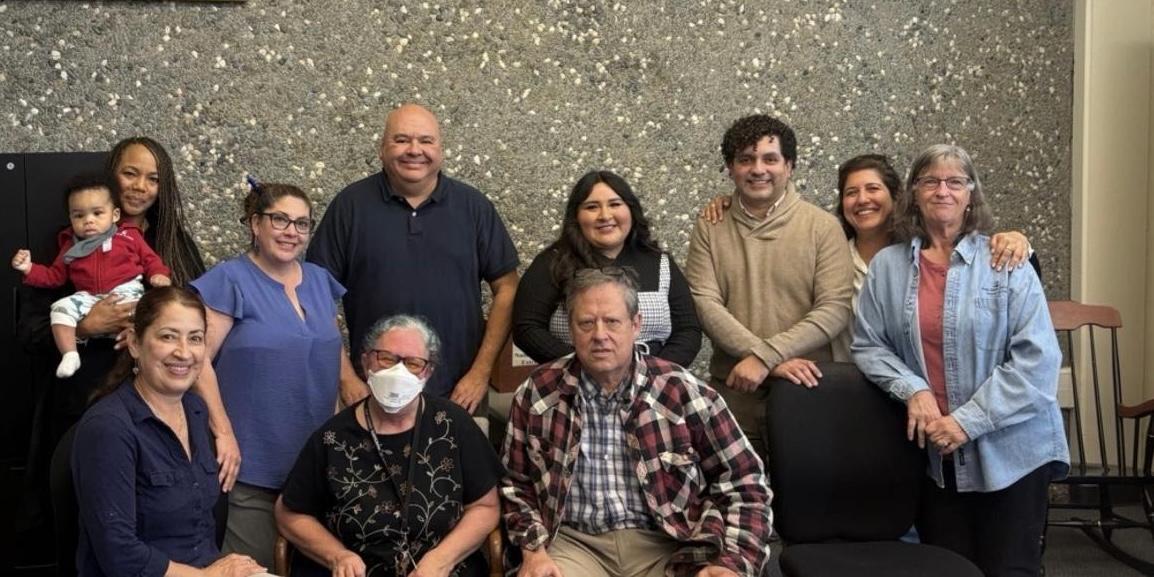 KGACLC staff with Professor Lynette Parker
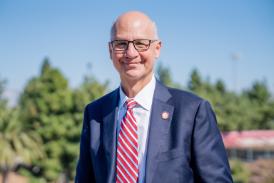
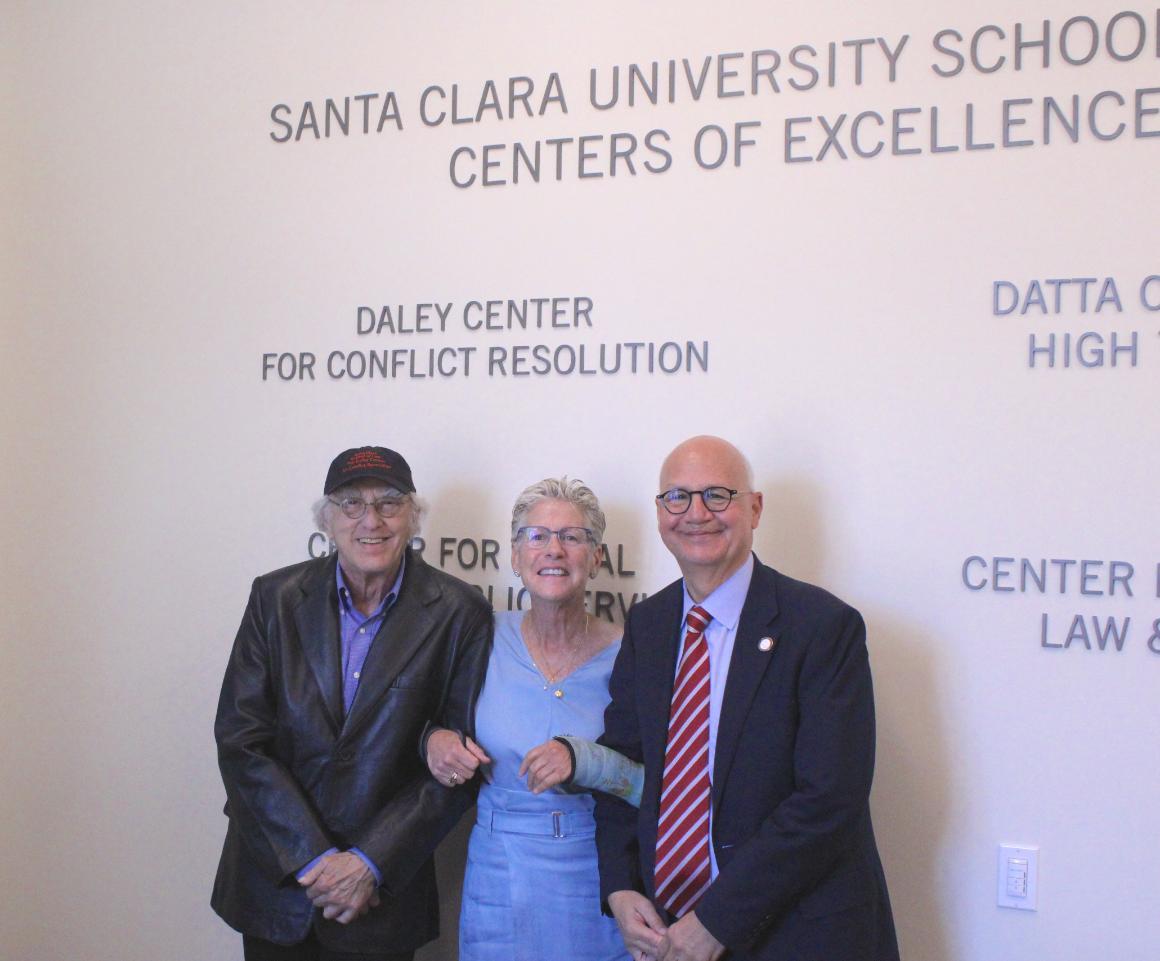 Howard Charney, Dorian Daley, and Dean Michael Kaufman
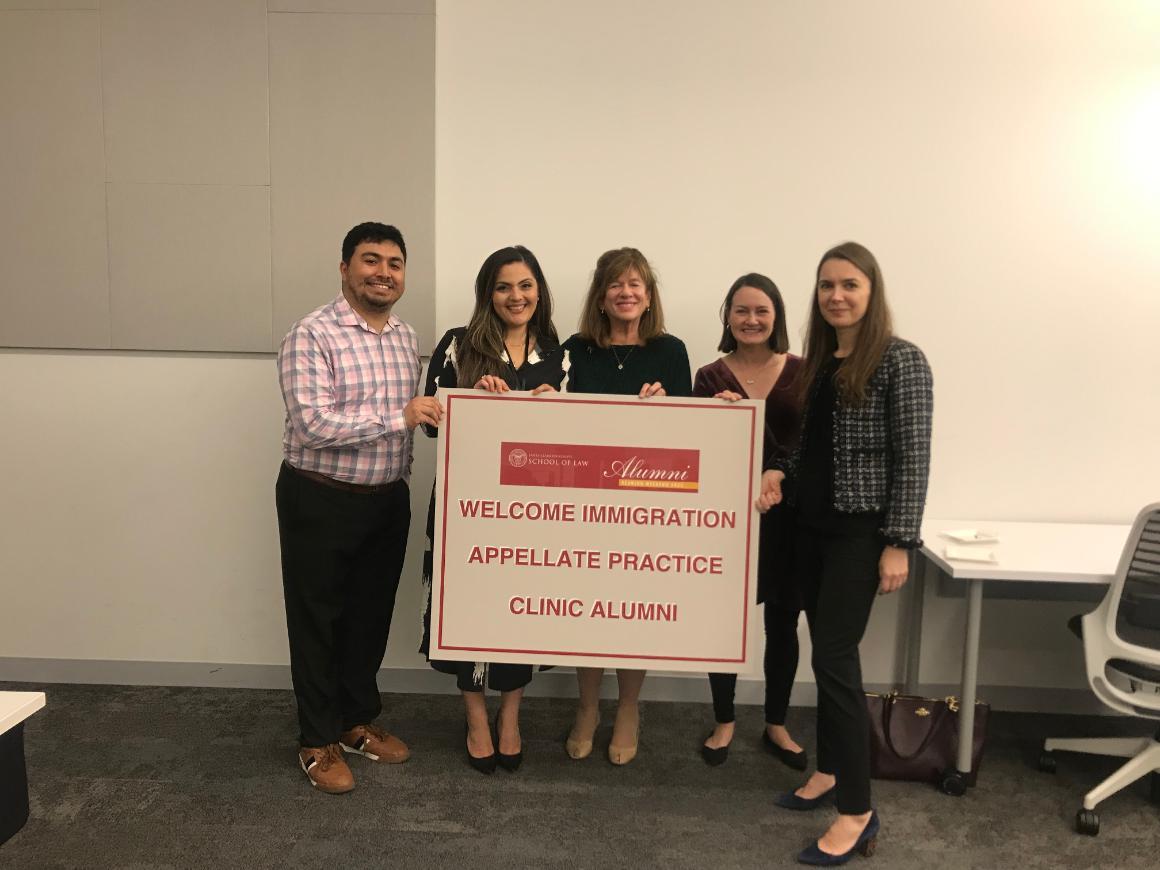 IAPC Alumni with Professor Evangeline Abriel
| Santa Clara University School of Law | Privacy Policy | Unsubscribe |
|
Santa Clara University School of Law |