| Trouble viewing this email? Read it online. |
| June 10, 2026 |
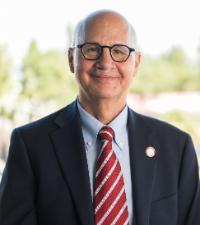
Dear Friends, As we conclude another remarkable academic year at Santa Clara Law, I am filled with gratitude and pride for the extraordinary work accomplished by our students, faculty, and staff-educators. Among this year's many achievements, the impact of our clinical programs stands out as a powerful reflection of who we are as a law school and the values we strive to uphold. Throughout the year, our clinics devoted thousands of hours to serving individuals, families, and communities at home and around the world. Through their dedication and hard work, our students helped expand access to justice, addressed pressing legal needs, and made a meaningful difference in the lives of those they served. At the same time, they gained invaluable hands-on experience, developing the skills, judgment, and professionalism that will serve them throughout their legal careers. The work of our clinics embodies the culture of service that is foundational to Santa Clara Law. We believe that legal education is not only about understanding the law, but also about using that knowledge to strengthen communities and improve lives. Our students' commitment to public service demonstrates that this tradition remains strong and continues to inspire the next generation of legal leaders. As we celebrate the accomplishments of this year, we also look ahead with optimism and excitement. The challenges facing our communities create opportunities for our students and faculty to continue making a positive impact, and we are eager to build on this momentum in the year ahead. We invite all of you to join us in advancing this important work. Your support helps ensure that our clinics can continue providing transformative educational experiences while delivering vital legal services to those who need them most. With warm regards and tremendous gratitude,
Michael J. Kaufman Bates Mediation Clinic The first mediation clinic class graduates
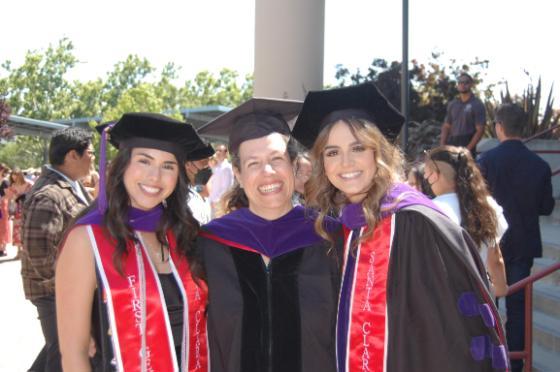
This May, the class of 2026 celebrated the end of their law school journeys at the annual Commencement Ceremony. Among them were students who were part of the very first mediation clinic class, offered in Fall 2024. Now known as the Bates Mediation Clinic, it provides Santa Clara Law students with hands-on experience in Alternative Dispute Resolution (ADR) and continues to grow and thrive. The Clinic saw a 39-spot jump in the U.S. News & World Report rankings as part of the Conflict Resolution Program. Thanks to students contributing over 700 hours in the 2025-2026 academic year, it mediated 51 cases (an 89% increase from last year) and settled 21. This year also marked the launch of the “Advanced Mediation” clinic, which lets students return to mediate additional cases for unrepresented litigants. The students did not just excel in the quantity of cases, but also in the quality of their service. Clients noted their professionalism, thoughtfulness, and negotiation skills as highlights. “The mediator did a great job, she understood the facts and was able to see the advantages and disadvantages of both sides. She did fantastic!” remarked one client. “The mediator tried their best to understand and resolve the issue, was patient throughout the negotiation, and listened to each and every claim,” said another client. International Human Rights Clinic (IHRC) 4000 hours of advocacy for justice around the world
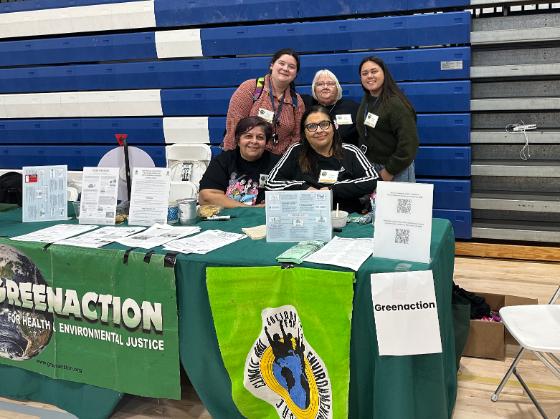 IHRC students Alex Namson and Morgan Tade with Avenal community leaders Dalila Barajas, Kelly Guzman, and Idy Barrera Torres
Some highlights include:
Katharine & George Alexander Community Law Center (KGACLC) KGACLC keeps going!
While the past year brought unprecedented challenges in legal services, KGACLC remained steadfast in upholding its mission of teaching, advocacy, and service. It has been a truly banner academic year, highlighted by the successful addition of two new practice areas to even better serve its law students and clients. Joining its longstanding Consumer Law, Immigration, and Workers' Rights practice areas are the Pro Bono Program and the Unhoused Advocacy Clinic—both of which have already driven measurable results and high satisfaction levels. This year, KGACLC achieved a staggering 100% increase in its community education and outreach while welcoming more volunteer attorneys to its team than ever. This incredible growth ensures it can continue providing deeply impactful, expanded legal services to our community moving forward. Last week's Advisory Board Retreat's "Uncapped Innovation Brainstorm" was insightful and tapped into the Jesuit values that guide KGACLC and inform its work. The future holds great promise and the team is excited to share more about what's next. KGACLC is ever grateful for the privilege of using its legal knowledge to be in service of others. Join our efforts! Northern California Innocence Project (NCIP) Three NCIP students propose bold solutions to fix the status quo
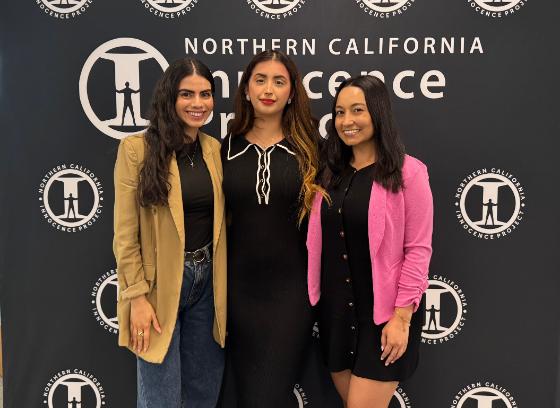
The American criminal legal system is often compromised by systemic gaps in equity, transparency, accessibility, and resources. As one of their clinic projects, NCIP students presented potential reforms to advisors which aimed at addressing the root causes of wrongful conviction from a policy standpoint. The policy proposal by Julia Sandoval, J.D. ’26 tackled the gap between existing disclosure requirements and the reality of undocumented investigative pivots. The proposal by Cassandra Armenta, J.D. ’26 focused on the high risk of misunderstanding, coercion, and unreliable confessions in custodial interrogations of individuals with limited English proficiency. Finally, the proposal by Rianna Surdam, J.D. ’26 provided a solution for overloaded attorneys who simply cannot give appropriate time and attention to each client due to an overburdened public defense system. Immigration Appellate Practice Clinic (IAPC) Students make progress in the Ninth Circuit
In the spring 2026 semester, Immigration Appellate Practice Clinic students filed opening briefs in four cases pending before the U.S. Court of Appeals for the Ninth Circuit and are currently working on briefs in reply to the Government's briefs. In addition, they filed briefs in two cases pending before the Board of Immigration Appeals, after the Ninth Circuit granted the clients' petitions for review and remanded the cases to the Board. Clinic students will present oral arguments before the Ninth Circuit in three cases in November 2026. Give Back Support Santa Clara Law's programs
Post-Bar Public Defender Fellowship Program: The newly created Santa Clara Law Post-Bar Public Defender Fellowship Program will provide financial support to recent graduates who have secured a post-bar law clerk position with a public defender’s office. Nanette Cannon Fellowship Program: Starting in Fall 2026, the Nanette Cannon Fellowship will be awarded to one student each year to cover the full cost of their tuition for the entirety of law school. The fellowship is named after Nanette Cannon, J.D. '94, who worked for Santa Clara Law school for 29 years. __
Follow us on social media Need to update your information with Santa Clara Law? Click here |




| Santa Clara University School of Law | Privacy Policy | Unsubscribe |
|
Santa Clara University School of Law |