| Trouble viewing this email? Read it online. |
| September 22, 2026 |
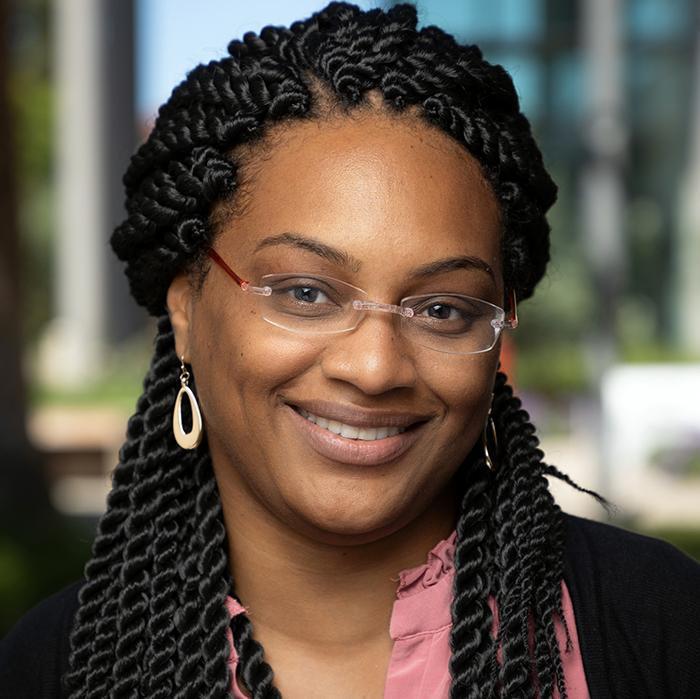
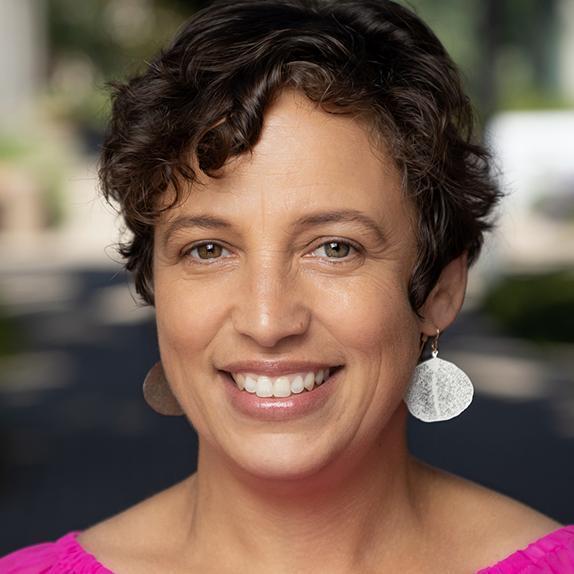
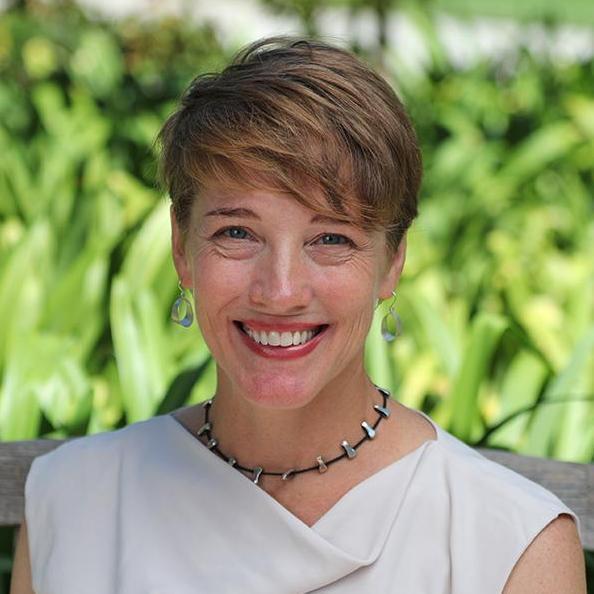
TUESDAY TEACHING TIP: Student Mentorship as a Teaching Practice Weekly teaching tips are designed to bolster your teaching toolbelt with local examples grounded in teaching and learning literature and relevant professional development opportunities. IntroductionWhat do we mean when we talk about mentorship and how do we do it well? The answers vary across individuals and contexts, and are shaped by discipline, student and faculty priorities, and mentor/mentee skill development. We invited faculty panelists for next week’s CAFE on student mentorship to offer a glimpse into what mentoring looks like in their own practice. Their reflections raise possibilities and questions about trust, invitation, agency, intellectual risk-taking, opportunity, and recognizing potential. Grounded in cura personalis and SCU’s teacher-scholar tradition, mentorship at SCU invites attention to the whole person and to the evolution of our relationships with students. Early in the academic year, as relationships with students take shape, we’re making space to consider how we cultivate them with intention.
Of course, their work helps me too, but I want to make sure they are learning and that they feel like they are important to the project. When I am looking for students to work for me as research assistants, I try to invite students who are not already necessarily at the top of their class. There are lots of talented students at SCU and many are sitting quietly at the back of the class and just need the invitation to really thrive and take off.
As they puzzle out how to develop it, I have the chance to offer guidance and demonstrate confidence; with their final work, they have the chance to teach me things I didn’t know.
Want to explore further?Podcast: Student Scholar Perspectives on Mentoring Relationships One lens for thinking about mentorship comes from student-faculty pedagogical partnership, which offers three key attributes of a mentor/mentee relationship: respect, reciprocity, and shared responsibility (Cook-Sather et al, 2014). The 3Rs invite questions for reflection: How do we communicate and enact respect? What does reciprocity look like given varied roles and expertise? How is responsibility understood and negotiated? NAS-NAE-IOM. Adviser, teacher, role model, friend: On being a mentor to students in science and engineering. Washington, DC: National Academy Press; 1997 (1997 National Academies report.) DOI: https://doi.org/10.17226/5789 The science of effective mentorship in STEMM by Maria Lund Dahlberg, Angela Byars-Winston National Academies Press, 2019. DOI: https://doi.org/10.17226/25568
UPCOMING EVENTS:
Missed a teaching tip? Read them all here. And check out our full calendar of CAFEs and other Faculty Development events.
|

| Center for Engaged Teaching and Learning |