de Saisset

The de Saisset Museum at Santa Clara University | 500 El Camino Real | Santa Clara, CA 95053 | 408.554.4528 | Hours | Directions

Integrated Education


The de Saisset Museum at Santa Clara University as a Teaching Tool for Faculty and as a Resource for Student Research and Learning


Introduction
The de Saisset Museum is an important resource at Santa  Clara University for faculty teaching and research and student research and learning. The Museum strives to collaborate with faculty and students on meaningful multidisciplinary projects.

Our Mission
The de Saisset Museum supports Santa Clara University’s goal of educating the whole person through a diverse range of accessible exhibitions, collections, and educational programs that highlight the art and history of the San Francisco Bay Area and the local Santa Clara Valley. As a center of lifelong learning, the de Saisset Museum facilitates discovery, experience, and inspiration through engaging objects of art and history. The Museum achieves its mission through an active program of exhibitions, collections, education programs and publications. As an important resource for Santa Clara University, the de Saisset actively collaborates with the larger University community, in order to foster the integration of diverse forms of learning and the Jesuit ideals of reasoned and rigorous inquiry.

Museum Staff
The de Saisset Museum staff are happy to work with you to provide guidance, support, and facilitation for your project. We will make every effort to accommodate your projects with the staff and facility resources available at the time.

Three ways the de Saisset can be a resource for teaching and learning:

ExhibitionsCollectionsEducation

undefined

EXHIBITIONS
The de Saisset Museum presents six to twelve exhibitions every year. Exhibitions at the de Saisset Museum showcase the diversity of art and history, explore the work of local contemporary artists, address the issues of contemporary society, showcase the theme of social justice, and highlight the strengths of the permanent collection.

How to incorporate de Saisset exhibitions into your teaching:

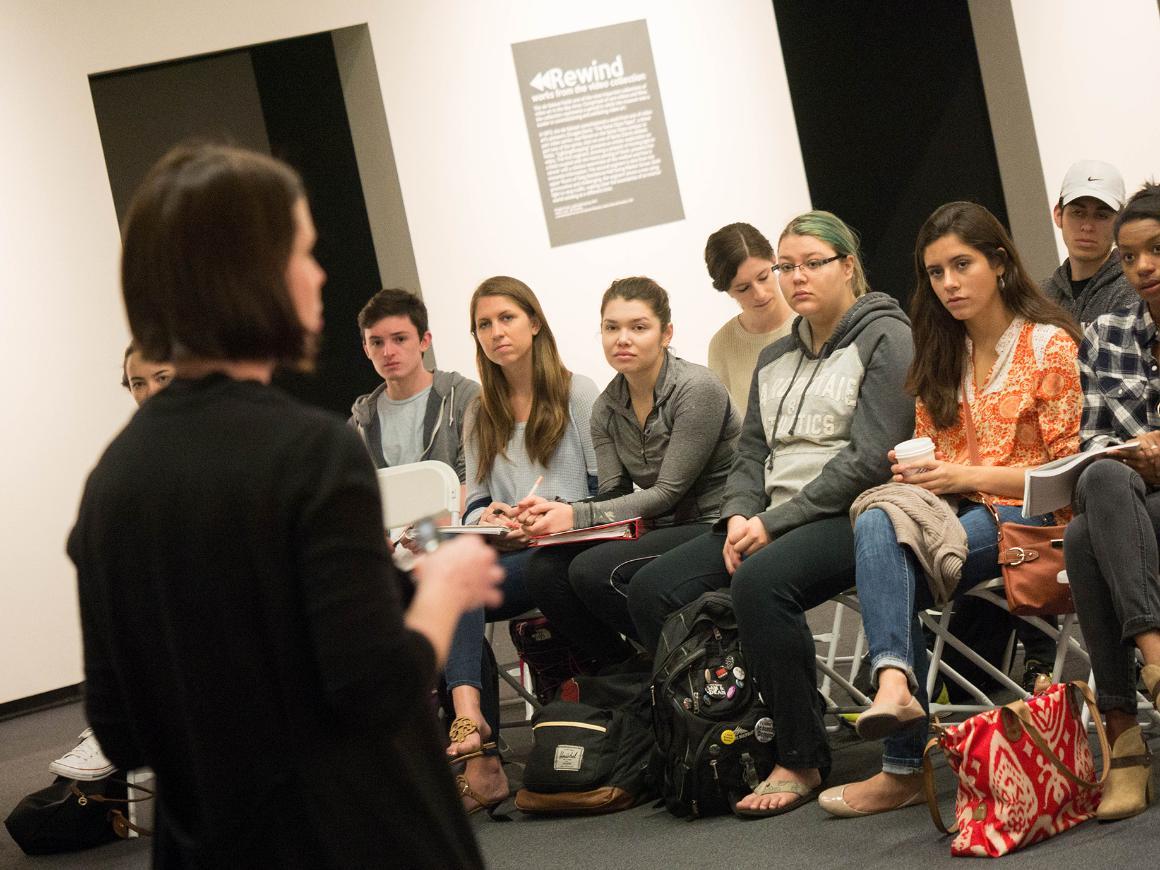
  • Take an interactive Explore with Me student docent tour of the exhibition with your class.
  • Require an unsupervised class visit to the Museum and assign a reflection paper.
  • Host your class at the Museum and provide your own walkthrough of pertinent work(s).
  • Structure a more guided looking/writing or looking/discussion assignment in the Museum related to specific works on view/exhibition themes.
  • Invite exhibiting artist(s) to talk in your class.
  • Collaborate with the de Saisset Museum staff on a more involved education project. Examples include:
    • During the spring 2005 exhibition Here and Now, students in SCU Assistant Professor Bridget Cooks’ African Americans and Photography course wrote labels for pieces in the exhibition, after receiving training from Museum staff. These labels were displayed in the exhibition.
    • During the winter 2007 exhibition Faith Placed: The Intersection of Spirituality and Location in Contemporary Photography, selected artists included in the exhibition explored the topic of sacred spaces and their representation in Professor Philip Riley’s Ways of Understanding Religion course. Riley used the exhibition as a point of departure from which to explore the subject of sacred spaces and their representation in his course.
    • In the upcoming Winter/Spring 2008 exhibition The Anderson Collection: Work from the 1960s (working title), students enrolled in SCU Assistant Professor Andrea Pappas’ post-War art history course will write object and section labels for the exhibition, and will create a cell-phone audio tour for the exhibition.
  • Propose an exhibition to the de Saisset that addresses our exhibition foci listed in the first paragraph.
    • Such an exhibition could include the results of student research, such as the student complement to the winter 2007 The Power of Portraiture exhibition. This exhibition featured work by students enrolled in SCU Lecturer Renee Billinglsea’s Exploring Society through Photography course in conjunction with a larger exhibition focused on the Sixth Street Photography Workshop (an organization that shares the art of photography with low income and homeless populations).
Procedure
Contact Karen Kienzle, Assistant Director for Exhibitions, Education, and Community Outreach at kkienzle@scu.edu or 408.554.2741 for more information about incorporating de Saisset exhibitions into your teaching.


undefined

COLLECTIONS
Since its founding in 1955, the de Saisset Museum’s collections have expanded to include thousands of objects. Highlights of the de Saisset’s permanent collection include Renaissance, Baroque, Rococo, and 19th century prints by artists such as Albrecht Dürer, William Hogarth, and Giovanni Battista Piranesi. Modernist prints in the de Saisset Collection include works by Marc Chagall, Henri Matisse, and Pablo Picasso. The Museum also has an extensive collection of contemporary prints, with a special emphasis on artists from the San Francisco Bay Area, such as Robert Arneson, Robert Bechtle, David Best, Christopher Brown, Joan Brown, Richard Diebenkorn, David Gilhooly, Frank Lobdell, Manuel Neri, Nathan Oliveira, Wayne Thiebaud, and William Wiley. The de Saisset Museum also has a strong photography collection, with hundreds of prints by artists such as Ansel Adams, Ruth Bernhard, Edward Curtis, Imogen Cunningham, Judy Dater, and Weegee.

The de Saisset Museum also serves as the caretaker of the University’s California History Collection. This important collection, which is on permanent view, includes Native American art and artifacts from the pre-European contact period, such as baskets, jewelry, ornaments, and hand tools. Other highlights of the California History collection include the distinctive Mission Collection, which ranges from Spanish Colonial devotional art—such as religious paintings and santos dating from the 18th century—to 19th century gothic style decorative arts. Through historical objects and artifacts, the California History Collection tells the history of the area from the pre-contact period to the founding of the Mission, through the Gold Rush and early years of Santa Clara College.

How to incorporate de Saisset collections into your teaching:

  • Select objects from the Museum’s permanent collection for viewing up close in the Museum during a class session.
  • Select objects from the Museum’s permanent collection for viewing in the Museum’s public display cabinets (which allow long-term and unsupervised viewing by students).
  • Work with a student or students to curate a permanent collection exhibition for the Museum’s public display cabinets.
  • Collaborate with the de Saisset Museum staff on a more involved collection project. Examples include:   
    • In the winter and spring 2006 quarters, Assistant Professor Bridget Cooks and the Museum collaborated on a Center for Multicultural Learning grant that funded acquisitions to the permanent collection by artists of color. In conjunction with these projects, students in Cooks’ African Americans and Photography and African American Women and the Visual Arts classes selected the works for acquisition.
    • A similar acquisitions project funded by CML was implemented collaboratively by the Museum and Assistant Professor Kate Morris with her students focused on work by contemporary Native California artists.

Procedure
Contact Collections Manager Jean MacDougall at jmacdougall@scu.edu or 408.554.6877 for more information. Based upon your area of interest, MacDougall can provide you with a list of applicable objects in the collection. Please note that requests for in-Museum collection viewing and public display cabinets must be made at least four weeks in advance to allow time to access and prepare objects. For more information on collection use, please see the attached Permanent Collection Access Guidelines.

undefined

EDUCATION
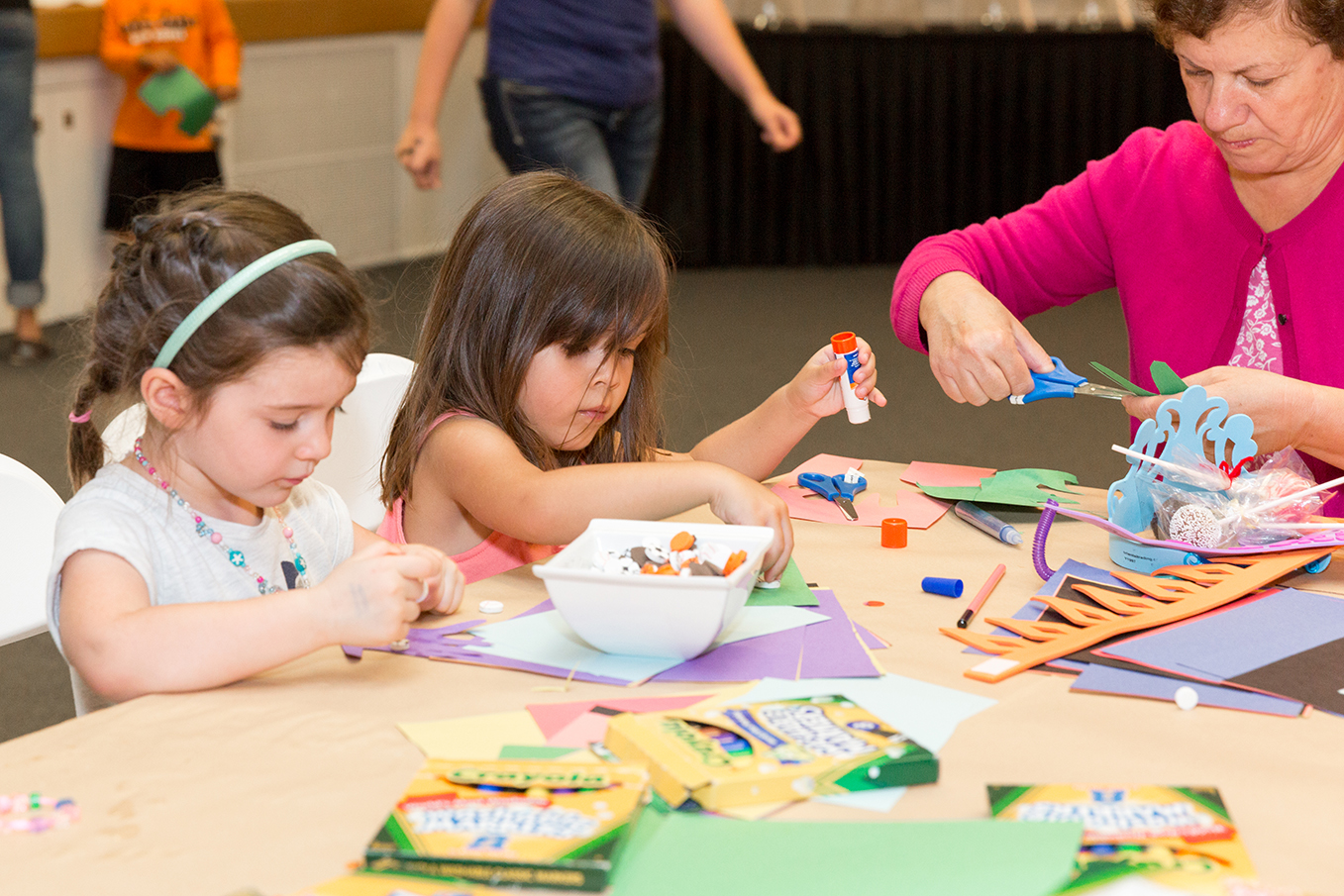
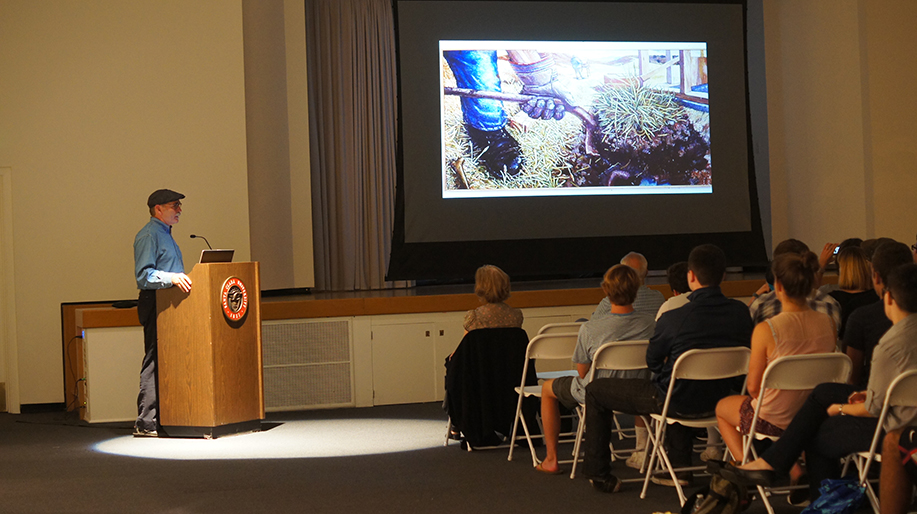
The de Saisset Museum presents several educational programs every quarter. Educational programs relate to temporary exhibitions or the permanent collection and include College Night events, panel discussions, lectures, symposia, film programs, Community Day events, Family Day events, and artmaking workshops.

The de Saisset Museum maintains two docent programs. Our Explore with Me student docent program is staffed by Santa Clara University students who receive two units of credit (in conjunction with ARTH 98/198) for participating in training and giving tours to SCU groups and members of the general community. The de Saisset Museum also maintains a California History docent program staffed by volunteer docents who provide tours of the Museum’s California History exhibition, the Mission, and Mission gardens, primarily to fourth grade school groups.

How to incorporate de Saisset educational programs into your teaching:

  • Require your students to attend a de Saisset Museum educational program (with prior arrangement, the Museum can provide an attendance sheet to ensure your students attended) and/or require a reflection paper in response.
  • Provide your students with extra credit for attending a de Saisset Museum educational program.
  • Take an interactive Explore with Me student docent tour of the exhibition with your class.
  • Encourage your students to enroll in the Explore with Me student docent program—an opportunity that provides a chance for students to learn more about art, practice their public speaking skills, and learn more about museums.
  • Propose an educational program that relates to the Museum’s exhibitions and/or permanent collection. 

Procedure
Contact Assistant Director for Exhibitions, Education, and Community Outreach Karen Kienzle at kkienzle@scu.edu or 408.554.2741 to learn more about upcoming educational programs.

undefined