| Trouble viewing this email? Read it online. |
| October 27, 2026 |
Tuesday Teaching Tip: Gathering Mid-term Student Feedback: Small Strategies for Sustained Conversations Weekly teaching tips are designed to bolster your teaching toolbelt with local examples grounded in teaching and learning literature and relevant professional development opportunities. Trying to gauge what's going on in your course right now? Mid-term feedback offers a chance to explore those questions together with your students and make meaningful adjustments while the course is underway. Even small changes, like clarifying expectations or revising an assignment, can make a positive difference. Whatever approach you take, be sure to close the loop with students by sharing what you learned and how you’ll respond, while keeping adjustments manageable within your current workload. Prefer to learn by listening about mid-term student feedback strategies? Here are two options:
Drawing on practices shared by SCU faculty colleagues, here are a few ways to invite students into this conversation, from a five-minute check-in to a more sustained exchange.
John Beltramo (Assistant Professor, Teacher Education) uses an adaptation of a department-developed three-question survey to identify themes that he then discusses with students.
After students complete the exam, they anonymously add comments or + beside points they agree with, helping identify shared priorities and making the collective student learning experience more visible.
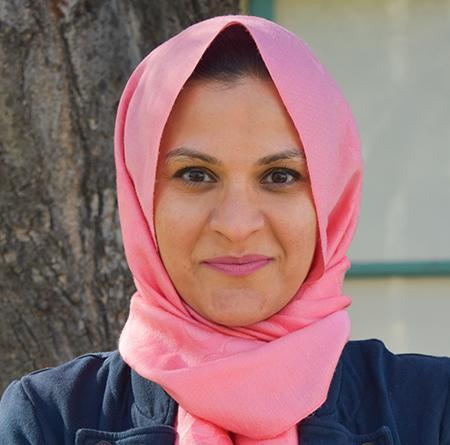
In-Class Collaborative Feedback: In-class check-in: Paul Schutz draws on the “post-exam feedback” prompts (above) to engage upper-division students in a discussion, building on one another's suggestions and collaboratively strategizing things to do differently and things to continue developing further. He notes that this approach requires trust and openness to real-time feedback while demonstrating to students his care for their learning. Group Support Day: To better understand students’ experiences of belonging, community, and participation, Amna Yusuf invites students to sit in a circle and share how things are going at SCU. Students often exchange advice and campus resources, strengthening their connections and sense of belonging.
WANT TO GET INVOLVED WITH CETL? We invite faculty from across SCU to join a collaborative team focused on improving some aspect of teaching and learning at SCU. If you are interested, please complete this expression of interest form by Friday, November 6, 2026.
UPCOMING EVENTS:
Missed a teaching tip? Read them all here. And check out our full calendar of CAFEs and other Faculty Development events. |


| Center for Engaged Teaching and Learning |
|
facultydevelopment@scu.edu |