| Trouble viewing this email? Read it online. |
| OCTOBER 2026 |
|
 |
Inspired by these testimonies and the lives of those who have gone before us, may we be ever more committed to making the most of each of our days.
|

The Practice of Patience
Learning Through Accompaniment | Jean Donovan Fellowship Reflections
As the 2026 summer came to an end, our 17 Jean Donovan Fellows wrapped up their engagement with community-based organizations from around the world and shared their experiences and reflections of this time spent in accompaniment with organizations addressing social justice issues. Three of the fellows reflected on their new understanding of what it means to stay, listen, and to walk alongside a community. From the California Coast to Chile to India, each of them learned that showing up is where the work begins.
The AMDG Fellowship
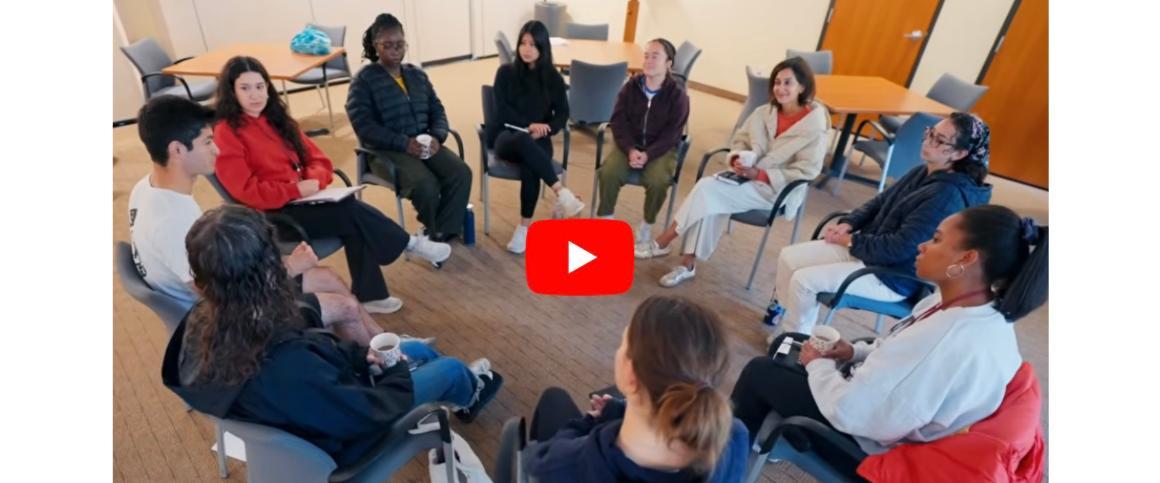
This past year we introduced a new fellowship opportunity for SCU students – the AMDG (Ad Majorem Dei Gloriam) Fellowship. This unique year-long commitment that offers students the opportunity to deepen their understanding of Ignatian Spirituality and reflect upon their Catholic faith identity. During the fall and winter months of their year in AMDG, fellows took part in a weekend-long silent retreat based on the Spiritual Exercises. Our own Valerie Sarma, Sr. Program Director of Student Engagement, explains how this experience allowed students to quiet the exterior noise of their lives and listen attentively for God’s voice.
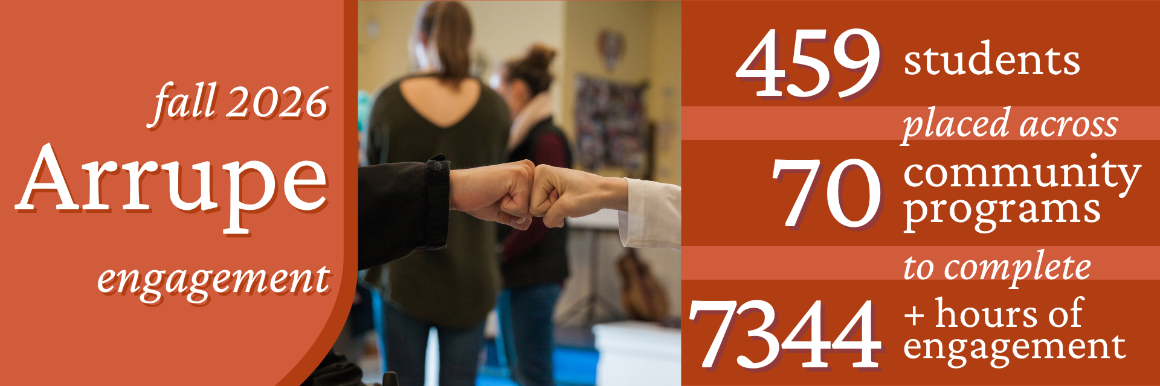
Rooted in a faith that does justice, the Ignatian Center's Arrupe Engagement partners with local community organizations whose members and clients serve as co-educators for Santa Clara University students. Informed by and in conversation with Catholic social tradition, the Center facilitates community-based learning opportunities that underscore commitments to the common good, universal human dignity, justice as participation, and solidarity with marginalized communities.
Your support changes lives and impacts the world for the better.
Show your support today!
| Home |
Follow us on social media!
Ignatian Center for Jesuit EducationSanta Clara University |