Santa Clara faculty offer their reading recommendations

With the holidays on the horizon, you might be looking for some books to read while you curl up on your couch. Or perhaps you have a few last-minute holes to fill on your holiday shopping list.
Either way, Santa Clara University’s thought leaders have you covered. We asked a handful of our faculty scholars from across campus for the books that inspire them, and they came through with personalized picks that explore some of the world’s most pressing issues, including AI, ethics, and identity.
Check out our list below and enter the new year refreshed and informed. If you like what you see, keep an eye out for our interviews with Santa Clara faculty throughout the year, where they discuss their research and inspiration.
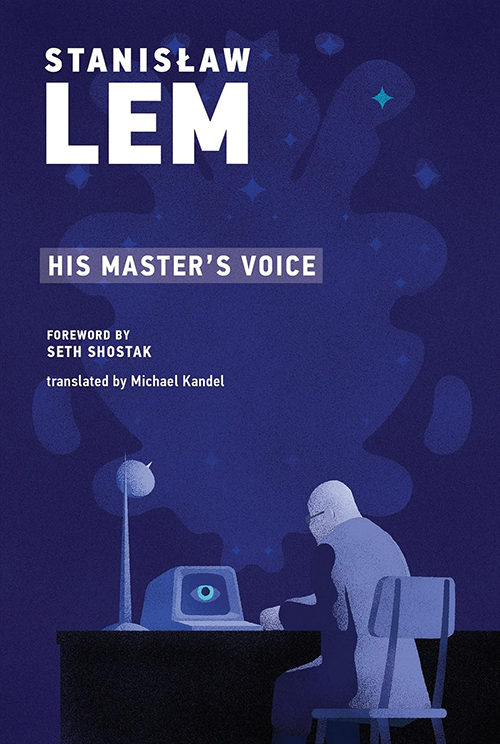
“His Master’s Voice” by Stanisław Lem
“Written during the Cold War, this Polish science fiction book is about scientists racing to decode what looks like a signal from space. What I love about it is how it wrestles with the limits of human understanding and the possibility that some things may be beyond us. Lem manages to be funny, imaginative, and philosophically serious all at once, which makes his work as insightful today as it was decades ago.”
—Erick J. Ramirez, Professor of Philosophy
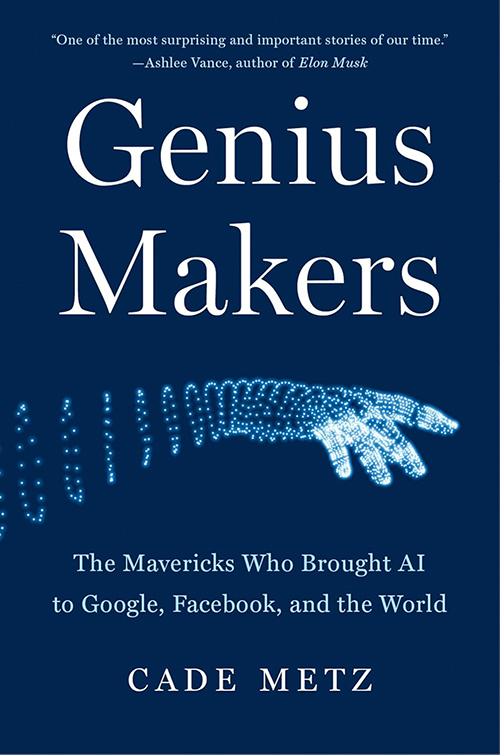
“The Genius Makers” by Cade Metz
“If you want to really understand what AI is about, how it is influencing our world, I highly recommend this book by Cade Metz. It will give you great insight into the history of AI, how deep learning was a backwater, and so many people were uninterested, even in the academic community. There’s a lot of behind-the-scenes and political drama.
“We think of AI as purely a technical problem, but actually, so much of scientific innovation is really about people and personalities and the power politics of how to get things done, how to allocate resources, and so on. The author captures that wonderfully. But where he stops is at the large language model revolution, which he doesn‘t unpack completely, given the timing of the book release.”
—Ram Bala, Associate Professor of AI and analytics
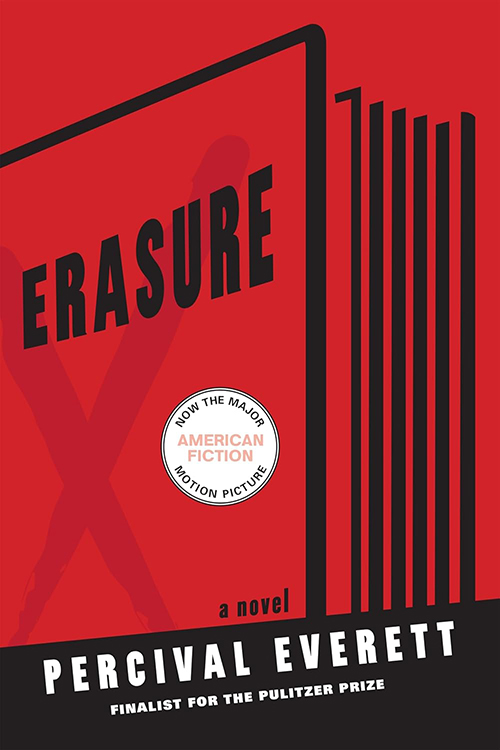
“Erasure” by Percival Everett
“It was recently adapted into the film American Fiction, which is quite different from the book, but both are fantastic in their own right. The novel is more graphic and complex than the movie, but it’s a brilliant, contemporary work that still feels fresh nearly 25 years after its publication. I read it every year with my students, and each time I discover something new.”
—Danielle Fuentes Morgan, Associate Professor of English
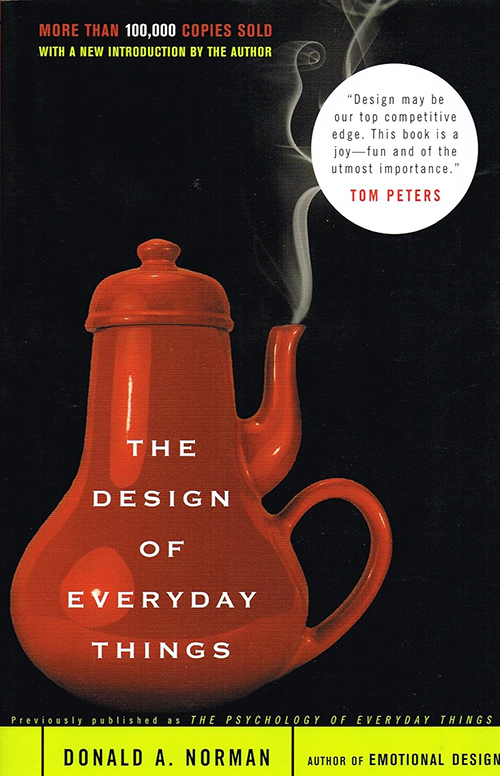
“The Design of Everyday Things” by Donald A. Norman
“This is a foundational text in design that introduces the concept of affordances—how the form of an object suggests its function—and emphasizes the importance of user-centered design. The book explores why some objects feel intuitive while others are frustrating, like doors that seem to invite you to pull when you should push, or handles that mislead you about their function. It also shows how design can guide or influence behavior, intentionally or unintentionally, which is especially relevant today as digital interfaces and apps are engineered to capture attention or steer actions. Understanding these principles helps designers create systems that are more usable, accessible, and aligned with human expectations.”
—Michael Abbott, Assistant Professor of Mechanical Engineering
“The Feynman Lectures on Physics” by Richard P. Feynman
“This book never gets old. Feynman had a special talent for explaining really complex ideas in a simple, clear, and often humorous way. Reading it feels like sitting in on his lectures at Caltech, where he doesn’t just teach equations but shows you how to think about nature. For anyone who wants a lighter introduction to Feynman’s way of thinking, “Six Easy Pieces” is a great option, highlighting some of the most engaging parts of the lectures about energy, quantum behavior, and the structure of matter.”
—Bachana Lomsadze, Associate Professor of Physics and Engineering
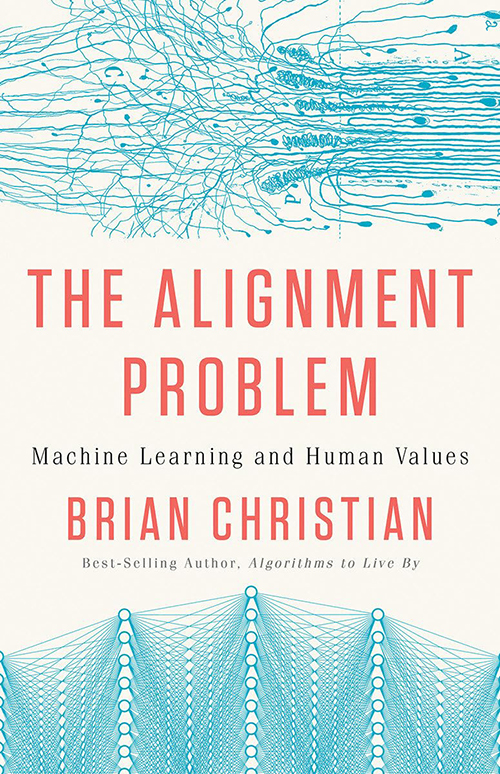
“The Alignment Problem: Machine Learning and Human Values” by Brian Christian
“This book explores how AI systems can be designed to align with human values, which is an important part of responsible AI. It addresses challenges such as bias in data and decision-making, and how we can ensure AI models reflect fairness and accountability.”
—Yuhong Liu, Associate Professor of Computer Science and Engineering
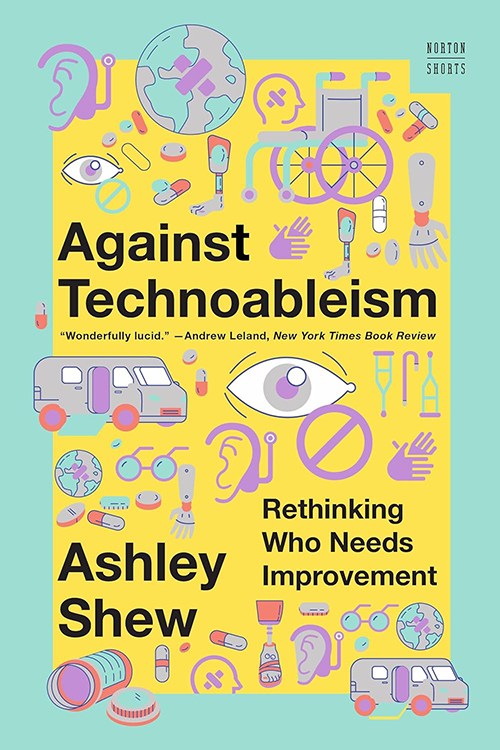
“Against Technoableism: Rethinking Who Needs Improvement” by Ashley Shew
“The author does a wonderful job of showing how disability isn’t just a problem for technology to “fix,” but something shaped by the way we organize society. She writes with real clarity, making these ideas very accessible.”
—Erick J. Ramirez, Professor of Philosophy
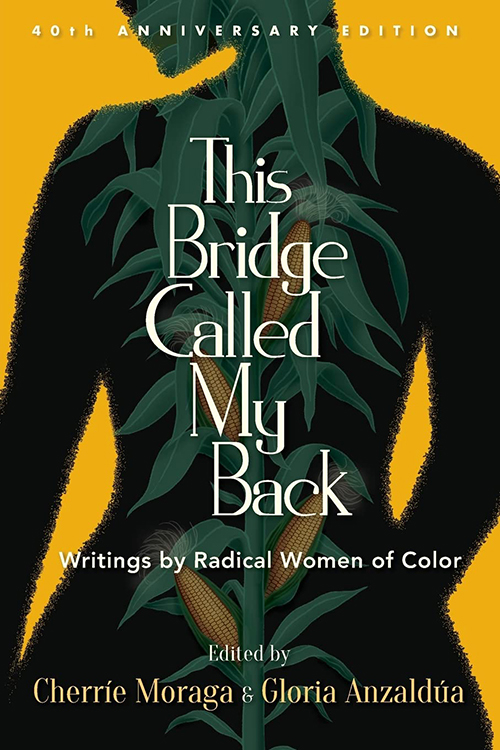
“This Bridge Called My Back: Writings by Radical Women of Color” edited by Gloria Anzaldúa and Cherríe Moraga
“This is a book I always return to. It’s an anthology first published in 1981, and it remains profoundly relevant today. The book reminds us of the importance of human connection, care, and community, and that real systemic change begins with seeing and honoring one another across differences. I first encountered it as an undergraduate student, and it’s continued to guide me through my career and teaching.”
—Jesica Fernández, Associate Professor of Ethnic Studies
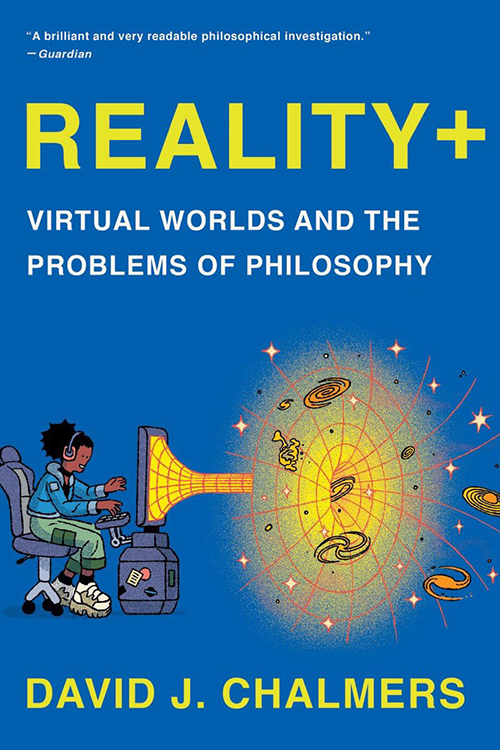
“Reality+” by David J. Chalmers
“Chalmers takes on the philosophical implications of virtual reality in a way that’s both fun and provocative. He argues that life in a simulated world could be just as real and meaningful as life in the physical one, and whether you agree or not, it forces you to think deeply.”
—Erick J. Ramirez, Professor of Philosophy
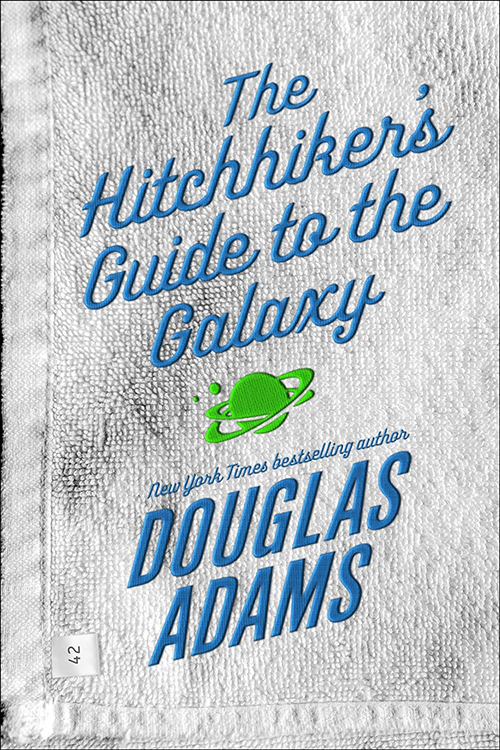
“The Hitchhiker’s Guide to the Galaxy” by Douglas Adams
“This is one of my favorites. It’s absurd, funny, and full of imaginative scenarios—a depressed robot, doors with personalities—that remind me technology can be playful, creative, and even a little silly. It encourages me to think beyond conventional solutions, to inject creativity and whimsy into problem-solving, and to remember that even as AI and machine learning grow, we should approach innovation with both curiosity and care.”
—Michael Abbott, Assistant Professor of Mechanical Engineering
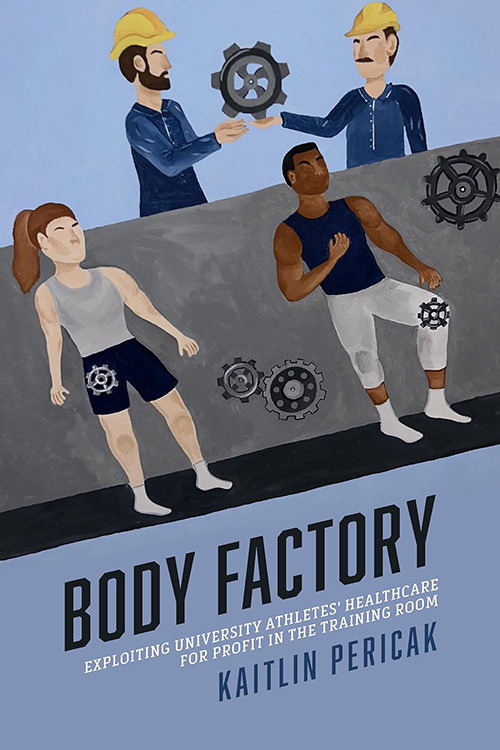
“Body Factory: Exploiting University Athletes’ Healthcare for Profit in the Training Room” by Kaitlin Pericak
“This book explores athletic training and shows how care in sports medicine often prioritizes profit over the well-being of athletes. It’s fascinating and frustrating. These will push people to think more critically about what genuine, humanizing care really means in higher education and athletics.”
—Ezinne Ofoegbu, Assistant Professor of Educational Leadership
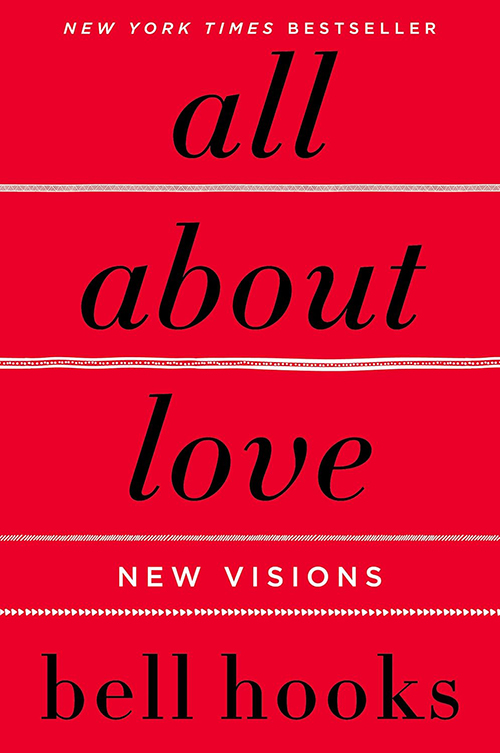
“All About Love” by bell hooks
“bell hooks reminds us of the importance of care, of honoring the humanity of others, and of leading with love in all that we do. That book really shaped how I think about supporting the whole person.”
—Ezinne Ofoegbu, Assistant Professor of Educational Leadership
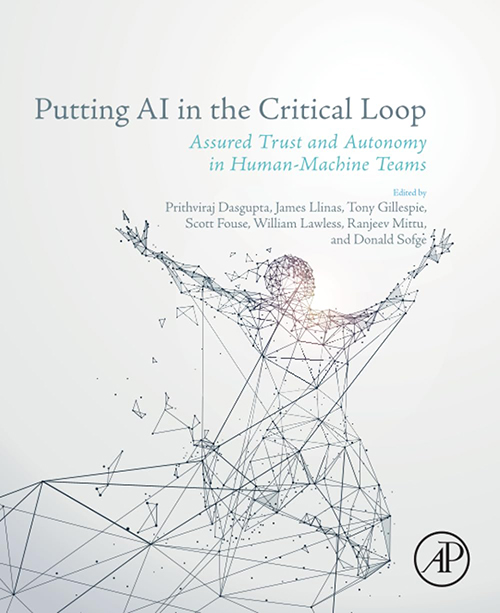
“Putting AI in the Critical Loop: Assured Trust and Autonomy in Human-Machine Teams” by Prithviraj Dasgupta and others
“This book focuses on trust and collaboration between humans and machines. As AI becomes more integrated into our lives, it is not only about how machines align with us, but also how we understand and respond to their influence on our decisions and behavior.”
—Yuhong Liu, Associate Professor of Computer Science and Engineering
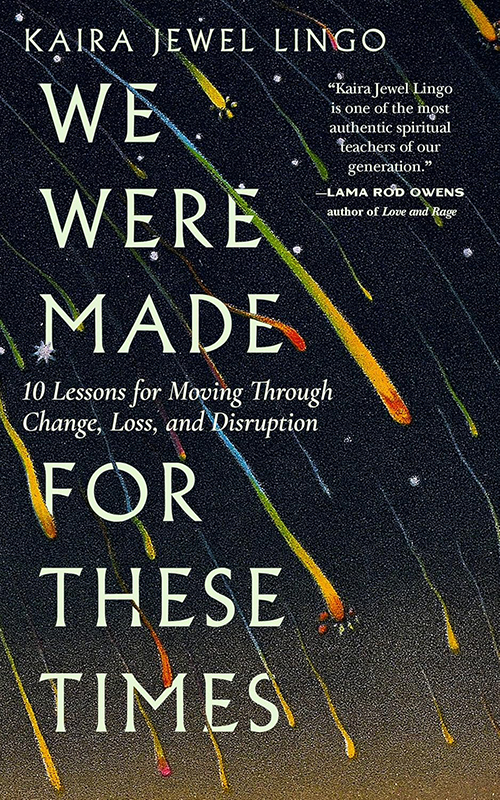
“We Were Made for These Times” by Kaira Jewel Lingo
“This is a book that blends mindfulness, meditation, and healing practices. I use many of its activities, like breathing exercises and body awareness, with my college students and middle schoolers in the YJP afterschool program. Learning to be present and grounded is a lifelong skill and a daily practice that strengthens our ability to care for ourselves and others.”
—Jesica Fernández, Associate Professor of Ethnic Studies
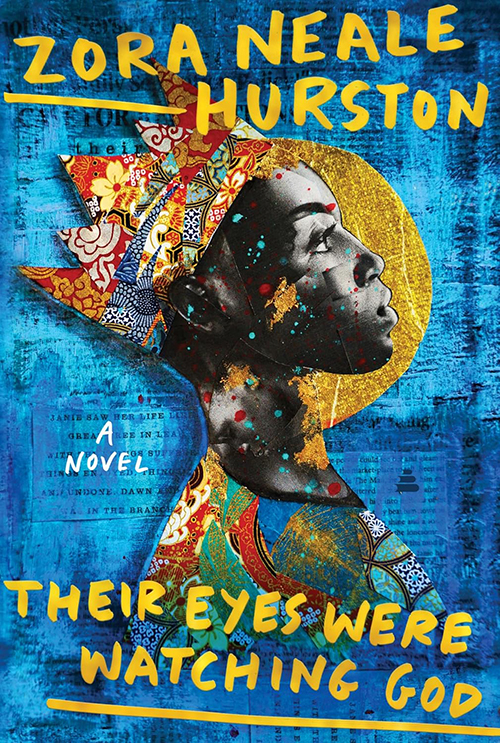
“Their Eyes Were Watching God” by Zora Neale Hurston
“While not satire in a traditional way, it’s a breathtaking, nuanced exploration of Black womanhood that feels just as powerful today as it did nearly a century ago.”
—Danielle Fuentes Morgan, Associate Professor of English
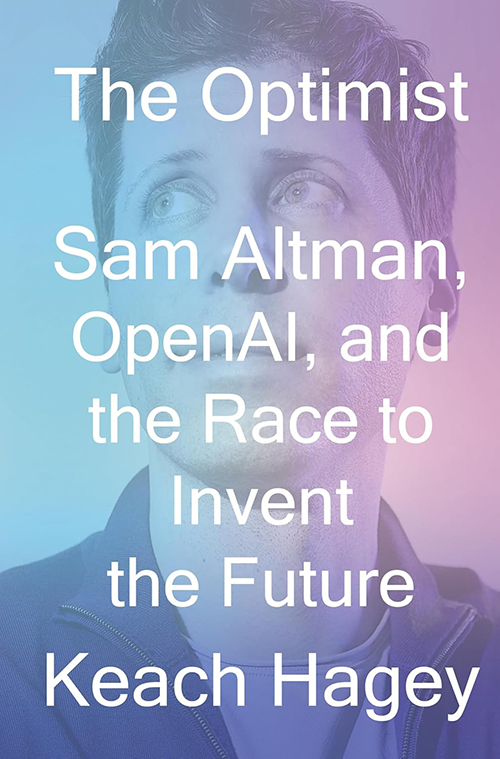
“The Optimist: Sam Altman, OpenAI, The Race to Invent the Future” by Keach Hagey
“If you want to get into the large language model revolution, the ChatGPTs of the world, I recommend this book by Keach Hagey. There’s a lot about Sam Altman, his biography, but once he gets into the OpenAI part and talks about how they actually came up with ChatGPT, it gets really, really interesting. It’s like they almost discovered this by accident, building stuff for games. It’s just amazing to me how scientific innovation actually works in practice.”
—Ram Bala, Associate Professor of AI and analytics
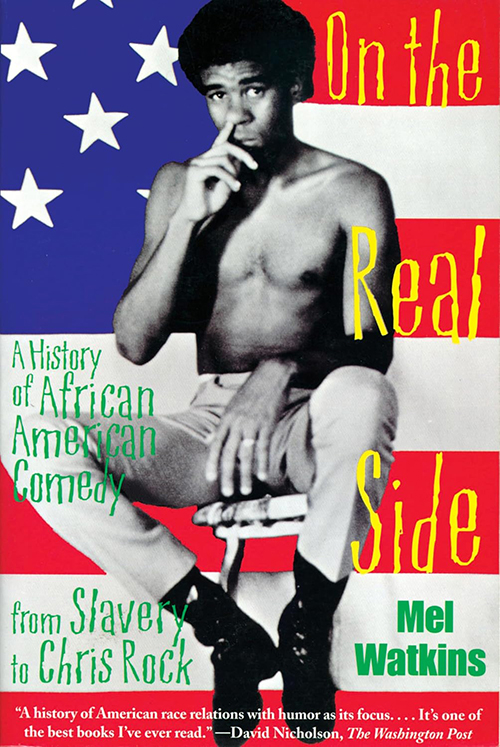
“On the Real Side: From Slavery to Chris Rock” by Mel Watkins
“This book is essential to the field of humor studies. It traces the history of African American comedy from its roots in enslaved people’s subversive humor through to modern stand-up, showing how comedy has long been a space of resistance and creativity. My own book, Laughing to Keep From Dying, picks up where Watkins leaves off, focusing on the 21st century.”
—Danielle Fuentes Morgan, Associate Professor of English