How a national higher ed leader found his purpose at Santa Clara
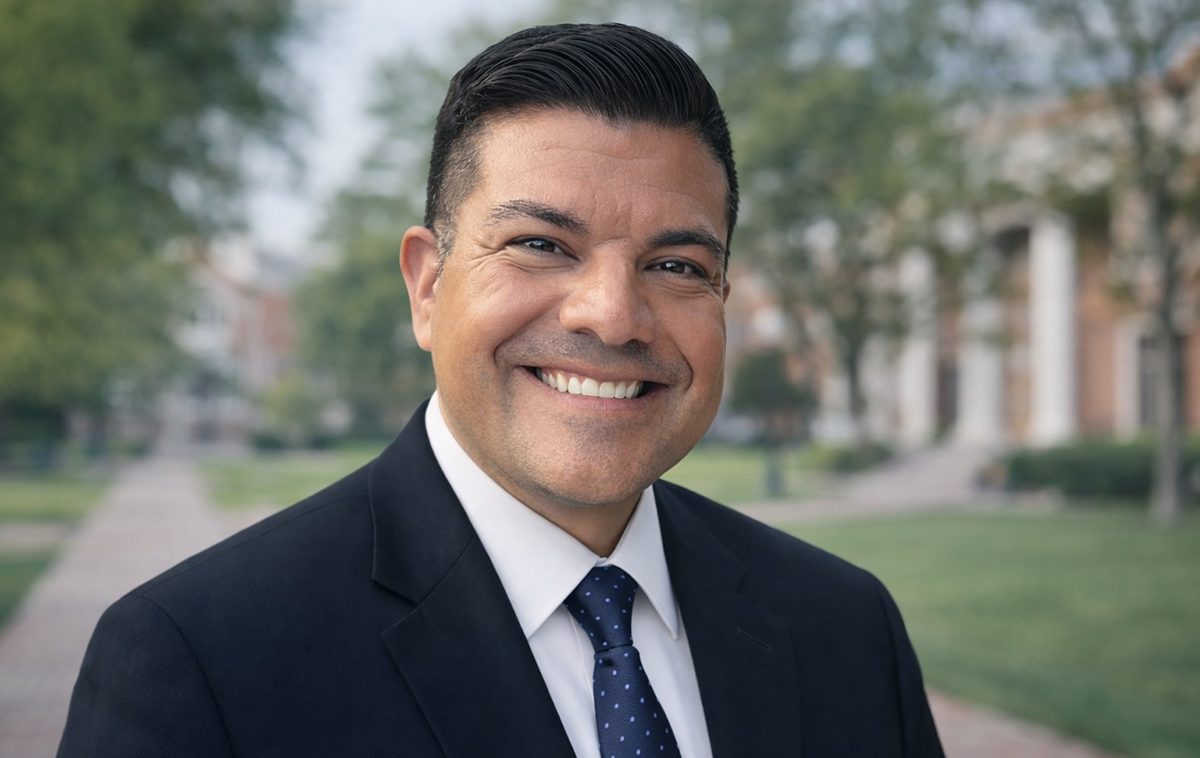
I’m from Watsonville, California—my dad worked in the fields, my mom in the canneries. Getting to Santa Clara was one thing, but feeling like I belonged was another.
I found that community in spaces like the Multicultural Center and Unity House. Those were the places where I met my lifelong friends, where we could be ourselves and see each other.
I was also one of the first student workers for the new Center for Multicultural Learning—now the Office of Multicultural Learning. We were tucked away in what looked like an old house back then—small, humble, but filled with energy. We didn’t know it yet, but we were building something new. We were redefining what “belonging” could mean for students like many of us first-gen, Latino, or just trying to find our footing.
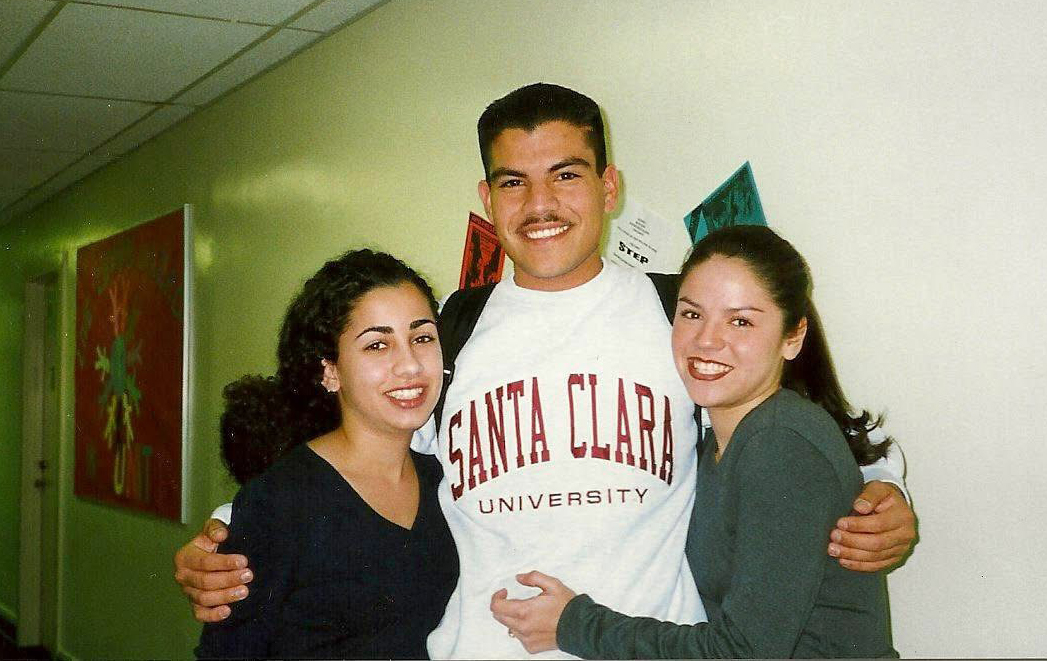
Working at the Center for Multicultural Learning, I had staff mentors who really saw us. The associate director, Vidalino “Vid” Raatior, for example, had this calm presence—his whole demeanor was, “You’re going to get through this. It’s going to be okay.”
At the same time, I was mentoring students myself. It felt like having little brothers and sisters—you want to make sure they’re successful too, that they don’t feel alone. Miguel Legarreta ’03, one of the students I mentored, still keeps in touch. Looking back, that’s where I really learned what mentorship looks like, both receiving it and offering it.
At one point, I also worked for Perla Rodríguez in Admissions, and I revamped Noche Latina to help other Latino students see themselves at Santa Clara. Later, I learned that kind of engagement is a predictor of student success—but at the time, it just felt like community.
After graduating, I worked in corporate for two years, but it wasn’t really for me. What I kept thinking about was how involved I’d been on campus—in student organizations, at the Multicultural Center, working with other students.
I remember Jen Acosta, who was the director of student life at the time, saying to me, “You know this is a profession, right?” That sentence changed everything.
I went on to earn a master’s in Student Affairs Administration and a Ph.D. in Educational Leadership and Policy Studies and now work with an organization that advocates for regional public universities in Washington, D.C. My work has contributed to research and student success efforts for nearly 350 public education institutions, especially for low-income and first-generation students.
I still think about the three C’s—competence, conscience, and compassion. Alumni can rattle those off easily, but the real question is, “How do you live them?” Now, as an alum and a professional, the way I think about success isn’t just my title. Santa Clara taught me to measure my own progress by how I lift up others.

Headquartered in the most innovative place on earth, Silicon Valley, Santa Clara University blends high-tech innovation with a social consciousness grounded in the Jesuit educational tradition. Broncos are driven to build a more humane, just, and sustainable world.