Research
WAVE Articles
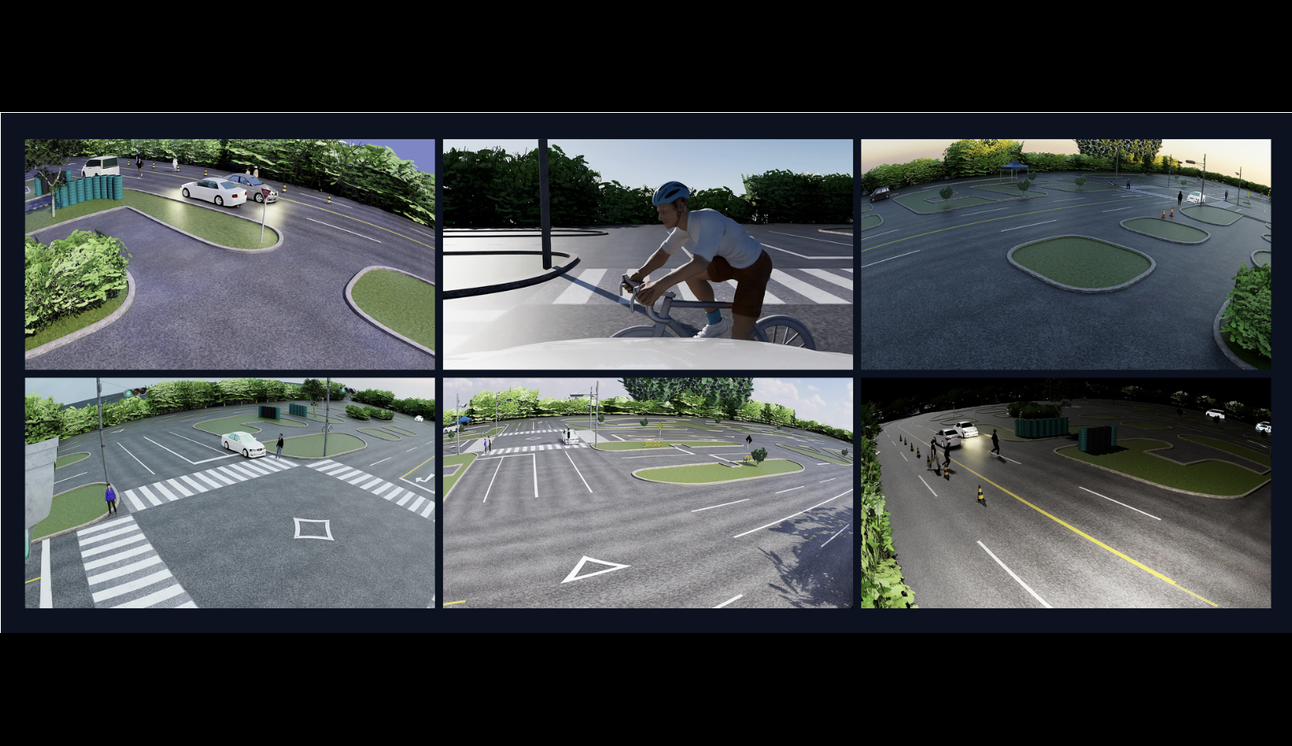
Beyond Detection: Proactive AI Safety
Prof. David Anastasiu uses Santa Clara's HPC Center and NVIDIA-powered digital twins to train models that predict and prevent traffic incidents in real time.
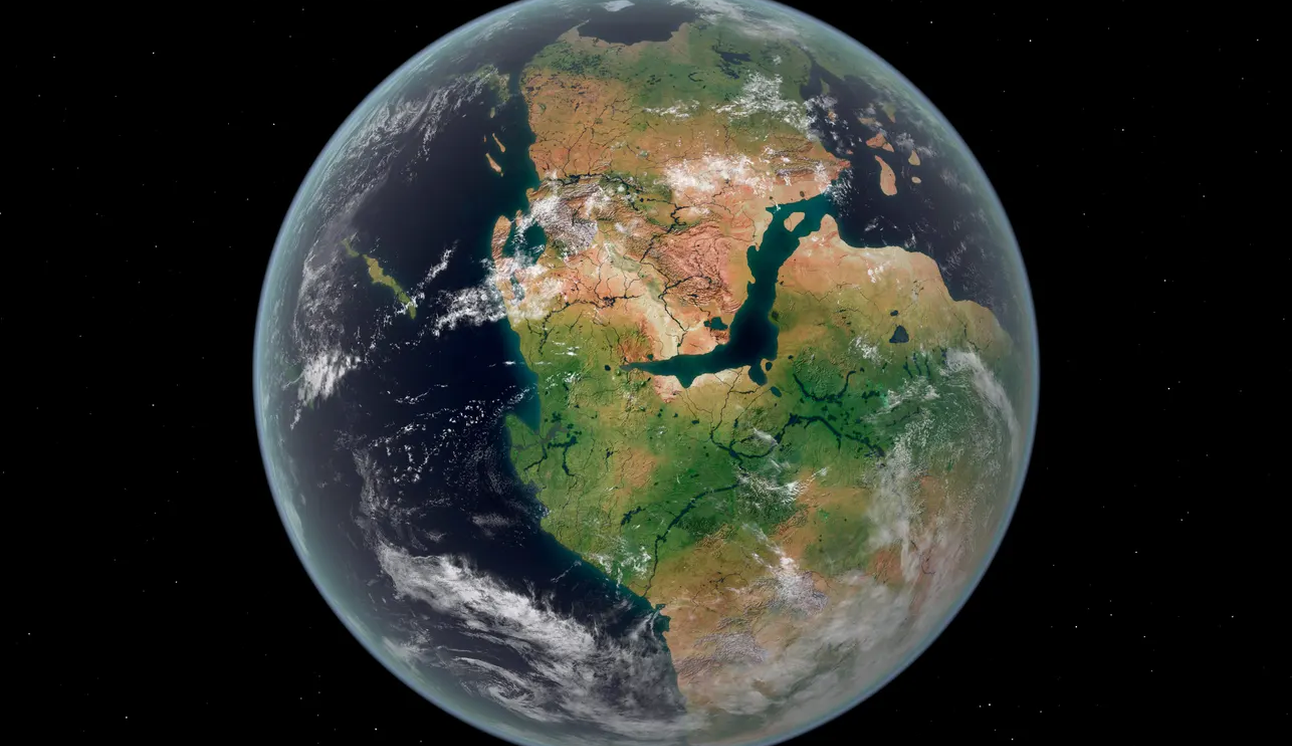
Modeling Earth's Future in ENVS 166
Dr. William Rush's ENVS 166 course pairs climate science with Python and HPC, having students analyze the CESM2 Large Ensemble dataset to examine regional climate futures.
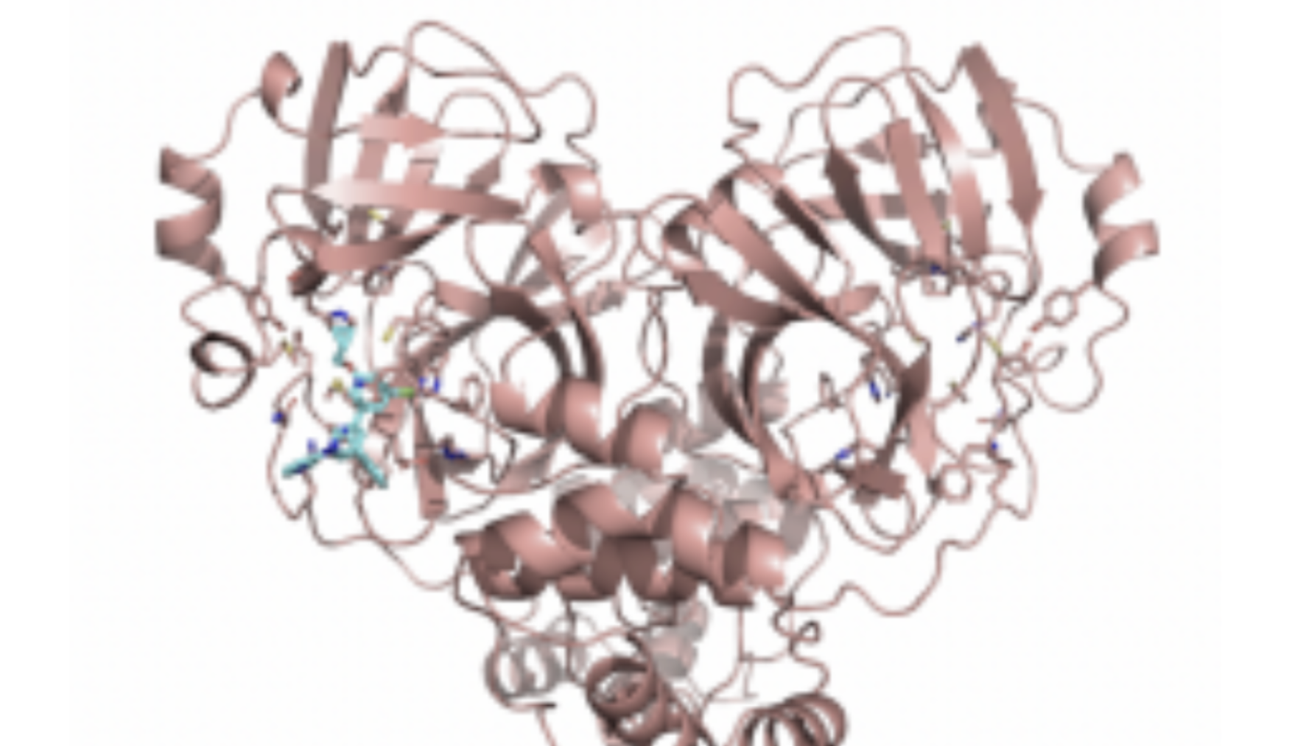
How BIOL 172 Brings Supercomputing into Biology
Dr. Michelle McCully's BIOL 172 course combines molecular biology with Python programming and supercomputing, letting students simulate proteins and model diseases like COVID-19.
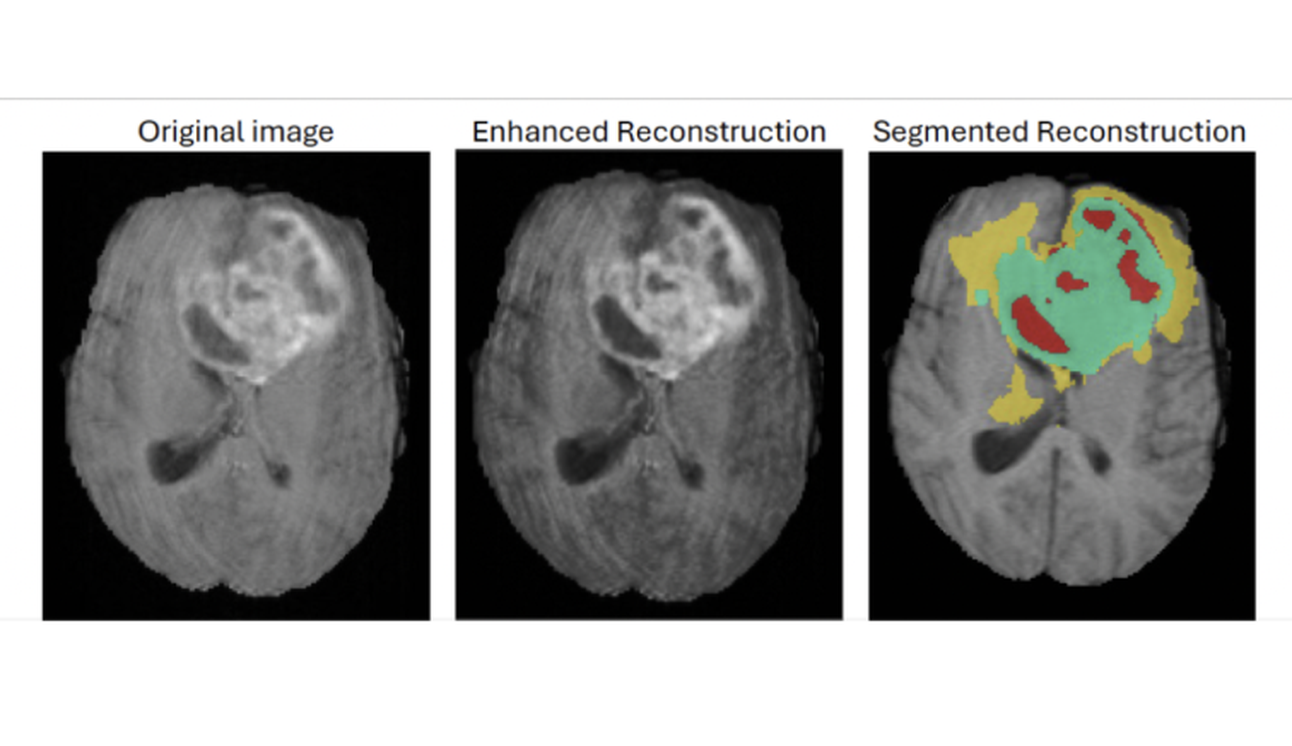
Filling the Blind Spots in Brain Imaging
Sarah Anjum uses WAVE HPC's GPU resources to develop AI models that reconstruct full 3D MRI brain scans, enabling radiologists to detect tumors and abnormalities with greater precision.
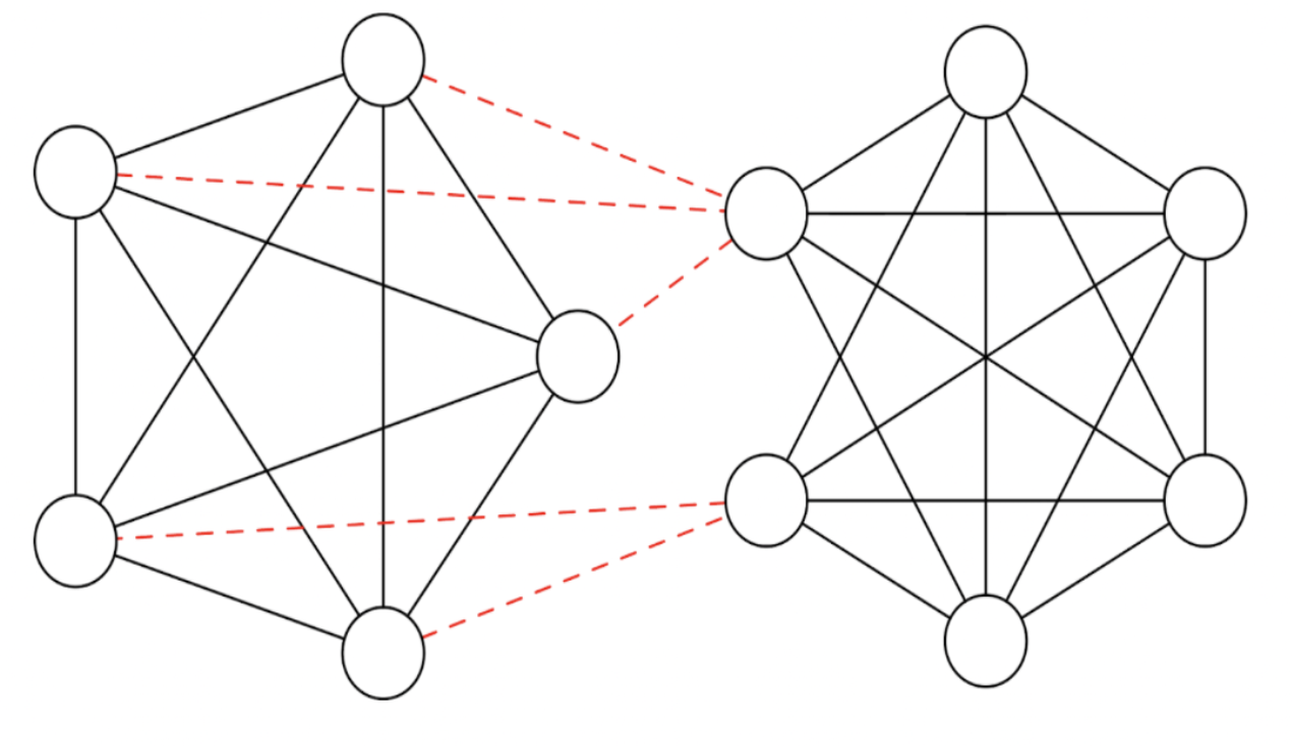
Computational Breakthroughs in Graph Theory
Simon MacLean uses WAVE's high-memory nodes to extend computational verification of Stanley's conjecture from 29 nodes to 33.
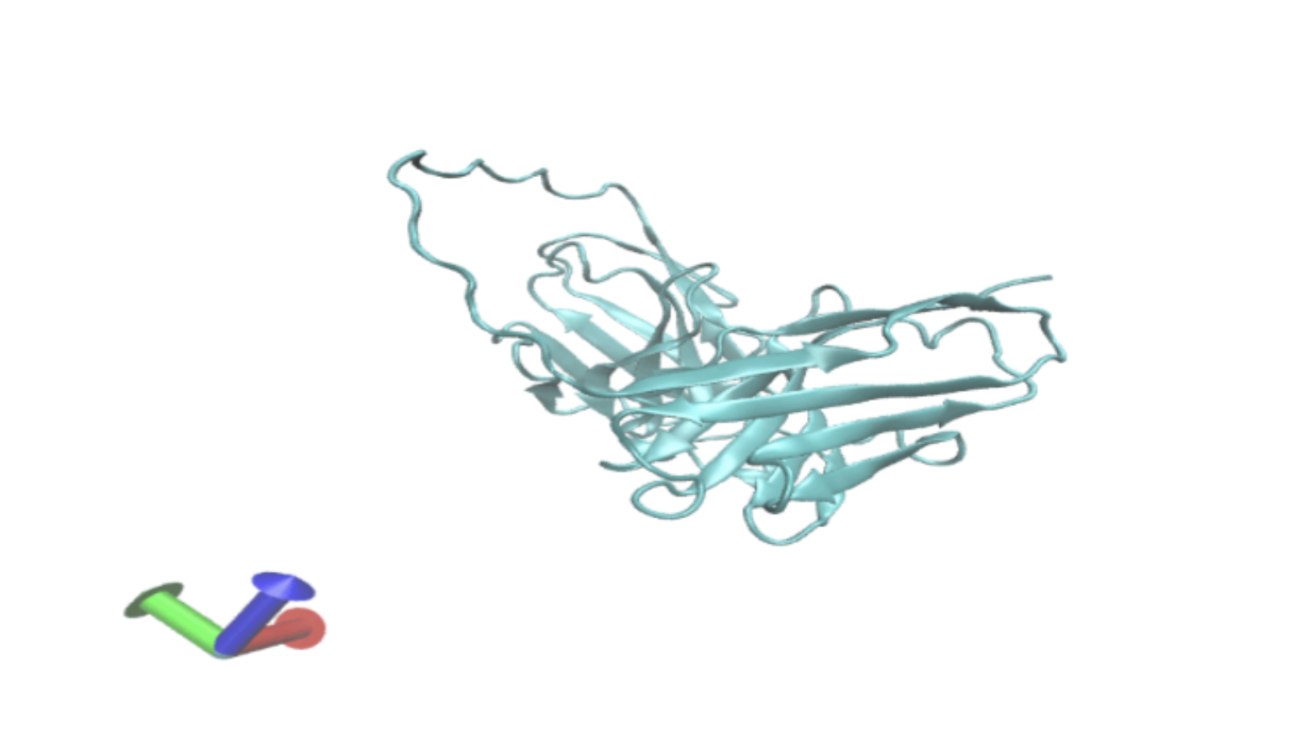
Cracking the Protein AI "Black Box"
Neel Mukkavilli uses WAVE's HPC cluster to make protein design AI more interpretable, aiming to turn accidental protein stability discovered by AI into intentional, controllable design.
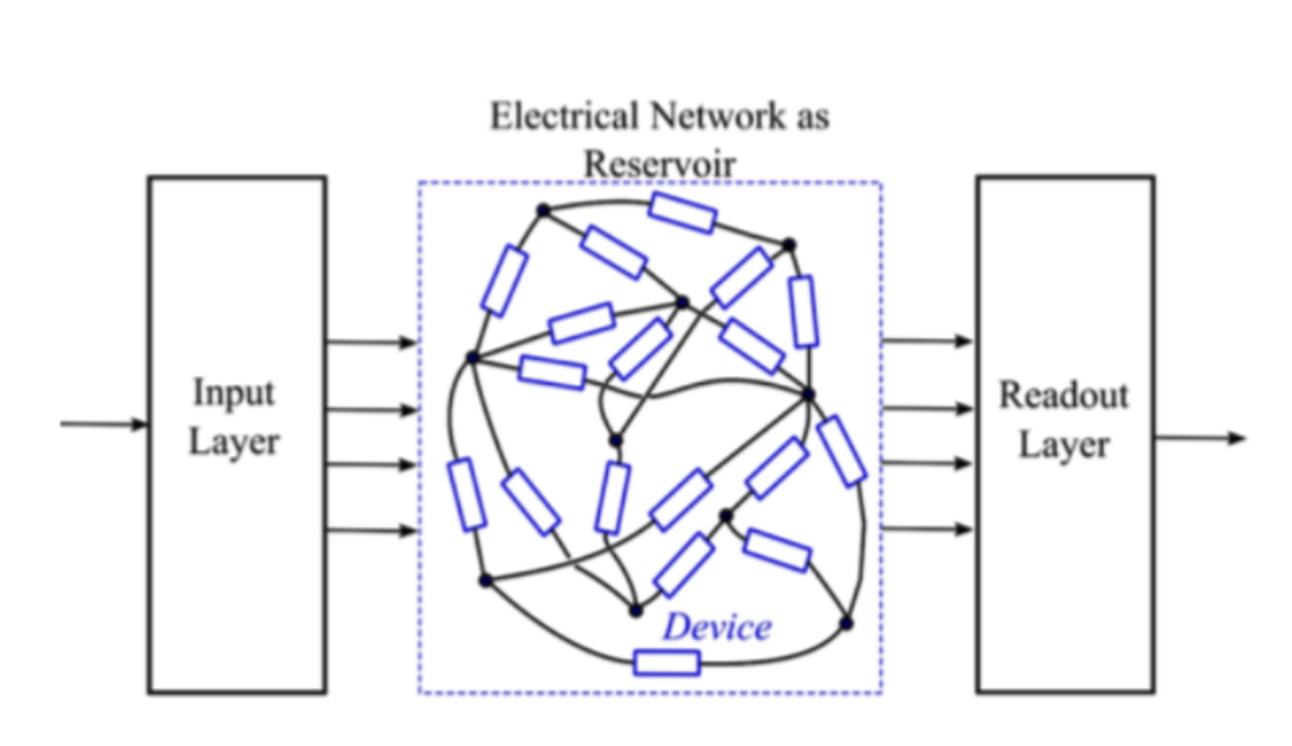
Reservoir Computing Architecture as Neurotrophic Computing
Explores reservoir computing, using electrical network reservoirs and Python-based simulations, as an efficient, scalable alternative to traditional recurrent neural networks.
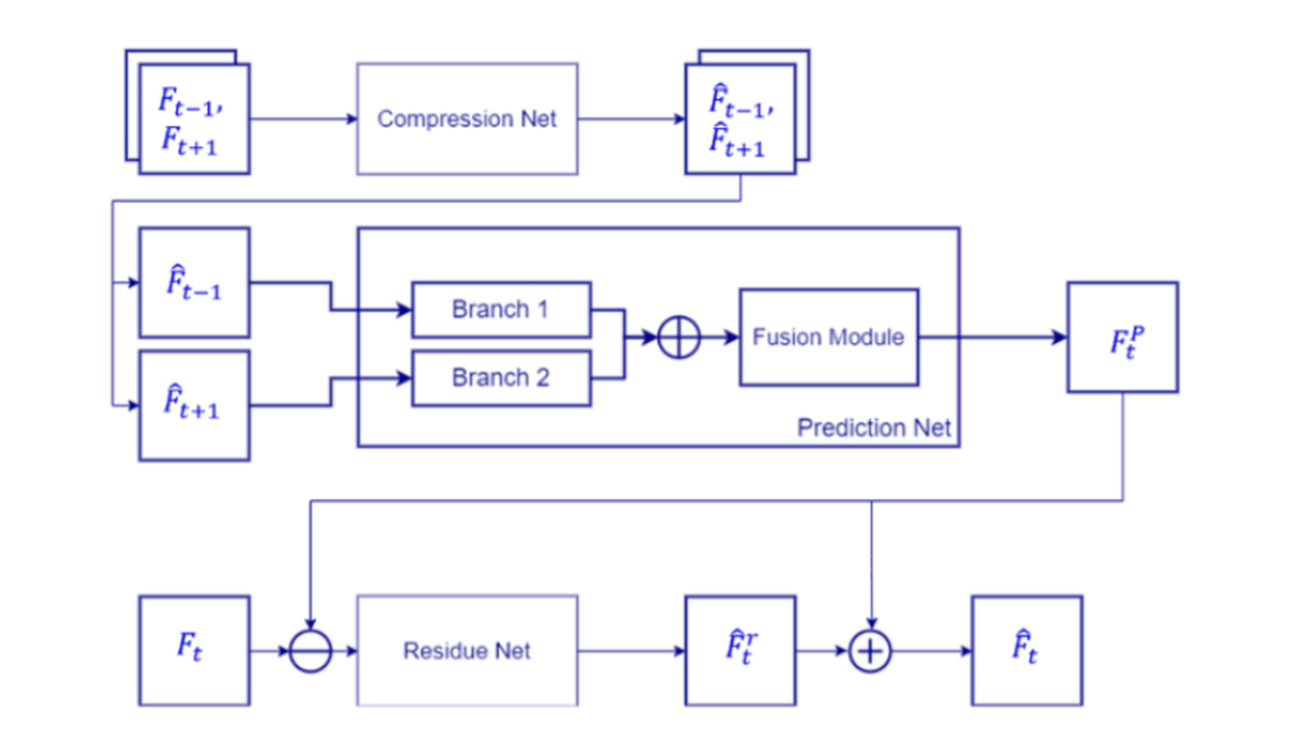
Learned Image and Video Coding
The VIP Lab uses WAVE to train large-scale deep learning models, including CNNs, GANs, RNNs, and transformers, to improve video coding efficiency for streaming, surveillance, and autonomous systems.
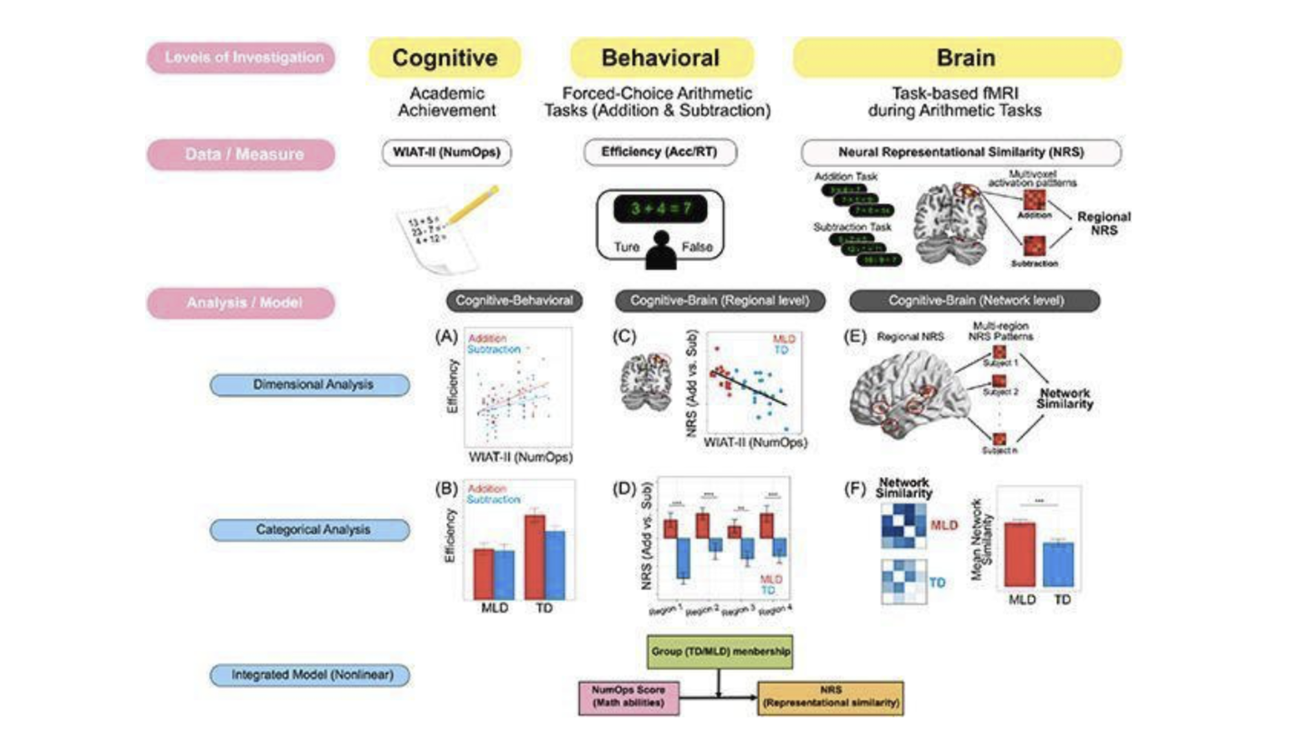
Deep Learning Approaches for Video Prediction
Combines transformer-based architectures with CNNs and LSTMs to predict future video frames efficiently on resource-constrained devices.
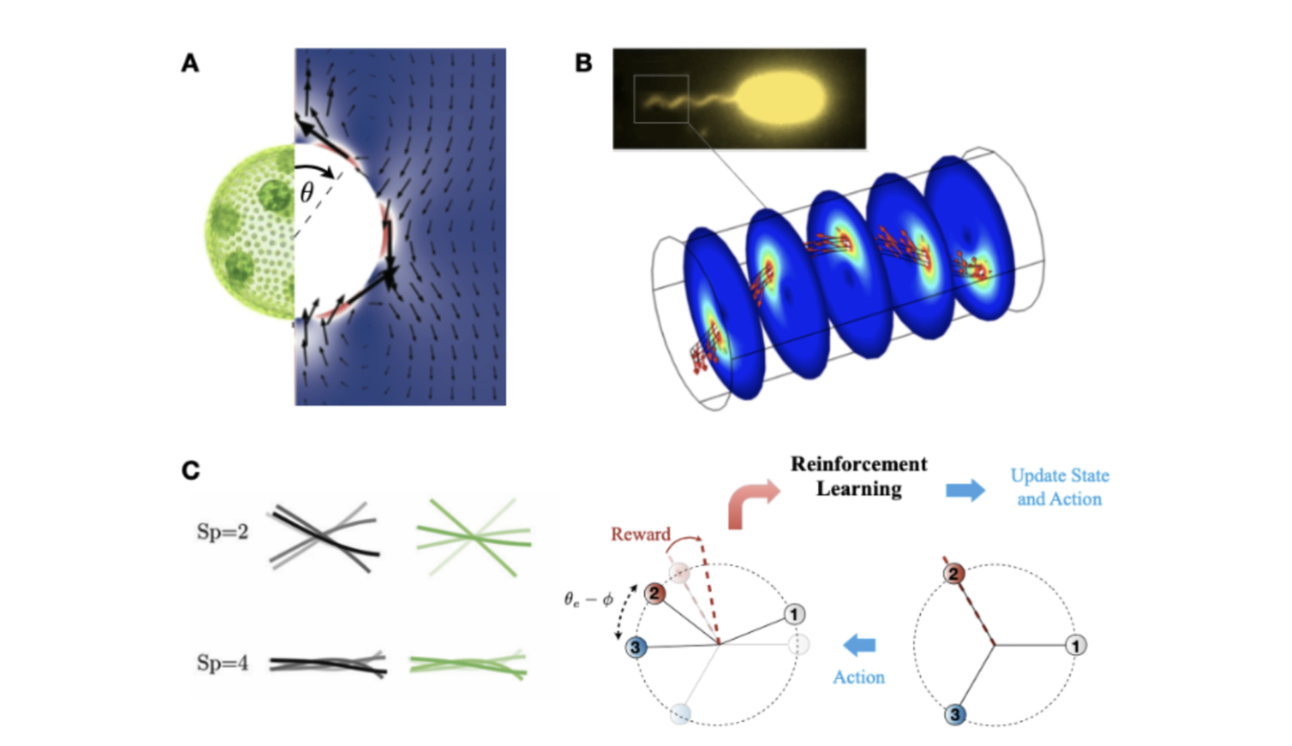
Theoretical and Computational Mechanics
Combines computational fluid mechanics and machine learning to study how microorganisms swim and to design artificial microscopic swimmers for drug delivery and microsurgery.
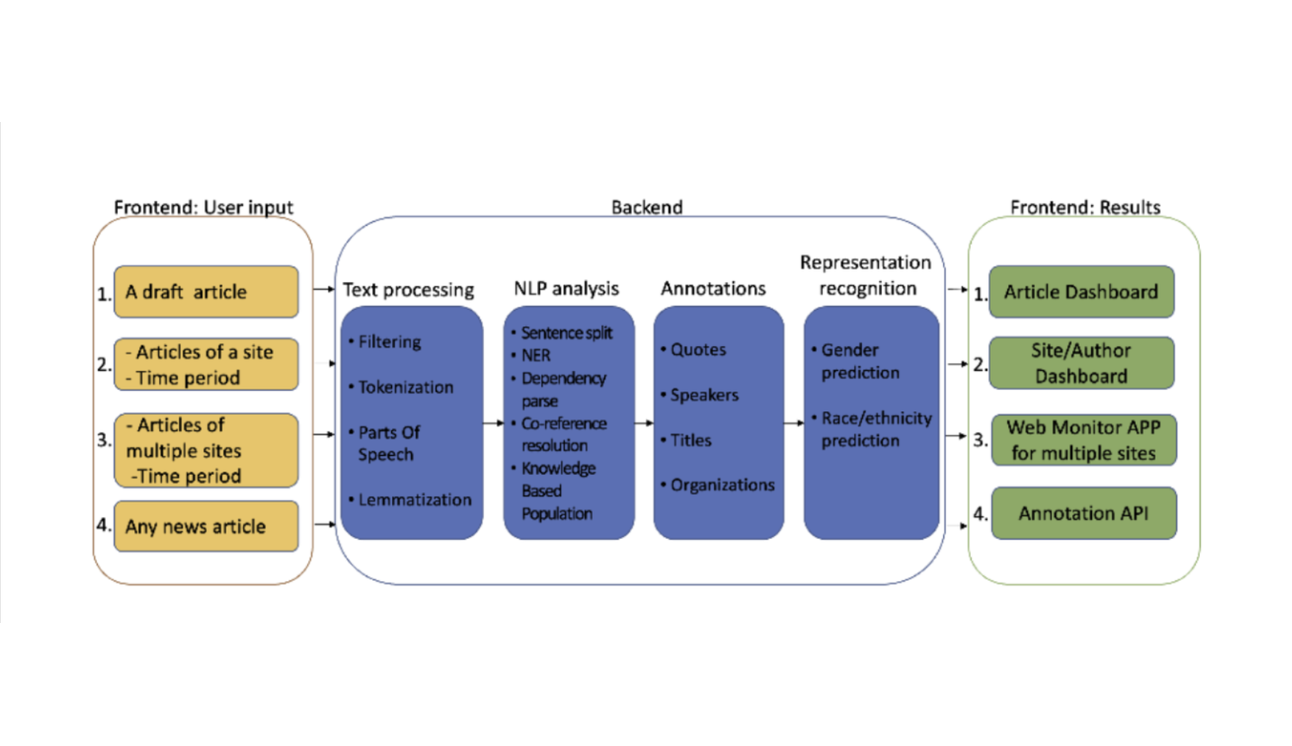
DIANES: A DEI Audit Toolkit for News Sources
Uses WAVE-powered data pipelines to analyze news sources and measure diversity in who is quoted and represented in journalism, helping newsrooms improve source diversity at low cost.
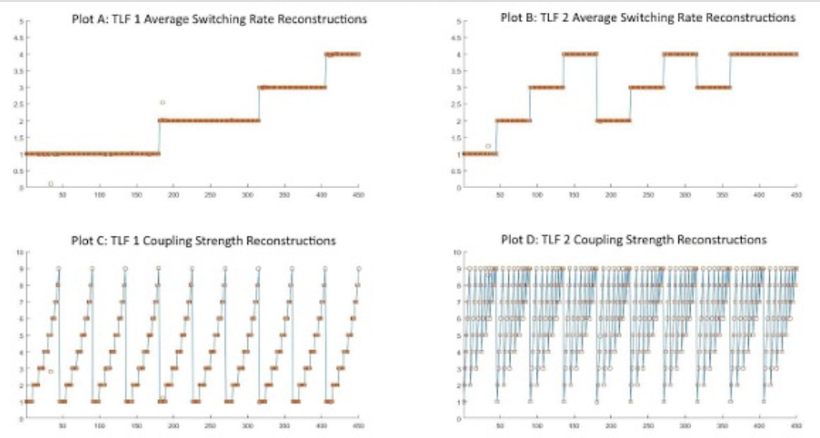
Reconstructing Two-Level Fluctuators Using Qubit Measurements
Uses WAVE's HPC resources to run large parallel simulations that reconstruct two-level fluctuator noise in qubits, helping identify noise sources in quantum computing systems.
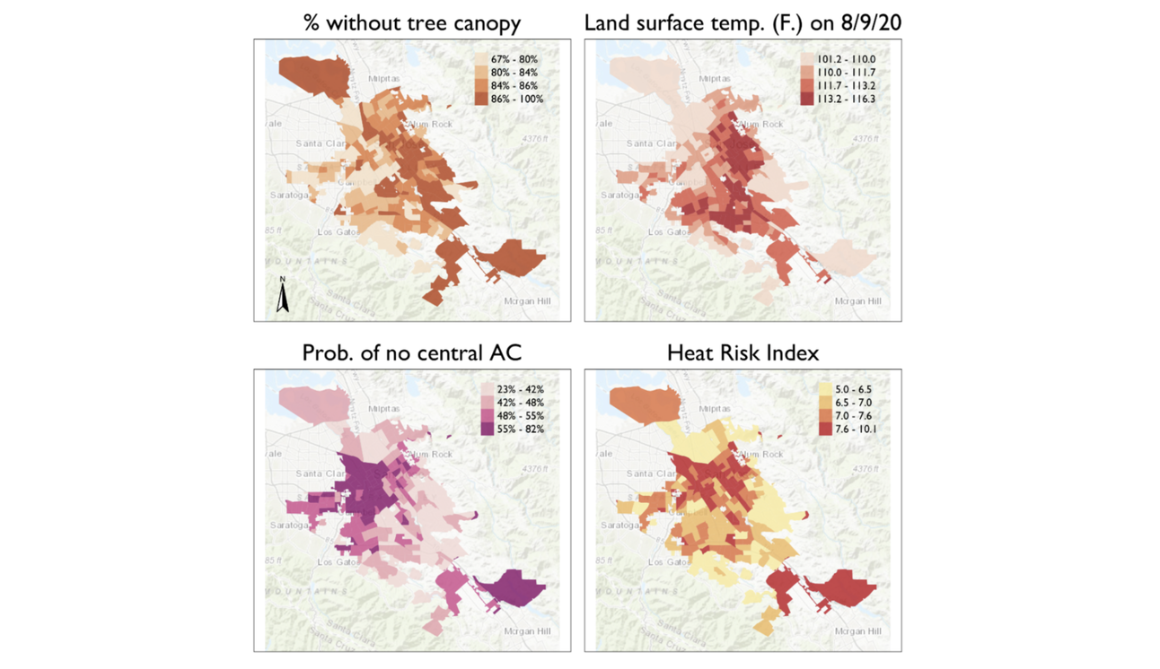
Housing and Urban Heat: Assessing Risk Disparities
Analyzes how housing type and neighborhood factors shape heat risk in San José, finding higher exposure in multifamily rentals and communities of color.
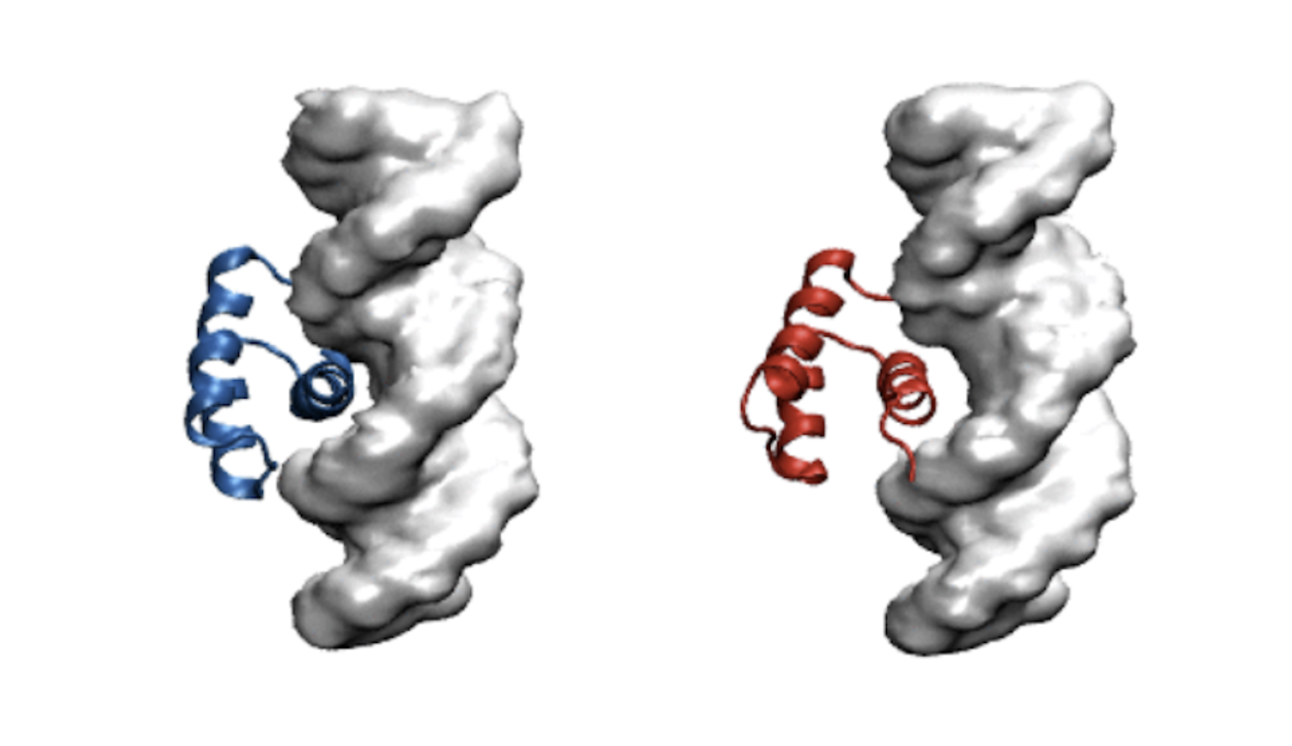
Molecular Modeling of Protein-DNA Interactions
Researchers use WAVE's computational resources to simulate protein-DNA interactions, predicting binding strength and protein stability in challenging environments.
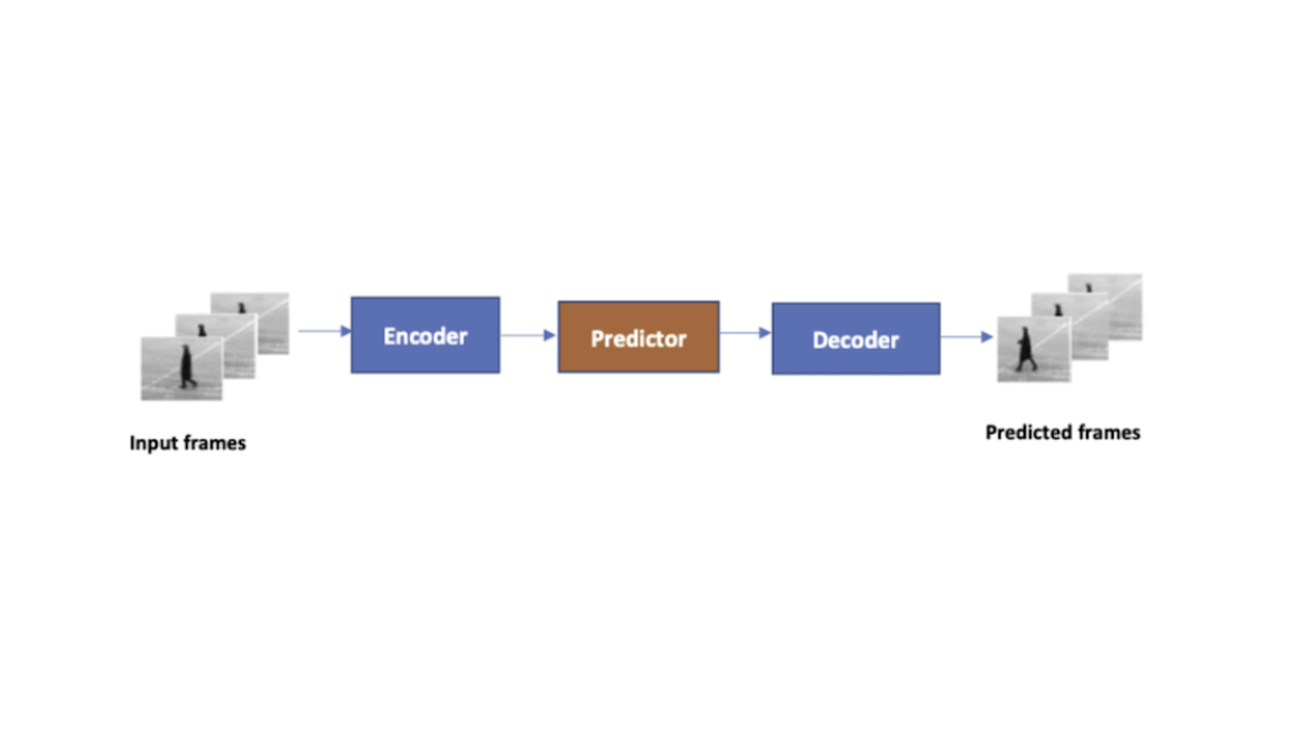
Deep Learning Approaches for Video Prediction
Combines transformer-based architectures with CNNs and LSTMs to predict future video frames efficiently on resource-constrained devices.