Barbara O'Brien
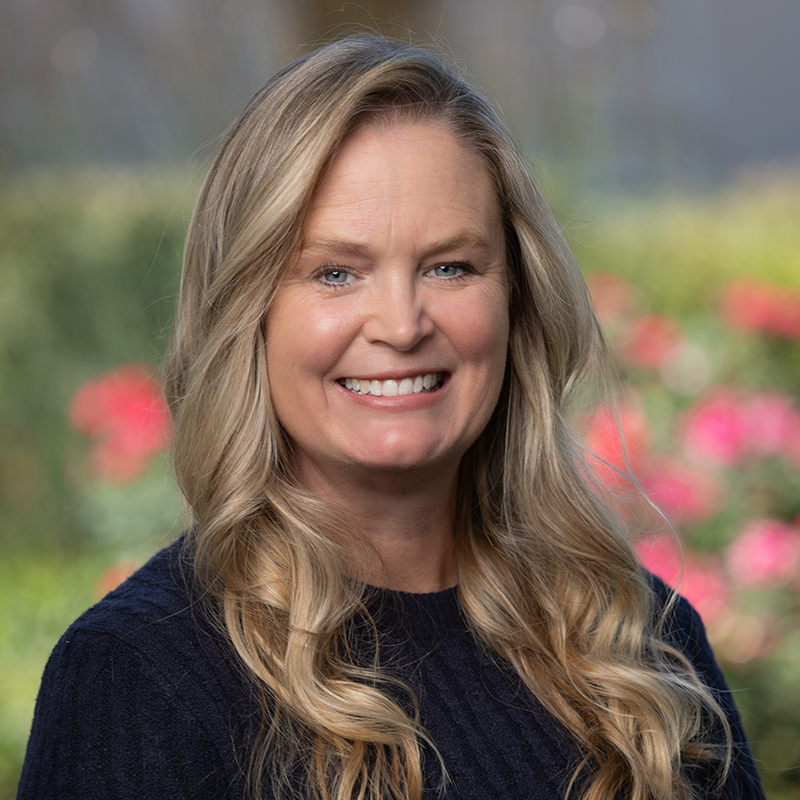
Barbara O'Brien
Guided by the social-interactionist theory of cognitive development from Rogoff (1990) and Vygotsky (1978), I believe learning is a process that begins with expert members of the community scaffolding interactions with active learners. Additionally, my teaching methods are deeply informed by principles from cognitive psychology, particularly those related to learning and memory. In all of my courses, I integrate research findings from the scientific community on learning and memory into teaching practices fostering durable learning for all students. Beyond the classroom, I also mentor students in research which deepens their understanding of course concepts, but also equips them with valuable tools for their future careers.
- CHST 6: Information Literacy
- CHST 11: Quantitative Research Methods and Statistics
- CHST 12: Qualitative Research Methods and Statistics
- CHST 100: Advanced Writing for Research in the Social Sciences
- CHST 104: Child Advocacy
- CHST 114: Parenting
- CHST 181: Senior Capstone I
- CHST 182: Senior Capstone II
- PSYC 1: General Psychology I
- PSYC 2: General Psychology II
- PSYC 160: Personality and Affective Science
- PSYC 172: Adolescent Development
- PSYC 185: Developmental Psychology
- PSYC 178AT: Advanced Topics in Developmental Psychology: Parenting
- ⭐PSYC 185EL: Developmental Psychology - Teach developmental psychology while launching a new service-learning initiative, leveraging deep expertise in child development, learning sciences, and civic engagement. Fostered community partnership with local elementary schools.
Research
My research reflects my interest in how cognitive development occurs and is influenced by collaboration with others. With a focus on children’s memory and literacy skill development, my work bridges basic research and applied issues as it is designed to identify how knowledge and skill develop through the impact of social interaction. I also explore this issue in my research on parent-child book reading, in which I have taken a detailed look at child and family factors that contribute to literacy skill development. In the future, I would like to extend these efforts through interventions, which are geared toward not only influencing children’s growth, but also increasing parental awareness of how they may directly influence their children’s development.
Recently, I have been collaborating with Dr. Laura Doyle in the School of Engineering. Specifically, bringing her expertise in STEM education pedagogy and my expertise in cognitive development together, we seek to use Ignatian pedagogy to advance the long-term impact of STEM experiences to children in elementary and middle schools by (a) creating mobile engineering design opportunities that leverage the impact of informal learning contexts through an emphasis on empathy, social justice, human centered design; (b) include high school students as guides for the program to increase their own exposure to STEM and serve as role models for elementary school participants; and (c) bridge connections between the classroom and informal learning to school families and communities in need.
You can find out more about me here:
You can find out more about my research here: