Theatre alum builds memorable halftime shows with technical design skills
Joey Brennan ’09 has always enjoyed the hands-on, behind-the-scenes work that transforms a live show from concept to reality. In high school, he built sets and designed lighting for school plays, experiences that sparked his interest in production and led him to study theatre arts at Santa Clara University.
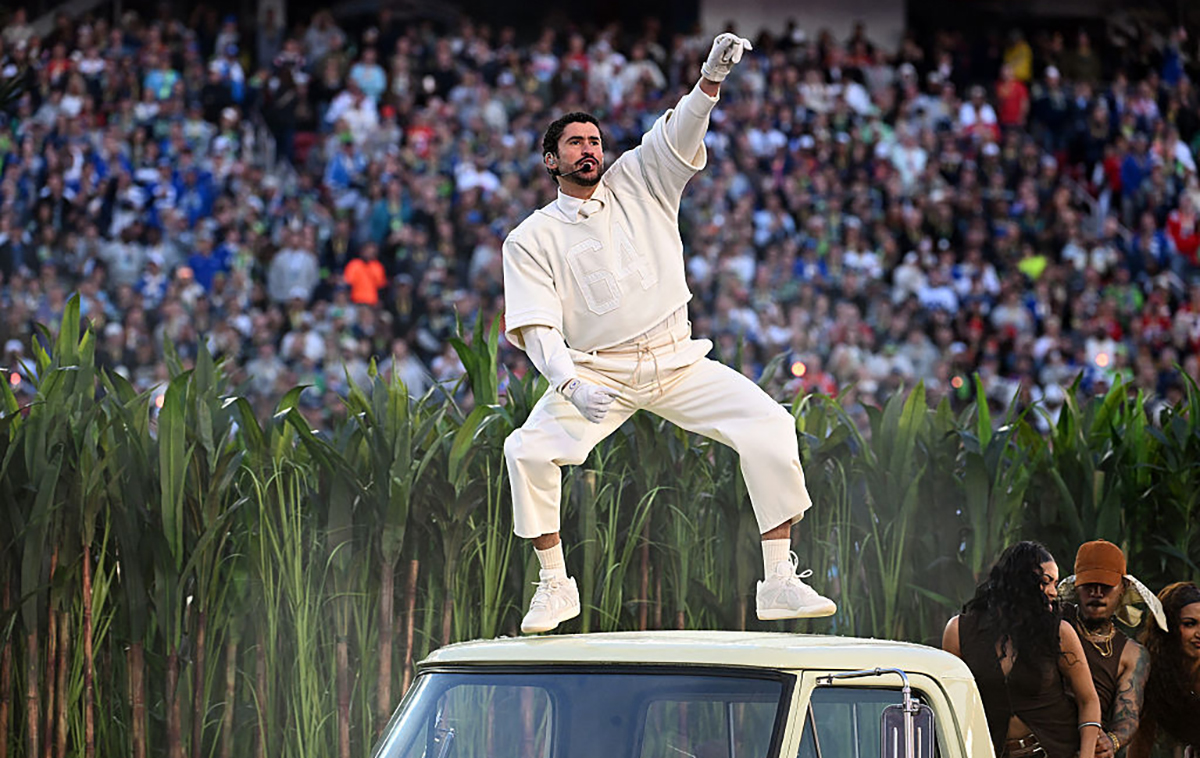
For the past eight years, Brennan has brought that passion to All Access, a full-service production company that designs and builds staging for the entertainment industry. As a technical designer and account manager, he has planned and executed a wide range of major live events, including this year’s Super Bowl LX halftime show. For Brennan, a successful show goes beyond the magic that happens on stage—the unseen work that supports the final product is just as essential.
“Technology, bands, and performers come and go, but what remains consistent is the audience. From the first campfire story to a world tour selling out a 70,000-seat venue, there’s always a group of people collectively engaging in something they enjoy,” Brennan explains. “That is something that can’t be replaced, so there will always be a need for people backstage, dressed in black, loading equipment in and out, and supporting the show.”
Brennan does exactly that, helping turn on-stage performances into iconic, memorable moments by managing logistics backstage and tracking the countless details involved in running a smooth production. We spoke with Brennan about his work on these large-scale events and how his time at Santa Clara helped prepare him for his career.
Why did you decide to study theatre arts at Santa Clara University?
When I toured Santa Clara, I walked into the theatre building with my parents and accidentally interrupted one of the acting classes. The professor, Aldo Billingslea, was gracious enough to stop class and point me in the right direction to speak with other professors and staff. The design and technical professors answered all of my questions about the program, and Bob Steiner, the theatre technician at the time, gave me a tour of the entire space, from the grid to the scene shop. So many people were willing to stop what they were doing to tell me about the program. This told me a lot about the culture of the department.
I came from a Jesuit high school, so continuing at Santa Clara was a natural extension. When I was a student in the theatre department, there were two Jesuits professors and I think their background added a lot to my overall education. Their lessons of compassion, empathy, and social justice continue to influence what I do and how I approach people today.
How did your education at Santa Clara prepare you for a career that blends creativity with technical production?
At Santa Clara, I trained as a lighting designer and took just about every technical or creative class offered. While I don’t actively use my design background very often in the creative sense of “what should this look like,” I constantly use the skills I learned in the theatre department when collaborating with designers, technicians, and performers in my daily work. My training at Santa Clara taught me that no one person creates any show. Every project is one of teamwork and compromise. This idea was core to my education and experience in the SCU theatre department.
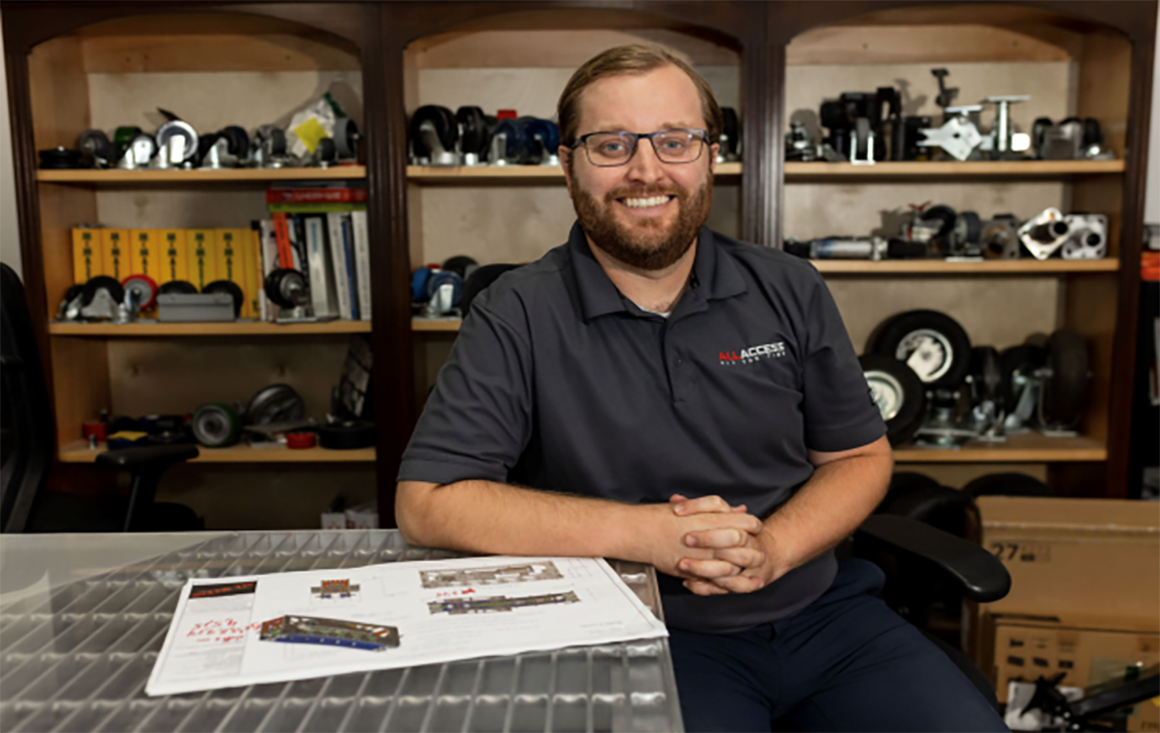
I’ve been fortunate enough to learn a lot about event production from people who are absolute experts in their craft and field. Along the way I’ve been a carpenter, welder, project manager, technical designer, department manager, and worked in account management and sales. I started as a technical designer at All Access, working in the CAD department, designing and drafting both custom fabrication and rental projects. In my current role, I am the account manager and I work with various clients to coordinate the accounting, legal, and paperwork side of each production’s design. A couple times a year, I also coordinate between the many groups that make these events happen as the onsite lead.
What does your work look like in the weeks leading up to the Big Game?
For a large-scale halftime show, we arrive about three weeks before game day and work almost every day to deliver, assemble, rehearse, and service the equipment we’ve produced all the way up to show day, and then load everything out once the event is over. We bring a crew of 18 fabricators, technicians, staging supervisors, and electricians to site each year, along with a mobile shop of equipment for service and repair of all the scenic units that we build. We support other departments (lighting, sound, video, pyrotechnics, etc.) to integrate their equipment into our scenery. Part of my job onsite is to gather all the requests from different groups, delegate the various tasks to our team, and coordinate call times, breaks, schedules, and deliveries.
Overall, my role is largely one of logistics—making sure we have the gear, equipment, and people in the right place at the right time so that we can meet the needs of the production and our clients. That could mean going over manifests for trucking delivery, coordinating travel and background checks, or answering questions from the design team about how we can solve an issue or incorporate a new idea. I make sure I can support our crew in any way I can, even if that means filling in for a team member who may unexpectedly be unavailable at the last minute.
On the day of the show, it’s mostly a matter of check, check, and double-check. By this point, everyone knows their role so I coordinate between our team, our clients, and the many other departments involved to make sure everything is good to go by showtime.
When you reflect on some of the shows you’ve worked on, what about the experience feels most exciting for you?
I don’t have a single favorite moment, but I will say that the opportunity to be involved in a production of this scale from start to finish is unique and exciting. It’s also hard, stressful, and exhausting. There is, however, always a moment—usually near the final rehearsal—where the stage is set, the lights are up, the sound is going, and the performers are in a groove, when I realize, “Hey, we pulled it off.” And that, along with knowing that people will love the show, is a great feeling.

The Department of Theatre and Dance celebrates the creativity of the human spirit, offering a well-rounded education that emphasizes academic rigor, artistic discipline, and creative expression.