College of Arts and Sciences Homepage
Department of
Anthropology

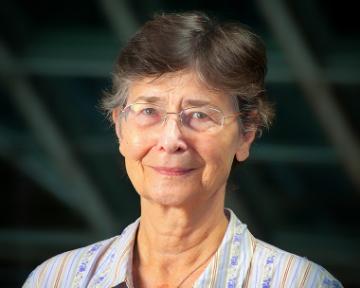
Mary Hegland

Mary Hegland

Mary Hegland

Professor Emerita

Mary Elaine Hegland's field work has been in the Middle East and South Asia: Iran, Turkey, Pakistan, Tajikistan, and Afghanistan. She has also worked among Iranian Americans in the Bay Area of California and involves students in research projects among people of Iranian and other Middle Eastern backgrounds in the Santa Clara area. Dr. Hegland’s publications deal with the Iranian Revolution of 1978-1979; women and gender in religion and politics in Iran; change and continuity in an Iranian village; and women and gender in Shia Muslim rituals in Pakistan. Currently, Dr. Hegland is conducting research about aging and the elderly in Iran and among Iranian Americans in California’s San Francisco Bay Area. She also plans to study women and gender and family hierarchy and dynamics as related to aging and the elderly in Tajikistan. Professor Hegland retired in June 2020.

Courses

In the News

NBC News interviewed Professor Tsay about the spike in gas prices due to the Iran-focused armed conflict, and whether announced releases of sovereign oil reserves will help.

Watch the video interview that aired on the 6 pm broadcast on 3/11/2026:

https://www.nbcbayarea.com/video/news/local/will-released-oil-reserves-help-gas-prices/4050442/ 

(video could be archived at any point)


This benchmark provides news feed product designers, journalism researchers, news organizations, and AI model developers with performance metrics for evaluating LLM capabilities in analyzing sourcing of news stories at scale.

One of the biggest misconceptions in college is that you need to know exactly what you want to do right away. In reality, the truth is that most people don’t, and that’s completely okay.

Instead of putting pressure on yourself to have everything figured out, I’d recommend to focus on being intentional about learning who you are. Take time to understand your strengths, your weaknesses, and what genuinely excites you. When you are honest with yourself about your interests and passions, those insights naturally start guiding your career exploration.

One of the most valuable things you can do during this process is talk to people. Reach out to professionals, alumni, professors, and even older students, not necessarily to ask for a job, but simply to learn. Ask them about their day-to-day work, their lifestyle, where they live, and what they enjoy (or don’t enjoy) about their careers. The more perspectives you gather, the more clarity you will gain. Every conversation adds another piece to the puzzle and helps you feel more prepared when it’s time to pursue internships or full-time roles.

Another important step is starting to build your personal brand early. Your personal brand is simply the story of who you are, what you care about, and what you’re working toward. When you build it authentically, it tends to align naturally with a career path that makes sense for you.

You can develop your brand through self-exploration: choosing a major or minor that interests you, studying abroad, getting involved in research, joining clubs, or pursuing internships. Each experience helps you better understand yourself while also signaling to others what you’re passionate about.

To strengthen that brand, continue having conversations with people who are in roles or industries you see yourself pursuing. Ask thoughtful questions, listen carefully, and take their advice seriously. When you apply what you learn, whether it’s developing a new skill, exploring a new field, or adjusting your goals, you gradually build both confidence and direction.

Carving your career path is not about finding the perfect answer immediately. It’s about exploring, learning, and staying curious about where your interests and experiences might lead you next.