Stories
Learning to Look Closer
A campus archaeology tour helps students uncover hidden histories and rethink the spaces they pass every day.
By Kate Vander Vort ’27
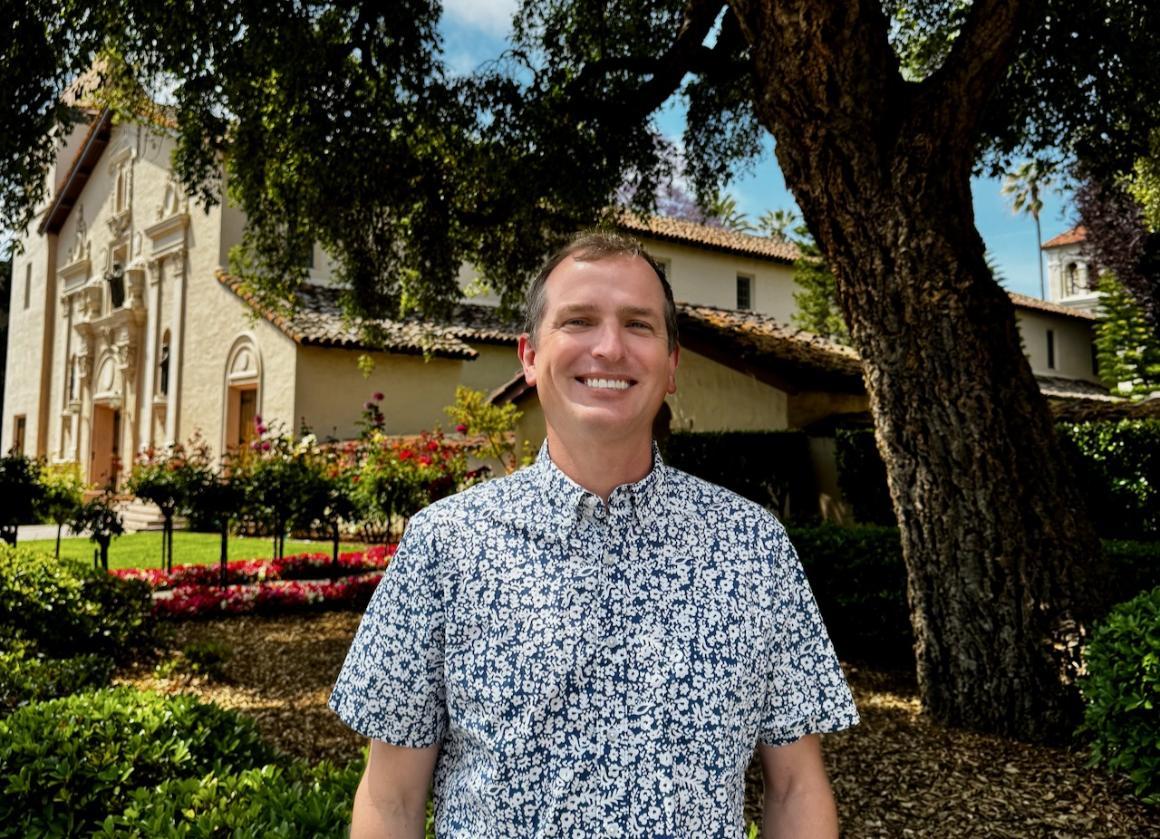
At Santa Clara University, the campus is more than a place to study, live, and hang out with friends. According to Lee Panich, Fay Boyle Professor of Anthropology, it is also a site filled with stories that stretch back thousands of years.
Panich has been leading campus archaeology tours since his early years at Santa Clara. What started as a way to engage students in his Intro to Archaeology class quickly became something bigger.
“I was amazed by all the archaeology that had been conducted on our campus,” Panich said. “A lot of that work happens behind the scenes, so I wanted to share my excitement and show students that archaeology is everywhere.”
Today, the tour introduces students to the layers of history beneath their feet, from the mission period to early university life and far beyond. One of the most surprising facts for many students is that a 2,500-year-old Ohlone village sits beneath the center of campus, with even older settlements nearby.
But the experience goes beyond just uncovering artifacts or historic sites. Panich emphasizes that anthropology is about learning how to see and listen differently.
“Part of anthropology is paying attention to everyday details,” he said. “It is about noticing what is around you, but also listening to the perspectives of others.” Panich also encourages students to think about the stories behind those details. “Places like Santa Clara are not just physical spaces. They carry histories and meanings that are still important today,” he said.
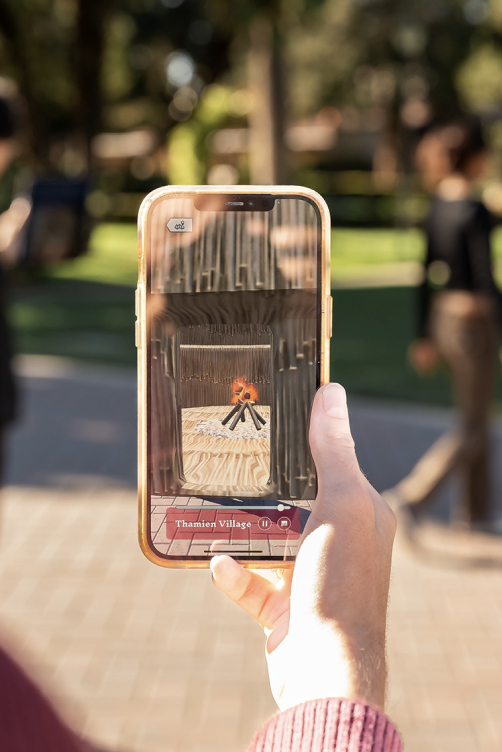
Those histories are not only Santa Clara’s to tell. Panich and others in this space work closely with local Indigenous communities. Through collaborations with the Muwekma Ohlone Tribe and the Ohlone Indian Tribe, students are encouraged to understand the deeper cultural meaning of the land they walk on every day. The Thámien Ohlone Augmented Reality Tour, for example, was created by a collaborative group of faculty, students, and members of the Muwekma Ohlone Tribe. It allows users to experience campus history through the lens of the Ohlone people, and gives tribal members space to share their own stories and perspectives directly with students.
For students, the impact of the archaeology tour is both academic and personal. Archaeology brings together science, history, and storytelling, showing how different disciplines connect. It also encourages students to think about their role in the places they live in and care about.
I hope students realize they are stakeholders in the heritage of this campus and in their own communities.
This kind of hands-on, place-based learning reflects a larger approach within the Anthropology Department. “A lot of people think anthropology only happens in distant places,” Panich said. “But we show students that it can help answer questions right here in our own communities.” Rather than focusing only on distant field sites, faculty work on community-based projects throughout the Bay Area, giving students accessible opportunities to participate in research during the academic year.
These experiences not only build practical skills but also help students connect with local communities in meaningful ways. For many, it changes how they think about anthropology and its relevance to everyday life. What may look like a typical college walkway or quad can reveal layers of history, culture, and meaning once students know how to look. And once they do, everyday spaces on campus begin to take on new meaning.