February 5 - June 13, 2026 (closed March 14-30)
Jonathan Calm’s joint exhibition at Santa Clara University, entitled Archives of Absence and Sites of Passage, traces intertwined histories of erasure, memory, and mobility across the American landscape. Through photography, video, embroidery, and installation, Calm reflects on the politics of travel and belonging, revealing how beauty and exclusion coexist within the same terrain.
The de Saisset Museum presents Archives of Absence, expanding Calm’s investigation into landscapes of displacement and disappearance. The Ghost Ship photographs imagine the Phantom Ship island in Oregon’s Crater Lake morphing into a sailing vessel, at once a metaphor for migration and memory, as well as a spectral echo of the transatlantic slave ship. In the series Drown Town, embroidered photographs memorialize communities erased by dam construction, their submerged geographies made visible again through the deliberate act of stitching. The process recalls Roland Barthes’s notion of the punctum, the detail in a photograph that wounds the viewer and makes the past feel immediate. Nearby, Calm’s cyanotype grids depict hurricanes, storms that disproportionately devastate marginalized communities across the United States.
In the series Sundown Town, embroidered photographs trace the borders of exclusionary towns once hostile to Black travelers and residents. Surrounding these works is road signage, which transforms the gallery into a site of remembrance.
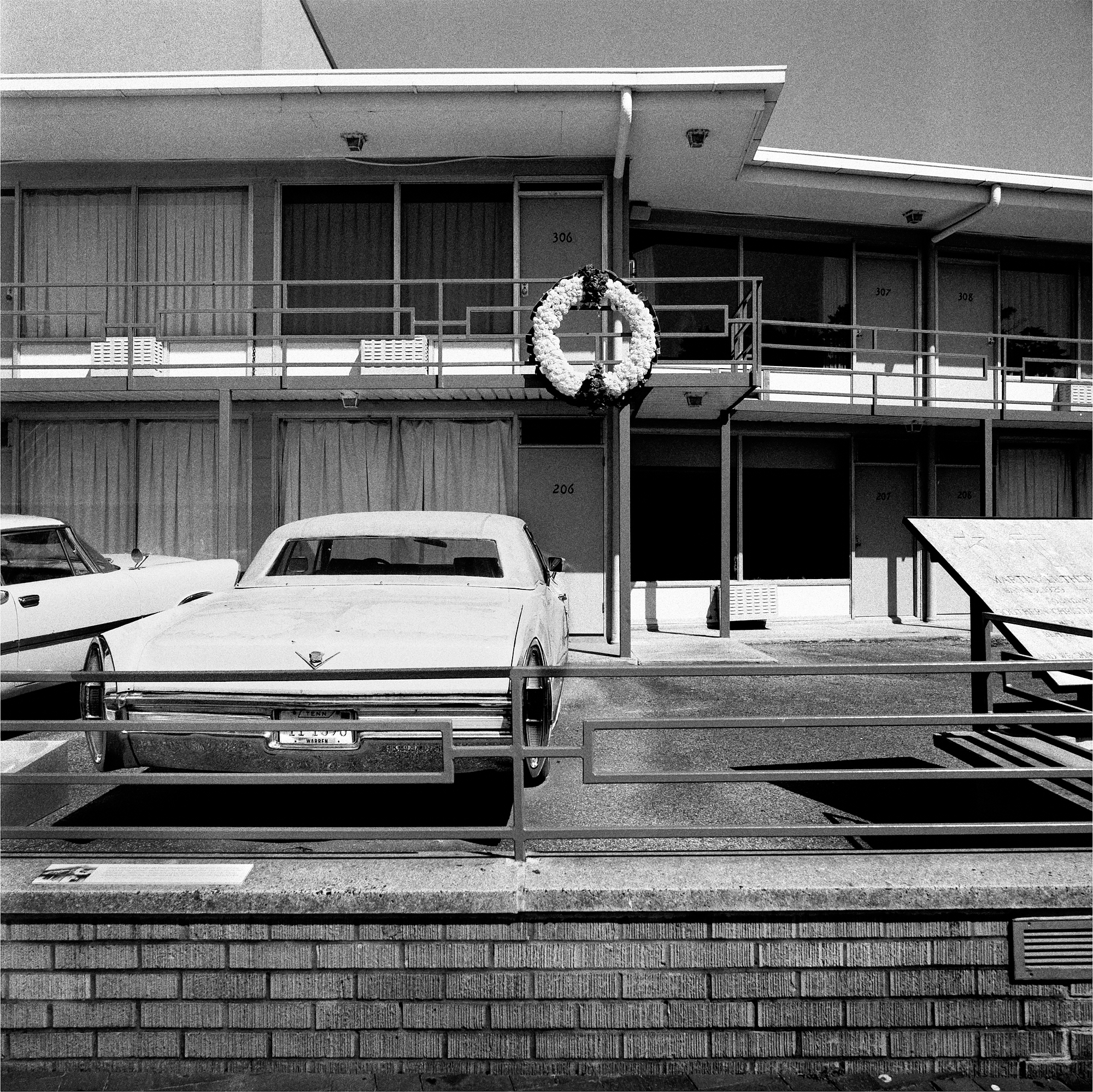
At the Art & Art History Department Gallery, Sites of Passage revisits locations listed in the Negro Motorist Green Book, the early to mid-twentieth-century guide that provided safe havens for Black travelers during an era of racial exclusion and restricted access across the United States. In the series titled Travel is Fatal to Prejudice, Calm juxtaposes the promise of the open road with the ongoing violence that shadows it. Each image of a target bears the name of a victim of police brutality, linking contemporary racial injustice to the historic conditions that made the Green Book necessary. The exhibition also features video works from Calm’s Dashboard Archive, filmed from inside a pickup truck as he drives toward former Green Book locations. These quiet, meditative journeys collapse time and turn the road trip into both pilgrimage and testimony.
Together, Archives of Absence and Sites of Passage map an America shaped by fragments and absences, forming an archive of what endures and what has been submerged. Calm invites viewers to consider how histories of exclusion linger in the landscape, and how the act of travel itself can become a form of witnessing.
Sites of Passage, Art & Art History Department Gallery: January 5 – February 20, 2026
Archives of Absence, de Saisset Museum: February 5 – June 13, 2026
Jonathan Calm’s To Wherever, Forever: Archives of Absence & Sites of Passage is curated by Dr. Ciara Ennis, Director & Chief Curator, de Saisset Museum, with Pancho Jiménez, Professor, and Ryan Carrington, Professor and Gallery Director, both from the Department of Art & History, Santa Clara University.
Jonathan Calm is also Santa Clara University's fourth Lucas Artist Fellow of the Montalvo Artist Residency Program in collaboration between SCU’s Department of Art and Art History, the Montalvo Arts Center, and the de Saisset Museum.
Pictured: Jonathan Calm, Green Book (Lorraine Motel), 2016. Archival Pigment Print, 20" X 20"
Courtesy of the Artist and Rena Bransten Gallery
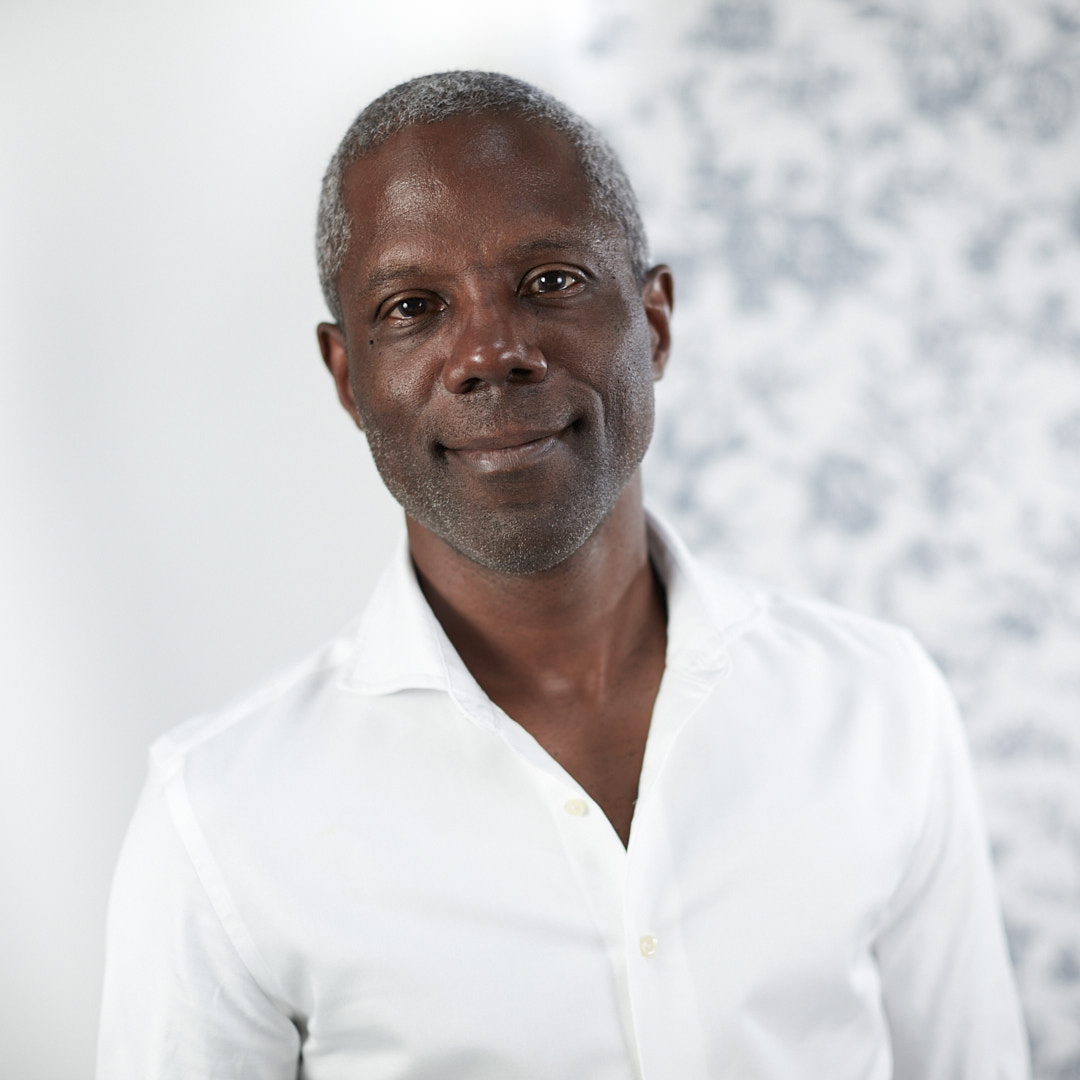
Jonathan Calm
Born and raised in Brooklyn, New York, Calm was shaped by the density and rhythm of the city. When he joined the faculty at Stanford University in 2015, the vast expanse of the American West with its open skies, mountains, deserts, and long highways was largely unknown to him. Encountering its sublime beauty, he became aware of both the freedom of movement and the fraught legacies that continue to shape who can move freely across this land. His exploration of the West evolved into a personal and historical inquiry, considering what it means to travel through spaces that have offered refuge to some while denying access to others.