Water and Climate Justice
Water and Climate Justice
Through Santa Clara University’s Water and Climate Justice Lab, we conduct research with community and academic partners to improve access to safe water in California’s Central Valley and Central America, where water resources are threatened by contamination and climate-induced drought. We collaborate with communities to determine the extent and nature of climate disruption, and to plan and create sustainable water systems and green spaces. We also support local partners to build climate resilience by developing mitigation and adaptation plans and projects that ensure communities will remain liveable as the climate warms.
Contact: Iris Stewart-Frey
Projects
- Improving Water Quality and Access to Safe Water in California’s Central Valley and Central Coast
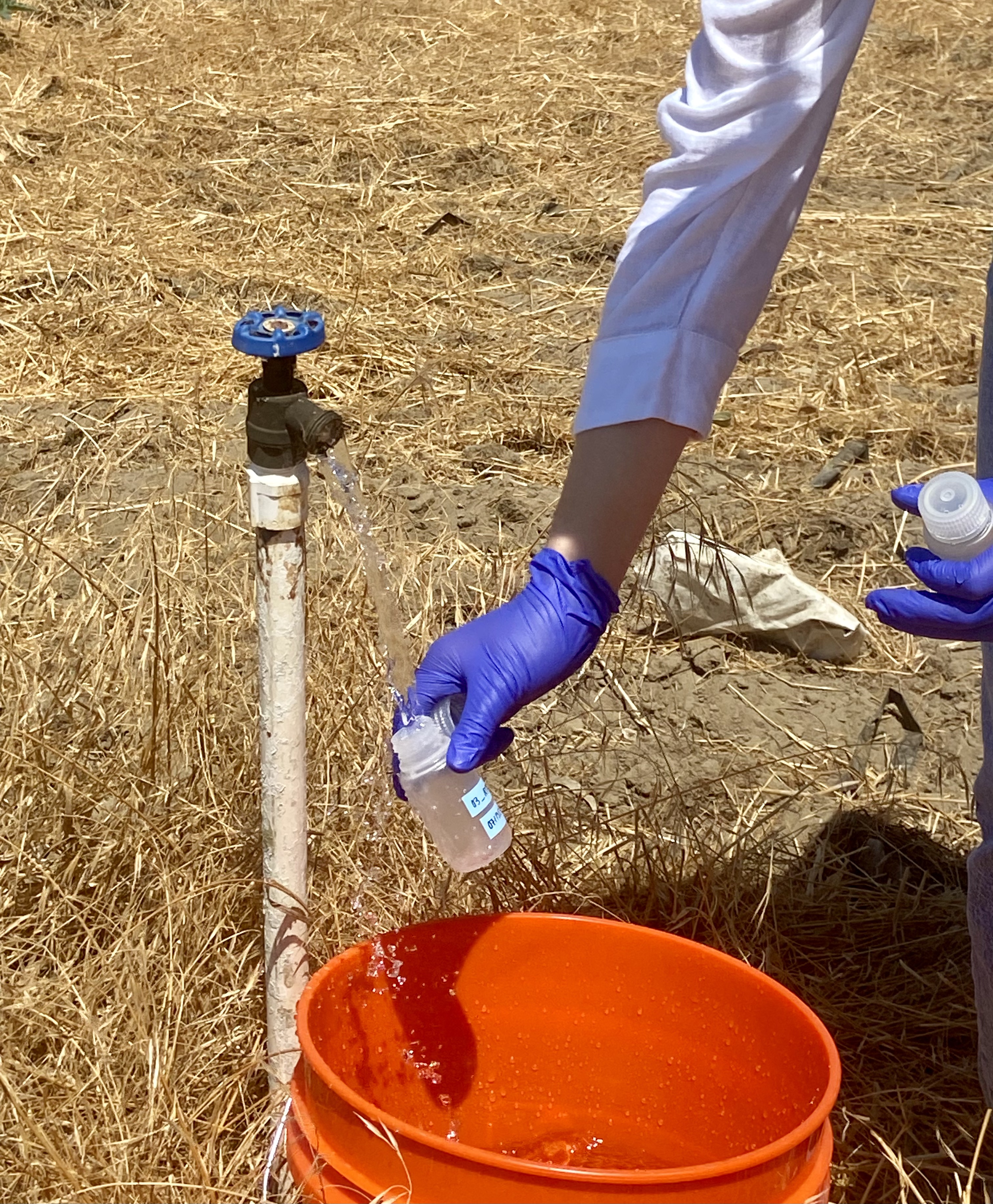
This project involves multiple collaborative studies in California to strengthen disadvantaged communities’ improved access to clean water under severe drought and climate change, and to address water contamination by nitrates, uranium, pesticides, and other pollutants. We provide expertise, analysis, public comments, and other support to our community partners, empowering them to advocate for greater consideration of environmental justice in the regulatory process (including the state’s CV-SALTS process, Ag Order 4.0, and the Dairy Order), and ultimately contributing to a more just, resilient and sustainable water system.
Image: Stephanie Davis
SCU Participants: Iris Stewart-Frey, Jake Dialesandro, Aria Amirbahman, William Rush, and multiple student co-authors
Partners: California Rural Legal Assistance, Community Water Center, Yosemite Rivers Alliance, Catholic Charities of Stockton, Valley Improvement Projects, Leadership Council for Justice and Accountability, Environmental Law Foundation, Natural Resources Defence Council, Monterey Waterkeeper, California Coast Keeper Alliance
Funder: CalEPA, Environmental Justice Data Fund, Rose Foundation, Markkula Center for Applied Ethics, Clare Boothe Luce Foundation
For more information:
- Overview of projects
- Water watch: How Santa Clara University’s Water and Climate Justice Lab helps clean water flow in rural communities
- Toward the human right to water: The effectiveness of stakeholder processes to control regional shallow groundwater contamination by nitrates.
- Standing up for clean water and against nitrate contamination in the San Joaquin Valley
- How does nitrate end up in San Joaquin Valley Water wells? A brief animation
- A fight for clean water in the Central Coast: A StoryMap
- Equity in the Distribution of Water Under Climate Change in California’s Central Valley
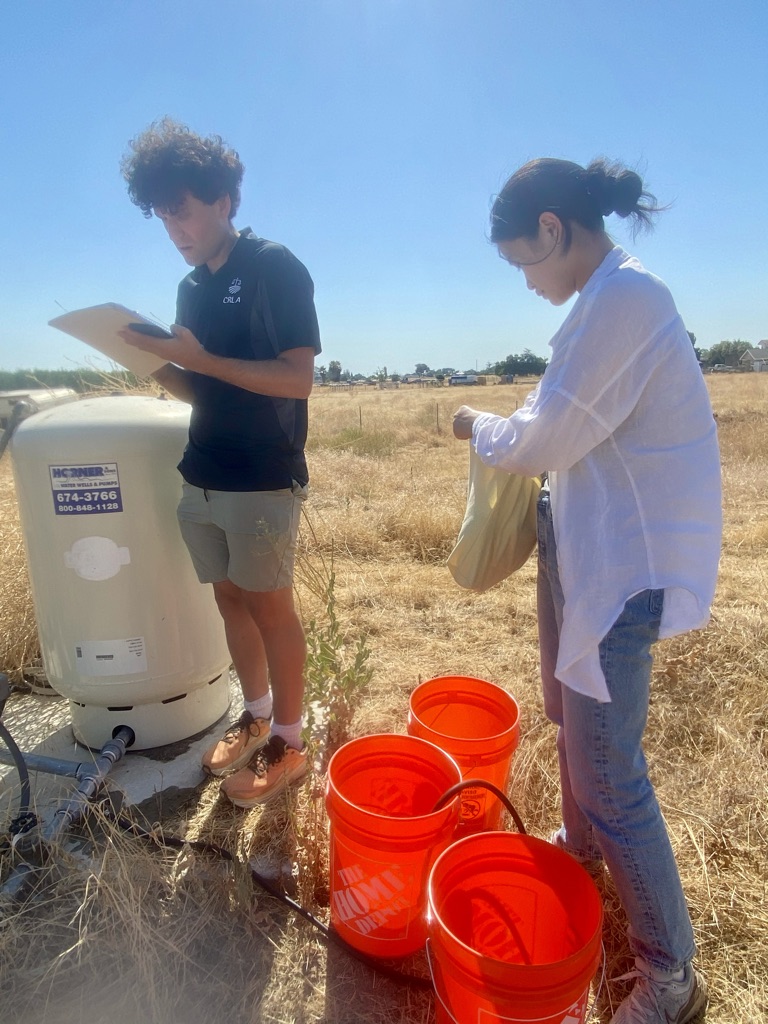
This project examines the equity implications of water allocation under climate change in California’s Central Valley, focusing on how shifting water availability affects different communities and agricultural stakeholders. It integrates statistical modeling with social and environmental justice frameworks to assess who bears the costs and who benefits from evolving water management policies.
Image: Andrew Schatz
SCU Participants: Iris Stewart-Frey and multiple student co-authors
Partners: California Rural Legal Assistance, Yosemite Rivers Alliance, Catholic Charities of Stockton, Valley Improvement Projects
Funders: CalEPA, Markkula Center for Applied Ethics, Clare Boothe Luce Foundation
For more information:
- Testing Domestic Wells for Nitrates and Heavy Metals in Underserved Agricultural Communities
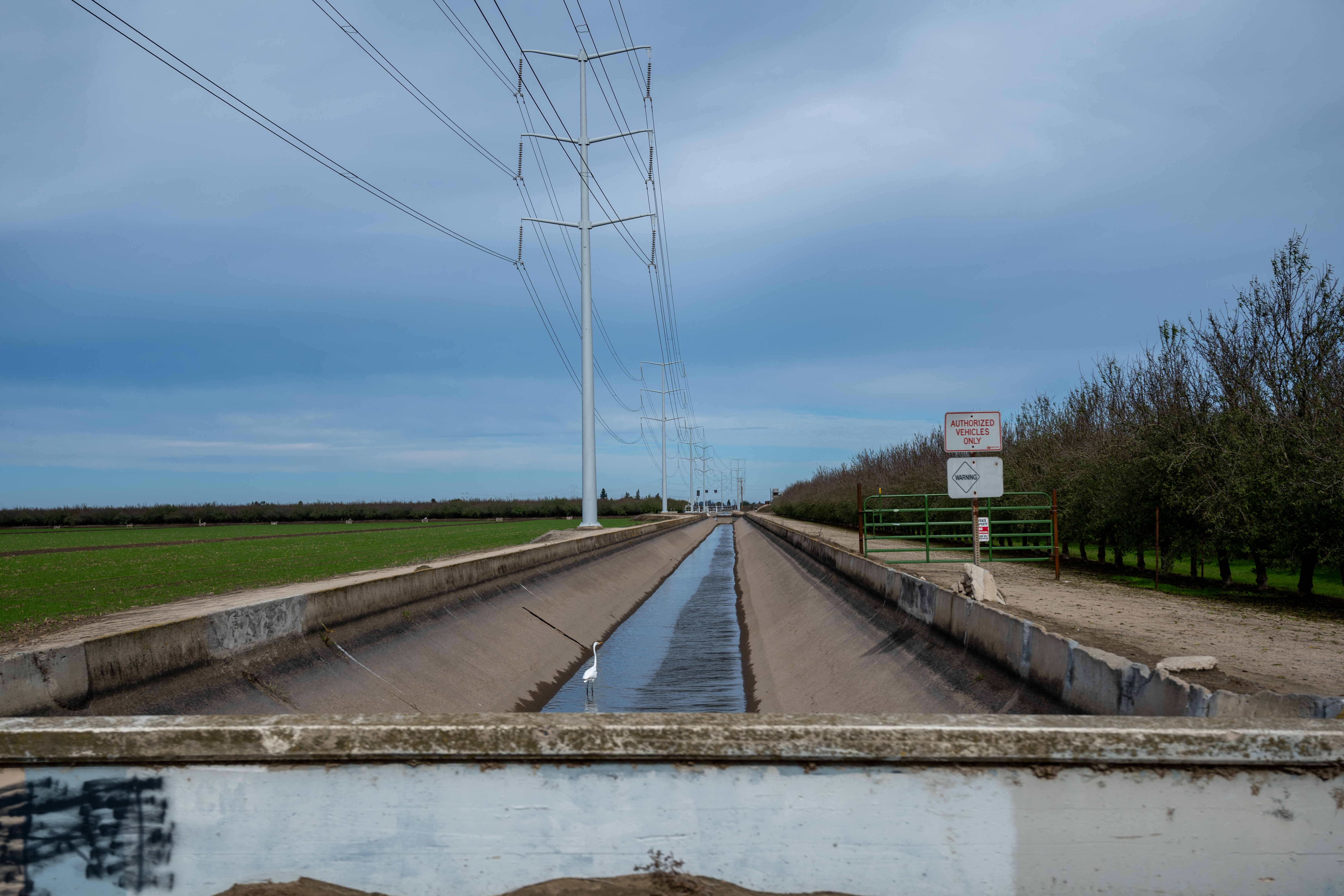
We support our community partners in investigating the temporal and spatial gaps in domestic well testing across California’s Central Valley and Central Coast, where agricultural nitrate and heavy metal contamination pose ongoing risks to historically marginalized communities outside of community water systems. Many wells are tested only every few years, despite evidence that contaminant levels can fluctuate seasonally, leaving residents uncertain about the safety of their drinking water. By examining these gaps, the study highlights the urgent need for more frequent and consistent well monitoring and sustainable solutions to ensure equitable access to safe water and support environmental justice.
Image: Stephanie Davis
SCU Participants: Iris Stewart-Frey, Jake Dialesandro, Aria Amirbahman, William Rush and multiple student co-authors
Partners: California Rural Legal Assistance, Community Water Center
Funder: CalEPA, Rose Foundation, Clare Boothe Luce Foundation
For more information:
- Overview of project
- Assessing the safety of drinking water with one data point? Domestic well users in the Central Valley (California) are at risk of high nitrate exposure through limited sampling processes
- Community-driven and co-produced water informatics to address vexing nitrate contamination under drought for Central Valley's (CA) EJ communities
- Lip service on the advancement in water equity and justice in California's Central Valley with the implementation of the CV-SALTS program
- Strengthening Water Security under Climate-Induced Drought in Central America
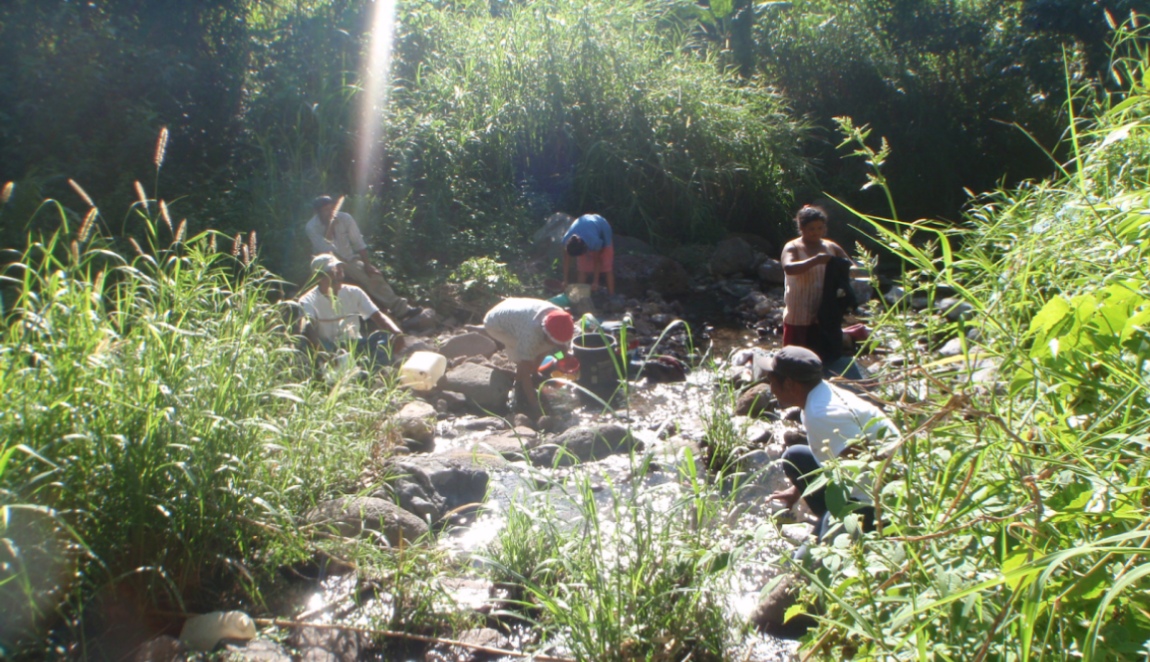
This long-term body of collaborative work seeks to further understanding on drought and climate disruption in Central America and supports smallholder farming communities in developing strategies for adaptation and sustainable water use. We have conducted community-based climate change research in Central America, mapped water sources, and measured flow, and sought to make the results accessible to the smallholder farming communities most affected by climate impacts.
Image: Ian Abbott
SCU Participants: Iris Stewart-Frey, Ed Maurer, Allan Baez Morales, Raul Diaz, Qiuwen Li, and multiple student co-authors
Partners: Raul Díaz and Helen Hernández Blandón (CII-ASDENIC), Alcaldía de Condega, Nicholas Roby (Stanford University), Kerstin Stahl (University of Freiburg), Hugo Hidalgo (University of Costa Rica)
Funders: National Science Foundation Geography and Spatial Sciences (Grant Number BCS 1539795), DFG (German Research Foundation) grant STA 632/6-1, Freiburg Institute of Advanced Studies (FRIAS), Clare Boothe Luce Foundation
For more information:
- Overview of projects
- Connecting local hydroclimatic trends to smallholders experiences of climate change in Northern Nicaragua
- Challenges and opportunities in building community-driven adaptive capacity under climate change for smallholder farmers in the Global South
- Including hydrologic impact definition in climate projection uncertainty partitioning: A case study of the Central American mid-summer drought
- Warmer and drier growing seasons in climate sensitive regions of Central America
- Projected twenty-first-century changes in the Central American mid-summer drought
- How have the magnitude and frequency of extreme climatic events changed for smallholder communities in Northern Nicaragua?
- Climate Change and water management workshop with Nicaraguan farmers
- Recent changes in the mid-summer drought
- msdrought - seasonal mid-summer drought characteristics: a Github R package
- A Mobile App to Support Climate Adaptation in Northern Nicaragua
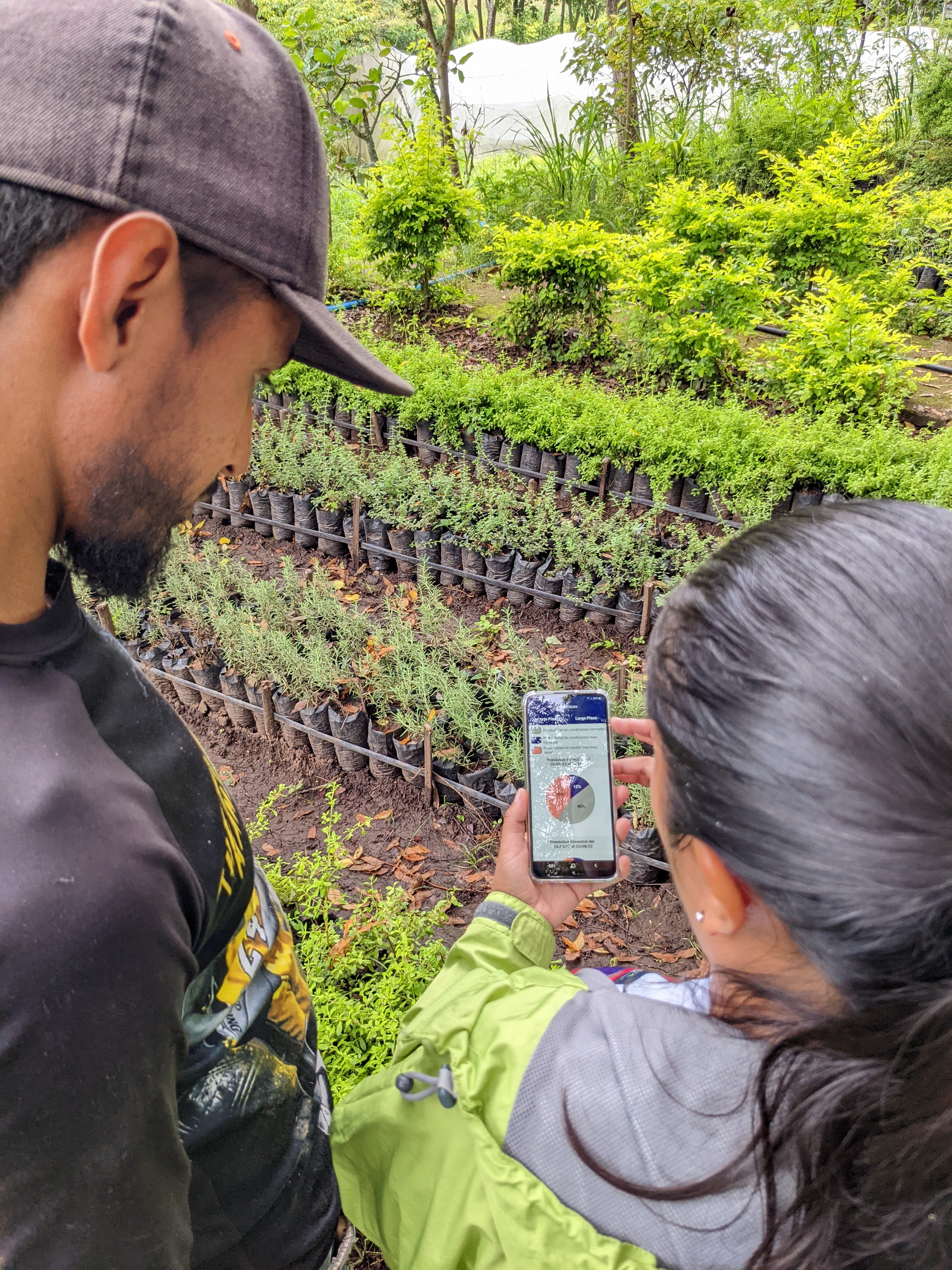
Smallholder farmers in Northern Nicaragua face significant vulnerability to climate variability, as most rely on rain-fed agriculture and cultivate marginal lands that are highly sensitive to changing weather patterns. In several focus groups, farmers consistently highlighted the critical challenge of accessing timely and accurate climate information to guide decisions about planting, irrigation, and harvest management. Addressing this pressing need, the NicaAgua app was developed as a locally relevant tool that provides real-time climate forecasts and decision-support information tailored to these communities. By enabling farmers to anticipate climatic shifts and make informed agricultural choices, the app strengthens adaptive capacity and resilience, supporting both immediate livelihood security and long-term sustainability. The development process emphasizes participatory engagement and local knowledge, ensuring that technological solutions align with the priorities and lived experiences of the farmers they are designed to serve.
Image: Raul Diaz
SCU Participants: Iris Stewart-Frey, Allan Baez Morales, Ed Maurer, Qiuwen Li, and multiple student co-authors
Partners: Raul Díaz and Helen Hernández Blandón (CII-ASDENIC)
Funders: Whitham Foundation, Miller Center for Global Impact, Clare Boothe Luce Foundation
For more information:
- Overview of projects and NicaAgua App
- NicaAgua App - Google Play Store
- Challenges and opportunities in building community-driven adaptive capacity under climate change for smallholder farmers in the Global South
- Building community capacity for climate risk assessments through catalyzing partnerships and a climate forecasting app (NicaAgua) for local decision making
- Making rainfall forecasts available to Central American smallholder communities through participatory and student centered research
- Beyond coding: Human-centered design in computer engineering: lessons from the NicaAgua app
- Food and Water Security in Nicaraguan Farming Communities
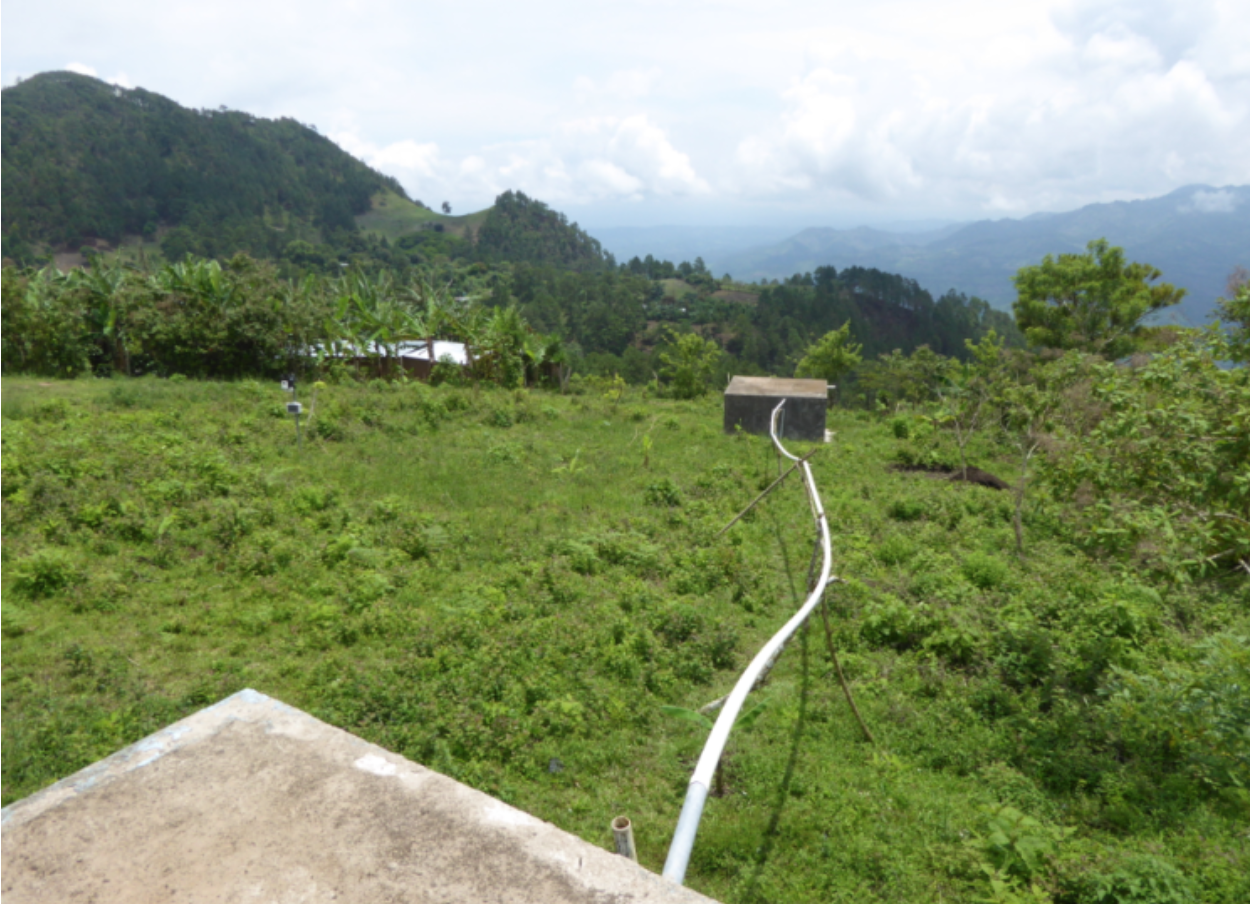
An interdisciplinary team of SCU faculty and students has engaged in a multi-year collaboration with Nicaraguan community organizations to improve food and water security for farming communities hit hard by climate-induced drought, and other environmental and economic challenges.
SCU Participants: Iris Stewart-Frey, Edwin Maurer, Chris Bacon, Raul Diaz, William Sundstrom, Lisa Kelley, and multiple student co-authors
Partner: CII ASDENIC
Funder: National Science Foundation Geography and Spatial Sciences (Grant Number BCS 1539795)
For more information:
- Vulnerability and Climate Resilience to Flooding in Historically Marginalized Communities
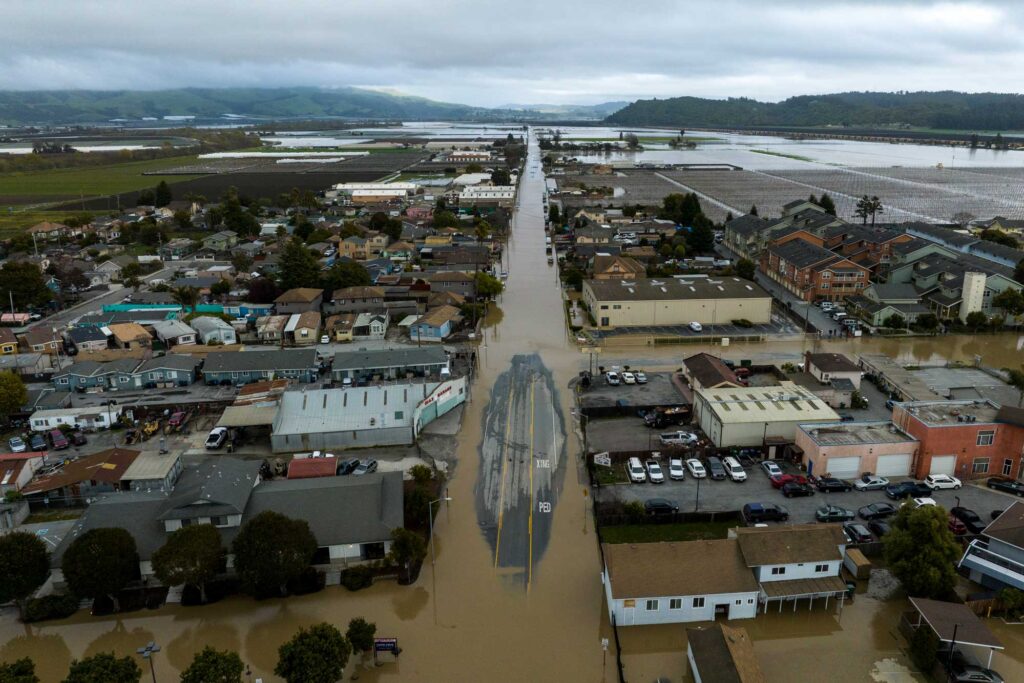
Researchers and community partners collaborated with residents of Pajaro, CA to examine how climate change–intensified flooding disproportionately impacts historically underserved communities living behind levees. Centered on the March 2023 flood and levee failure, the project combined spatial analysis and in-depth interviews to understand the social, economic, and political factors that shaped residents’ experiences of disaster and recovery. Working closely with local families, many of whom are low-income and Spanish-speaking farmworkers, the team developed an environmental justice framework to guide more equitable flood mitigation and adaptation strategies. By integrating community knowledge with engineering and policy considerations, the project aimed to strengthen levee resilience, improve disaster response, and advance fairer protections for vulnerable populations facing increasing climate risks.
Image: Public Policy Institute of California
SCU Participants: Iris Stewart-Frey, Rocio Lilen Segura, David DeCosse and multiple student co-authors
Partners: Community of Pajaro, California Rural Legal Assistance
Funder: Markkula Center for Applied Ethics, Clare Boothe Luce Foundation, Environmental Justice and the Common Good Initiative
For more information:
- Overview of project
- A multidisciplinary approach to understanding vulnerability and building climate resilience to levee failures and flooding in historically marginalized communities
- AI and soft computing in levee risk management: Balancing opportunities, challenges, and social-environmental impacts
- Regional Water Board staff environmental justice training
- Environmental Justice and Water Risk in California’s Data Center Expansion
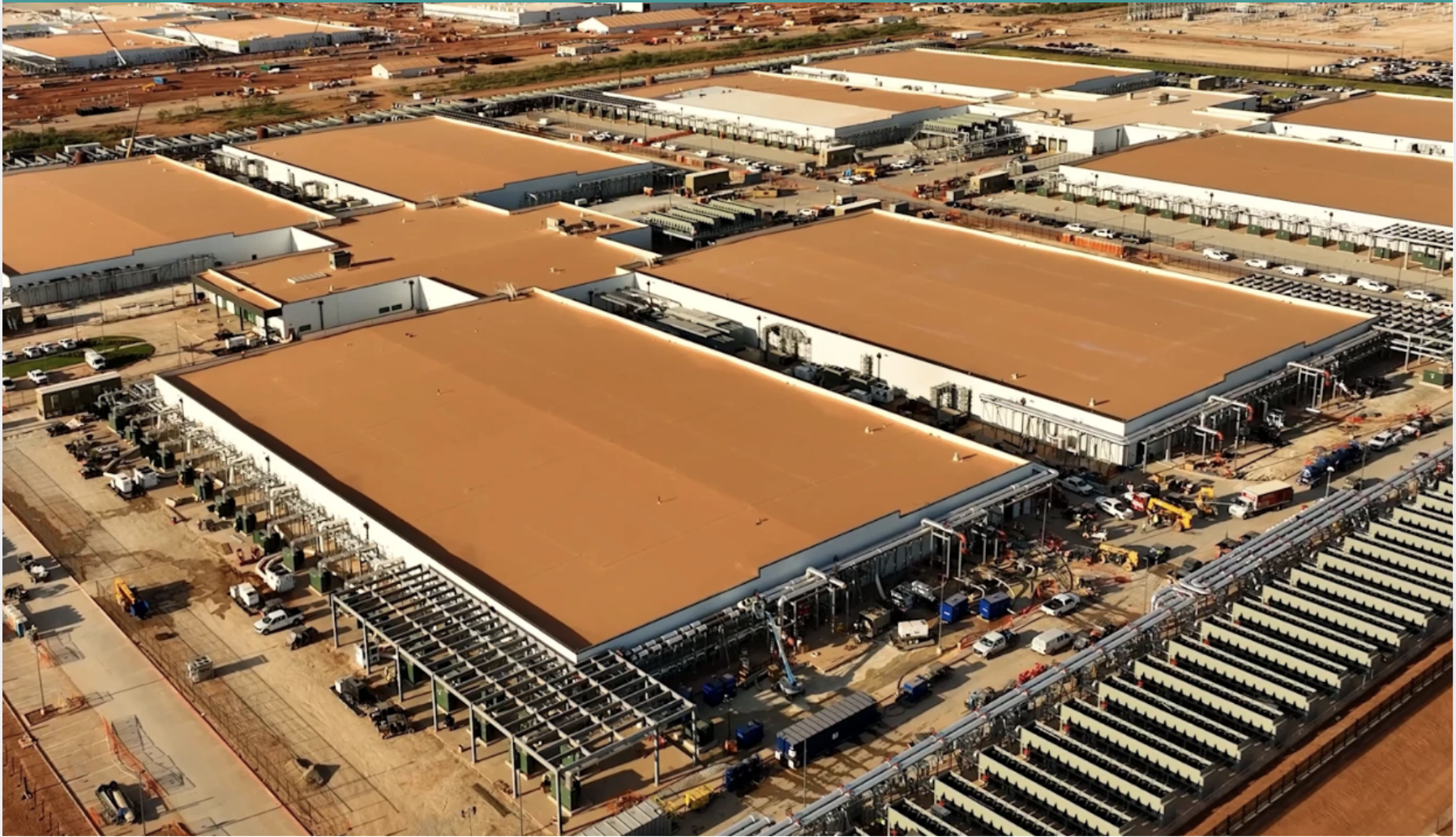
We examined how the rapid growth of data centers across California intersects with environmental justice and water scarcity using community-based case studies. Using a Social and Water Vulnerability Index, the project mapped facilities in established hubs such as Santa Clara County and Los Angeles County, as well as newer sites in more rural and groundwater-dependent regions. The study found that while earlier data centers clustered in major tech corridors, newer and proposed hyperscale facilities are increasingly located in communities facing higher poverty, pollution burdens, and climate-sensitive water supplies. Limited transparency around actual water use and environmental review raises concerns about cumulative impacts. By centering environmental justice, the project offers tools to guide more equitable and water-resilient planning for digital infrastructure.
SCU Participants: Iris Stewart-Frey, Irinia Raicu and multiple student co-authors
Partners: Markkula Center for Applied Ethics
Funder: Next10 Foundation, Clare Boothe Luce Foundation
For more information:
- Improving Access to Green Spaces in Modesto, CA
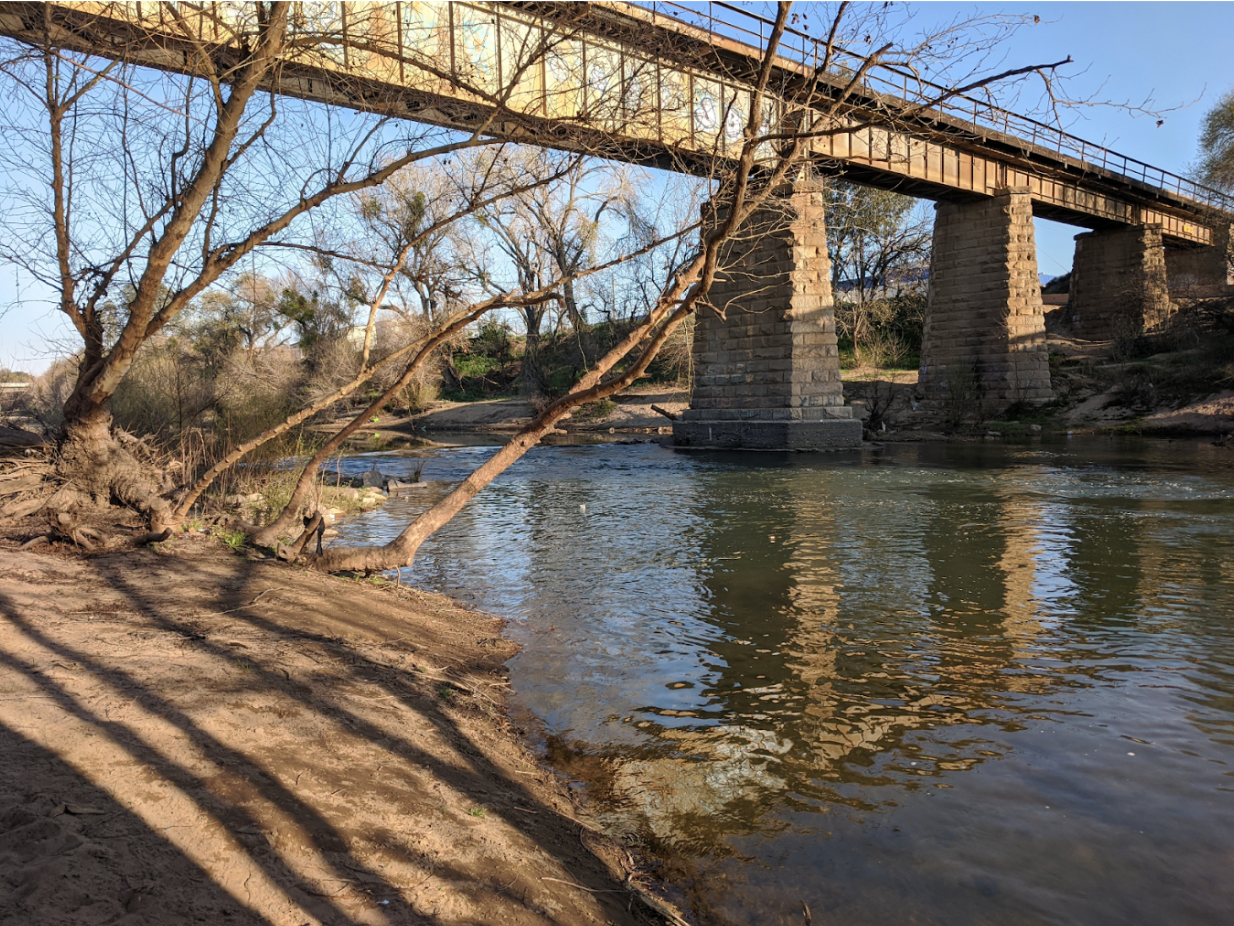
Researchers and community partners engaged the city and residents of Modesto in planning and implementing greater access to green spaces in underserved neighborhoods. One such project is an extension of the Tuolumne River Regional Park at Carpenter Road, a former waste site that has now been cleaned up. Once completed, the park will provide a host of benefits for human and ecosystem health.
SCU Participants: Iris Stewart-Frey and multiple student co-authors
Partners: Yosemite Rivers Alliance
Funder: CalEPA
For more information:
- Strengthening Environmental Benefits for Underserved Schools and Neighborhoods in Silicon Valley
Researchers and community partners investigated the disproportionate impact of environmental burdens and lack of environmental benefits for disadvantaged communities and schools, measured air pollution, and researched mitigation strategies.
SCU Participants: Iris Stewart-Frey, Chris Bacon, and multiple student co-authors
Partners: Washington Elementary School
Funders: Thriving Neighbors, deNardo Foundation
For more information: