World Cup Economic Impact: Revenue and Host City Gains

Key Takeaways
- The World Cup's economic impact is the immediate and long-term value created when visitor spending, local business activity, jobs, tax revenue, media exposure, and future tourism interest extend beyond the stadium into the wider host economy.
- The 2026 World Cup is projected to generate $80.1 billion in global gross output, $40.9 billion in GDP, 824,000 full-time equivalent jobs, and $9.4 billion in government revenue.
- FIFA estimates $13.9 billion in total event-related expenditure for the 2026 World Cup.
Host cities benefit from the World Cup through higher visitor spending, stronger local sales, temporary jobs, useful infrastructure upgrades, and global visibility.
With the World Cup entering its final weekend, the scale of the tournament is no longer a projection. Over the past five weeks, host cities have welcomed supporters through their airports, hotels, restaurants, public transport systems, fan zones, and stadiums, while millions more followed the tournament through television, streaming, social media, and news coverage.
That attention explains why the World Cup’s economic impact gets so much focus. The tournament affects far more than ticket sales, with spending flowing into tourism, hospitality, retail, transport, advertising, media, and local services.
In 2026, the scale is bigger than usual. The tournament is being staged across the United States, Canada, and Mexico, with 48 teams and 104 matches. More games mean more travel, more coverage, and more opportunities for host cities to benefit.
What Is the Economic Impact of the World Cup?
The economic impact of the World Cup is the value created when an already strong tourism market receives a concentrated surge of visitors, spending, media attention, and business activity. It starts with the obvious places: stadiums, hotels, restaurants, bars, airports, and public transport. But the effect moves much further, reaching retail stores, nightlife venues, local suppliers, media, tourism boards, workers, and governments through higher sales, job creation, tax revenue, and future visitor interest.
The longer-term value comes after the crowds leave. A World Cup puts host cities in front of millions of viewers through broadcasts, fan videos, social media, tourism coverage, and international news. For cities that are not always the first stop for international travelers, that exposure can reshape how they are seen. It can support future tourism, business relationships, and investment interest even after the final whistle.

So, the World Cup's economic impact is not limited to what happens inside the stadium. It is the immediate lift in local earnings, the jobs and tax revenue created around the event, and the lasting value of showing host cities to the world.
The 2026 World Cup's economic impact
According to FIFA's socioeconomic impact analysis, the tournament is projected to generate $80.1 billion in gross output, $40.9 billion in GDP, 824,000 full-time equivalent jobs, and $9.4 billion in government revenue globally. In the United States alone, FIFA estimates $30.5 billion in gross output, $17.2 billion in GDP, 185,000 full-time equivalent jobs, and $3.4 billion in government revenue.
That impact is already visible at the local level. In Vancouver, for example, the tournament has already become a business event as much as a sporting one. According to the Government of British Columbia, some restaurants and bars have reported match-day sales increases of up to 40%. Sports apparel stores are selling out of Canada jerseys, nightclubs are reporting record sales, tattoo parlors are seeing more fans ask for Maple Leaf designs, and electronics retailers are seeing stronger demand for large TV screens as people gather to watch matches from home.
The same pattern is appearing across U.S. host cities. Visitor activity is raising revenue for hotels, restaurants, bars, transport providers, shops, and entertainment venues. A major tournament does not only bring people into stadiums. It brings them into airports, city centers, fan zones, restaurants, retail districts, and nightlife areas, creating a wider chain of earnings across the local economy.
How the World Cup Generates Money
The World Cup makes money in predominantly two ways. FIFA earns through the global commercial machine around the tournament, while host cities earn through the surge in visitors, sales, jobs, and tourism attention around each match.
FIFA's model is built around a four-year commercial cycle, with the men's World Cup sitting at the center of it. For the 2023–2026 cycle, FIFA has revised its revenue target to $13 billion, a major jump from the $7.5 billion generated in 2019-2022. That makes the 2026 tournament the most commercially powerful World Cup cycle in FIFA history.
FIFA is also registered as a non-profit organization under Swiss law. Its own financial reporting states that it operates as an association under the Swiss Civil Code and must use its reserves for its stated football-related purpose. That status often draws scrutiny because FIFA's revenue is now comparable to major global entertainment and media businesses.
Broadcast and media rights
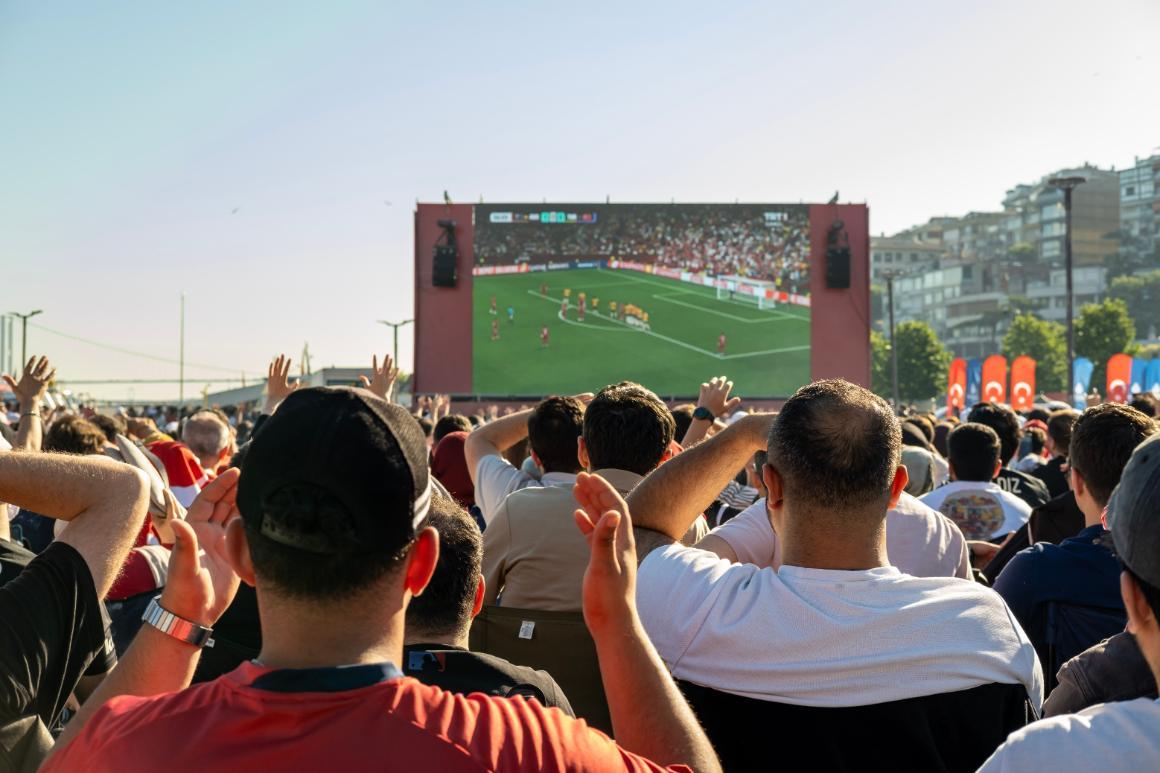
Broadcast rights are FIFA's largest revenue stream because the World Cup is one of the few events that can still gather a truly global live audience. In the 2019-2022 cycle, television broadcasting rights generated $3.426 billion, or 45% of FIFA's total revenue. FIFA also reported that more than five billion people followed the Qatar 2022 tournament across different channels.
For 2026, that value is expected to rise again. The expanded format gives broadcasters 104 matches instead of 64, while the North American host markets offer more commercially attractive time zones for advertisers, media partners, and sponsors. In simple terms, FIFA has more games to sell, more hours of live content, and access to some of the most valuable sports media markets in the world.
Sponsorship and partnerships
Sponsorship turns World Cup attention into brand value. FIFA sells access through a tiered model that includes FIFA Partners, World Cup Sponsors, and Regional Supporters. These packages give brands official association with the tournament, visibility across stadiums and broadcasts, and access to fan experiences.
At Qatar 2022, FIFA sold all available sponsorship packages and generated $1.795 billion in marketing rights revenue across the 2019–2022 cycle. For 2026, FIFA has confirmed that all global sponsorship packages have been sold, covering both top-tier FIFA Partners and FIFA World Cup Sponsors.
The sponsor mix also shows how the World Cup has moved beyond traditional sports advertising. Long-standing brands such as Adidas, Coca-Cola, Hyundai/Kia, and Visa remain central, while technology, banking, aviation, and energy brands are using the tournament to reach mass global audiences.
However, official sponsors are not the only brands that can benefit from World Cup attention. Levi's entered the tournament with an unusual problem: the company held the naming rights to Levi's Stadium, but FIFA's clean-stadium rules meant the venue had to operate as San Francisco Bay Area Stadium, with non-sponsor branding covered throughout the site.
What initially looked like lost exposure became the campaign itself. The coverings placed over the stadium signs still revealed the familiar outline of Levi's batwing logo, and the company carried that redacted design into its social media marketing. Instead of trying to appear as an official FIFA partner, Levi's drew attention to its absence and turned the removal of its name into a recognizable brand moment.
The campaign showed how companies outside FIFA's sponsor network can still participate in the wider conversation around the World Cup. Official rights provide guaranteed access and visibility, but strong timing, existing brand recognition, and a creative response can also generate substantial earned attention.
Ticketing, hospitality, and licensing
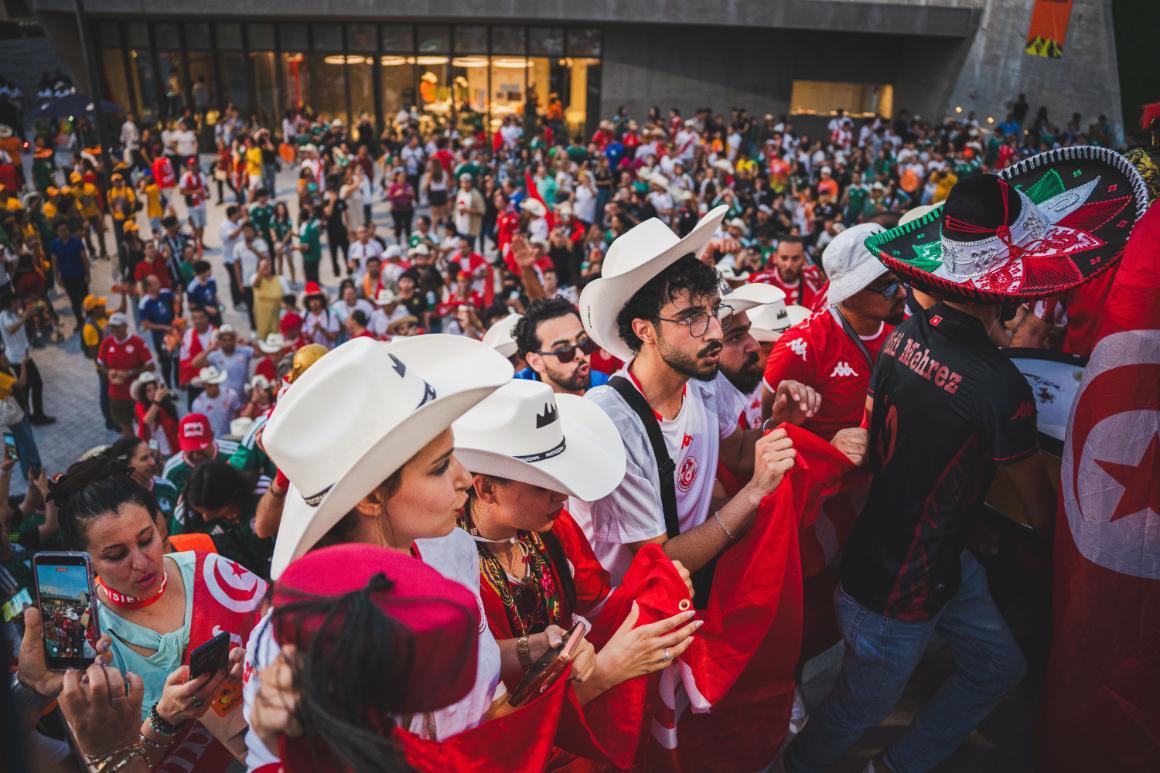
Ticketing and hospitality are where the expanded format becomes especially important. More teams and more matches mean more seats to sell, more hospitality inventory, and more premium experiences across 16 host cities.
FIFA generated $949 million from hospitality rights and ticket sales during the 2019–2022 cycle, with Qatar 2022 accounting for the vast majority of that amount. For 2026, industry reporting expects ticketing and hospitality to rise sharply, helped by the larger match schedule, high demand, and dynamic pricing in North American venues.
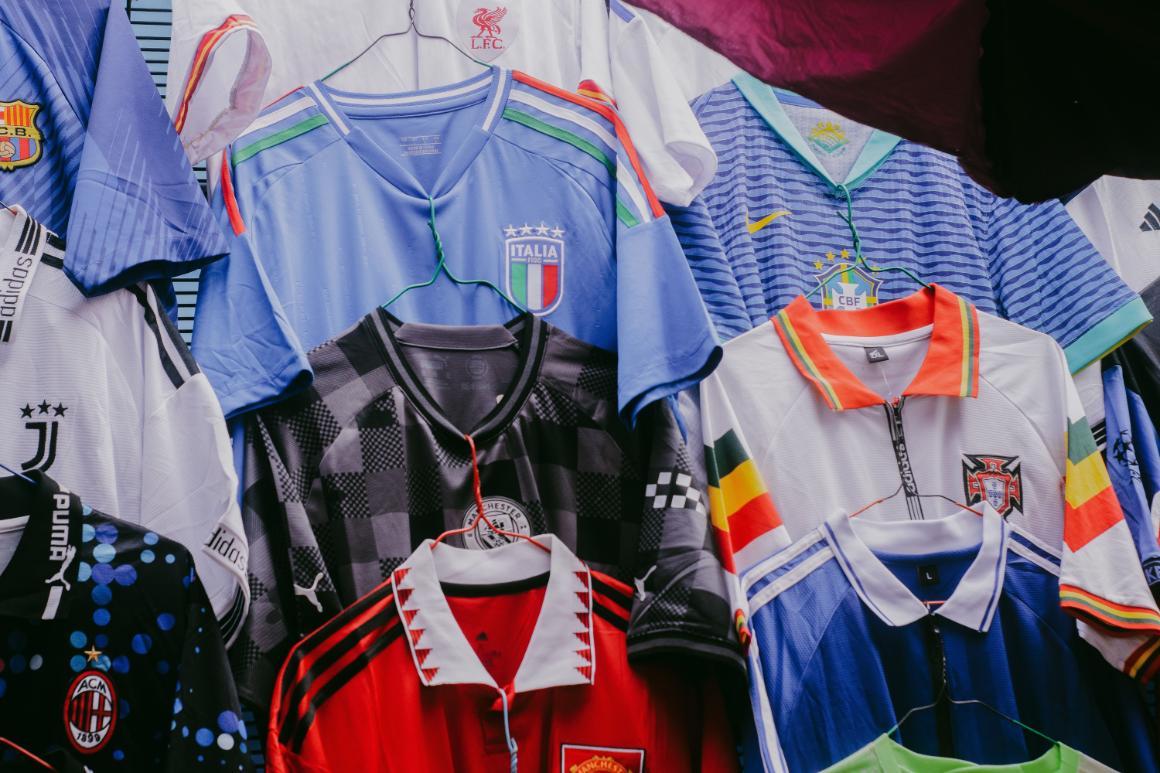
Licensing adds on to it. At Qatar 2022, FIFA ran its largest-ever licensing and retail program, and licensing revenue reached $769 million, up 28% from the previous cycle. For 2026, official merchandise, collectibles, digital products, and retail partnerships give FIFA another way to turn fan attention into revenue beyond the stadium.
How Much Does It Cost to Host the World Cup?
Hosting the World Cup is expensive because the tournament has two sides: FIFA's own operating costs and the host cities' delivery costs. FIFA spends money to stage, manage, promote, and operate the tournament. Host cities and governments spend money on transport, security, public services, fan zones, staffing, venue operations, and infrastructure upgrades needed to welcome millions of visitors.
For 2026, FIFA's socioeconomic impact analysis estimates $13.9 billion in total event-related expenditure across the tournament. This includes:
- $3.8 billion in FIFA expenditure
- $1.8 billion in host city operational expenditure
- $0.9 billion in capital investments
The same FIFA analysis also includes $7.5 billion in tourist expenditure, but that is visitor spending, not a hosting cost.
The U.S. accounts for the largest share because it hosts 11 of the 16 host cities. FIFA estimates $11.1 billion in U.S.-related expenditure, including $2.9 billion in FIFA expenditure and $6.4 billion in anticipated tourist spending. The remaining amount reflects host city operations, capital investments, and related delivery costs.
The important distinction is who pays for what. FIFA's spending supports the tournament itself: match operations, broadcasting, logistics, commercial delivery, staffing, and global event management. Host city spending is more local: policing, transport planning, crowd control, sanitation, traffic management, public viewing areas, temporary infrastructure, and services around stadiums and fan zones.
Capital investment is another part of the cost, but it varies by host. Some World Cups require new stadiums and major construction, which can make costs rise sharply. The 2026 edition is different because the U.S., Canada, and Mexico already have large stadiums and established sports infrastructure. That helps reduce the need for expensive new builds, although host cities still need to spend heavily on operations, security, mobility, and event readiness.
Economic Benefits for Host Countries and Cities
The benefits of hosting the World Cup arrive through thousands of smaller transactions: a hotel room booked for a week, a restaurant table filled before kickoff, a jersey bought on the way to a fan zone, a longer shift for a hospitality worker, or a first-time visitor deciding to come back.
That is why the economic benefit is felt most clearly at the city level. National figures show the scale, but host cities feel the activity in streets, airports, hotels, transport networks, retail districts, and entertainment venues.
Tourism and visitor spending
World Cup visitors tend to be more than ordinary tourists because their trips are built around a major event. They often travel at peak demand, pay higher accommodation rates, buy match-related products, and spend more on food, transport, and entertainment around game days.
Research on the 2002 FIFA World Cup in South Korea found that foreign World Cup tourists spent about 1.8 times as much as ordinary foreign tourists. The same study also made an important distinction: not all visitors during the tournament should be counted as new economic gain, because some would have visited anyway.
Jobs and employment
The World Cup also creates a short-term labor boost. Hotels need more staff, restaurants extend hours, stadiums need event workers, transport systems need extra support, and retailers prepare for heavier foot traffic.
Goldman Sachs estimates that the 2026 World Cup could lift U.S. payroll employment by about 40,000 above trend in June and add another 10,000 in July, with gains concentrated in leisure, hospitality, retail, and transportation. The more honest framing is that many of these jobs are temporary. Goldman expects payrolls to fall by about 15,000 in August after the tournament ends, with further reversals later.
Infrastructure and long-term legacy
Infrastructure is where World Cup economics become more complicated. A project only becomes a legacy if people still need it after the tournament.
Germany 2006 is a stronger example of good planning in regard to World Cup infrastructure because the country already had mature stadiums, transport systems, and rail connections that could serve both the event and everyday life afterward.
The U.S., Canada, and Mexico already have major sports venues. Therefore, the better legacy test is not whether they can host the matches. It is whether improvements to transport, public space, visitor systems, and event operations continue to help residents and businesses after the final.
Global visibility and soft power
The most defensible long-term benefit is visibility. A World Cup gives host countries and cities weeks of global attention through broadcasts, fan content, news coverage, and tourism exposure. That attention can change how people see a place, especially when the experience on the ground is better than the image they had before arriving.
South Africa's 2010 tournament helped shift brand perceptions among visitors, although those gains required follow-up to last. Qatar used the 2022 tournament as a deliberate soft-power and nation-branding project, placing the country in front of global audiences at a scale few campaigns could match.
That kind of value is hard to price precisely. Still, it matters. A successful World Cup can make a city feel more familiar, more visitable, and more relevant to international audiences long after the tournament ends.
The Hidden Costs and Economic Risks
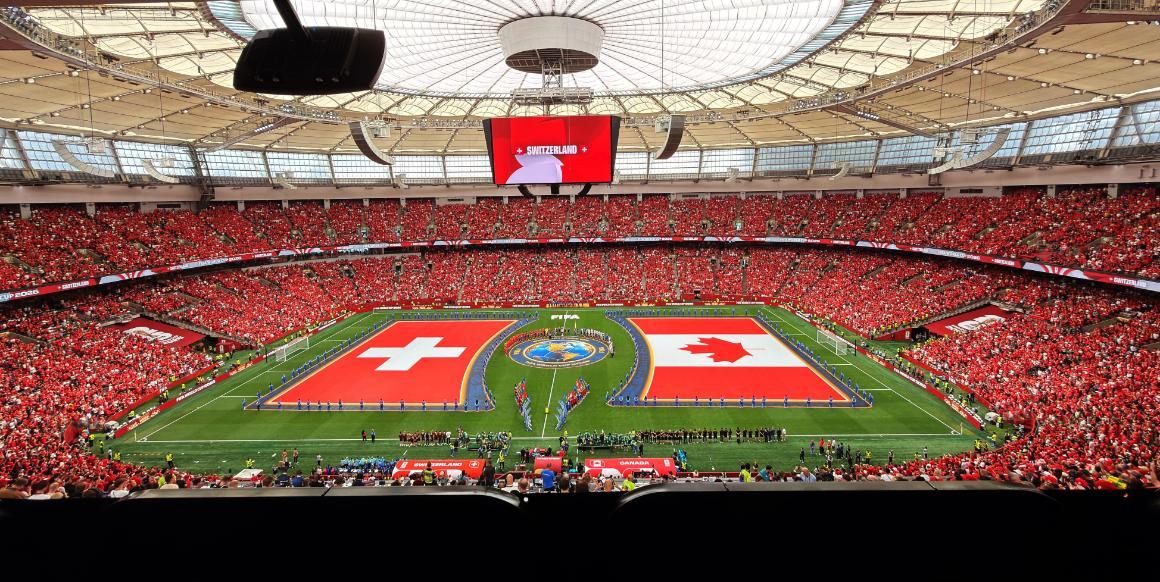
The World Cup can bring major earnings, but not every promised benefit turns into lasting economic value. Some of the money leaks away through:
White elephant stadiums
A white elephant stadium is a venue built or expanded for a major event but left with too little demand afterward. Arena da Amazônia in Manaus is one such example: it hosted four World Cup matches, then became an expensive 44,000-seat stadium in a city without a top-flight club to fill it regularly. The risk is not only the original construction cost, but years of maintenance for a venue that brings in limited revenue.
Displaced tourism and the couch potato effect
World Cup visitors do not always mean pure new spending. Some regular tourists avoid host cities during major tournaments because hotels cost more, crowds are larger, and transport is harder. Some residents also stay home to avoid disruption, reducing normal local spending.
Public subsidies and opportunity cost
Host cities often spend public money on security, transport, stadium upgrades, fan zones, and event logistics. Those costs may be justified if the benefits are clear, but they still raise a basic economic question: what else could that money have funded? Brazil's 2014 economic backlash showed how quickly support can fade when tournament spending is compared with unmet needs in healthcare, education, housing, or public transport.
Overstated economic forecasts
Pre-event impact studies often present the most optimistic version of the numbers. They may count spending that would have happened anyway, ignore displaced tourism, or assume that short-term activity creates lasting growth. Independent economists usually find smaller effects.
Conclusion
The economic impact of the World Cup is not limited to FIFA's revenue or a host country's headline GDP estimate. It is created through a wider system: broadcast deals, sponsorships, ticketing, visitor spending, local business activity, jobs, public services, infrastructure, and the global attention host cities receive. The tournament can deliver a powerful short-term lift, but the strongest results come when cities turn that attention into longer-term value.
That is why the topic of the World Cup and its impact is of interest to anyone looking for a career on the business side of sport. It shows how major events connect commercial strategy with real economic outcomes, from hotel bookings and fan spending to media value, partnerships, city branding, and public return on investment.
Santa Clara University's MS in Sports Business, offered through the Leavey School of Business in Silicon Valley, is built for students who want to work in that world. The program combines business fundamentals with sports-focused education, preparing professionals for careers across sports, media, technology, and entertainment.
For students interested in major events, teams, leagues, brands, or sports media, the World Cup is a strong case study. It shows that sport is not only about what happens during the match. It is also about the strategy, revenue, operations, partnerships, and business decisions that shape the entire industry.
Frequently Asked Questions (FAQs)
Does a host nation's team performance affect its economy?
A strong home-team run can extend local excitement and increase spending on watch parties, merchandise, bars, restaurants, and fan zones, while an early exit may reduce some of that momentum. But team performance is unlikely to decide the tournament's overall economic impact, which depends more on visitor numbers, match locations, infrastructure, tourism demand, and how well the host converts short-term attention into lasting value.
Is the World Cup or the Olympics better for a host economy?
The World Cup can be less risky when hosts use existing stadiums and spread matches across established cities, while the Olympics often require more specialized venues and athlete housing. In both cases, the outcome depends less on the event itself and more on planning, infrastructure reuse, cost control, and long-term demand.
Do World Cups affect stock markets or investor behavior?
Yes, World Cups can affect stock markets and investor behavior, but mainly through short-term sentiment rather than direct economic fundamentals. Research suggests that when a country loses in the knockout stage, its stock market often performs worse the next day because investors become more pessimistic after the national disappointment. The effect does not appear to work the same way after wins, so the overall tournament period can coincide with weaker market performance.
Will the 2034 World Cup in Saudi Arabia repeat past mega-spending?
The 2034 World Cup is likely to involve major spending on stadiums, transport, airports, rail links, hotels, and wider visitor infrastructure. Because Saudi Arabia is hosting alone and tying the tournament to its broader Vision 2030 strategy, the model looks closer to past heavy-build tournaments than the shared 2026 format. The key question is whether those investments create long-term economic value after the tournament.
Does hosting the World Cup raise prices for local residents?
Hosting the World Cup can raise prices for local residents, especially in housing markets where landlords and short-term rental platforms can earn more from visitors than from regular tenants. In 2026 host cities, advocates warned that short-term rental listings had increased by up to 30%, some listings were reaching $6,000 a night, and renters in places like Atlanta were already facing lease non-renewals that they suspected were linked to World Cup demand.
Discover Your Next Step
This will only take a moment.