From the Bench to the Boardroom: Career Paths in Sports Business

When Santa Clara steps onto the court in the NCAA Tournament for the first time in 30 years, most attention will focus on the players and the result. But what happens on the court is only part of the story. Behind it are multiple other teams working across recruiting, analytics, media, and revenue, all contributing to making that appearance possible.
Sport has always been defined by what happens on the court, field, or track. Yet every roster decision, media deal, sponsorship agreement, and fan experience reflects a network of business functions working in parallel. The performance is public. The structure that enables it is less often examined, even though it determines how organizations sustain success over time. For those trying to understand how to get a job in sports business, that distinction matters.
Interest in sport is rarely enough on its own. The industry rewards people who understand how its systems operate and who bring skills that fit into those systems in a clear, applied way. The roles exist. The path into them is less obvious, and it begins with understanding what the industry actually requires.
The Industry Has Changed
The traditional view of sports careers focused on roles that were directly tied to the game: playing, coaching, scouting, or player representation. That view now reflects only a portion of how the industry operates.
NIL, which allows college athletes to earn from their name, image, and likeness, has introduced new layers of commercial activity. Athletic departments, collectives, and agencies now require people who can manage contracts, structure partnerships, and navigate compliance frameworks. The House v. NCAA settlement has added another dimension by introducing revenue sharing, which brings financial planning and regulatory oversight into college athletics in a more formal way.
At the professional level, the structure is just as complex. Analytics departments now resemble those found in technology companies. Media rights are tied to streaming platforms and global distribution strategies. Fan engagement relies on data systems, CRM platforms, and personalized content delivery.
What this means in practice is that sports organizations are not only hiring from within their own ecosystem. They are drawing from the same talent pools as consulting firms, financial institutions, and technology companies.
The Five Career Tracks
There are several entry points into the sports business where industry knowledge builds on an existing professional foundation. These roles are not isolated from the rest of the business world. They operate in much the same way, but within the context of sports organizations.
Sports analytics and data science

Analytics has become central to decision-making across professional and collegiate sports. Teams use data to evaluate player performance, assess injury risk, model game strategy, and understand fan behavior.
Organizations such as the Golden State Warriors have partnered with Google Cloud to implement cloud-based data infrastructure, integrating more than 30 fan-facing data sources and over 100 million data points across areas such as ticketing, retail, and concessions.
Revenue, ticketing, and sponsorship
Sports organizations operate as businesses, relying on income to fund teams, facilities, and operations. Ticketing strategy, partnership sales, sponsorship activation, and premium experiences all sit within this structure.
In markets like the Bay Area, sponsorship activity reflects the concentration of major companies in the region. The local sports market estimates roughly $463 million in sponsorship spend, with partnerships involving brands such as Rakuten, Chase, and Kaiser Permanente. These agreements are tied to defined business outcomes, including reaching specific audiences or integrating products into the fan experience.
Managing them requires understanding how a team's audience, media exposure, and brand positioning translate into value for the partner. That combination makes this track accessible to professionals with experience in B2B sales, account management, or marketing strategy. Teams such as the San Francisco 49ers and Golden State Warriors regularly build commercial teams that mirror those in major consumer brands, while partners like Nike and CrossFit operate on the other side of these agreements, creating a two-sided market for talent.
NIL and athlete representation
NIL has expanded the commercial side of college sports, introducing new responsibilities across marketing, legal, and finance. Since the NCAA rule change in 2021, athletes have been able to earn through endorsements, social media partnerships, and appearances, which has led teams, brands, and agencies to build roles focused on structuring agreements and managing compliance.
In practice, these roles follow how NIL operates. Each agreement involves commercial terms, regulatory limits, and performance expectations tied to the athlete's audience and visibility. That requires people who can evaluate deals, manage relationships, and ensure that partnerships align with existing rules.
For professionals entering this space, the underlying skills are familiar. Contract negotiation, brand management, and financial analysis all apply directly. The difference lies in understanding how athlete value is assessed, how NIL rules shape what can be done, and how these agreements are structured in a sports context.
Team and league operations
Operations roles support the systems that allow organizations to function at scale. This includes event coordination, facilities management, human resources, compliance, and cross-department project management.
Large venues illustrate the complexity of this work. Levi's Stadium, operated by the San Francisco 49ers, hosts NFL games alongside concerts and major events. Managing that environment requires coordination across logistics, staffing, partnerships, and infrastructure. Professionals with backgrounds in operations, consulting, or organizational management bring directly relevant experience into these roles.
Sports media and content
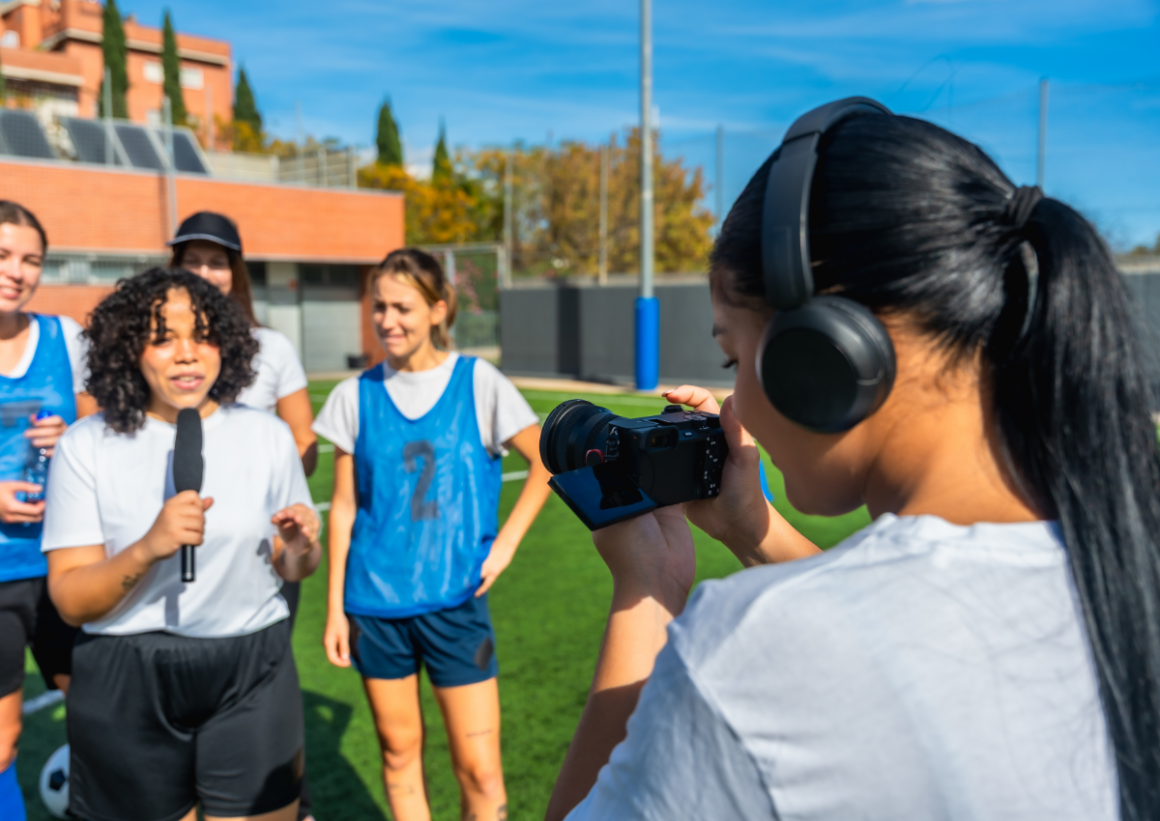
The way people watch sports now follows the same shift seen across film and television. Streaming has changed how audiences access content, and sports have moved in the same direction. Games are now delivered through platforms that control distribution, audience reach, and how viewing behavior is tracked.
Bay Area–based companies such as Apple, Amazon, Netflix, and Google are major players in distributing sports content and building the streaming platforms behind it. This changes what media roles involve. Work in this area includes content planning, platform management, and tracking how audiences respond. Professionals with experience in media, marketing, or technology bring skills that apply directly to this work.
Why the Bay Area Is Different
Geography plays a more direct role in sports business than most career guides suggest.
The Bay Area brings together seven major professional franchises: the San Francisco 49ers (NFL), San Francisco Giants (MLB), Golden State Warriors (NBA), San Jose Sharks (NHL), San Jose Earthquakes (MLS), Bay FC (NWSL), and the Golden State Valkyries (WNBA). That concentration creates a level of activity that extends beyond game days, sustaining a continuous market for roles across teams, venues, and the organizations that support them.
What makes the region distinct is how closely this activity sits alongside the technology sector. In the Bay Area, sports organizations operate in an environment where data systems and digital platforms are developed at scale. That proximity carries into how teams run their business operations, influencing how they use data and manage fan engagement.
Hiring follows that same pattern. Teams look for people who can step into this environment and contribute to the way these organizations operate. Experience with data, commercial strategy, or platform-based work aligns with how decisions are made and how projects are executed across departments.
For professionals already working in these areas, location becomes an advantage. Teams and their partners operate within the same region, which increases opportunities for direct interaction. Over time, that proximity leads to more conversations and referrals, creating entry points that are harder to reach from outside the market.
What Getting In Actually Takes
The expansion of sports business has created more visible entry points, but interest in sports has always been widespread. Watching games, following teams, or playing recreationally does not translate into readiness for a role on the business side of the industry. That distinction becomes clear once you look at how these organizations operate.
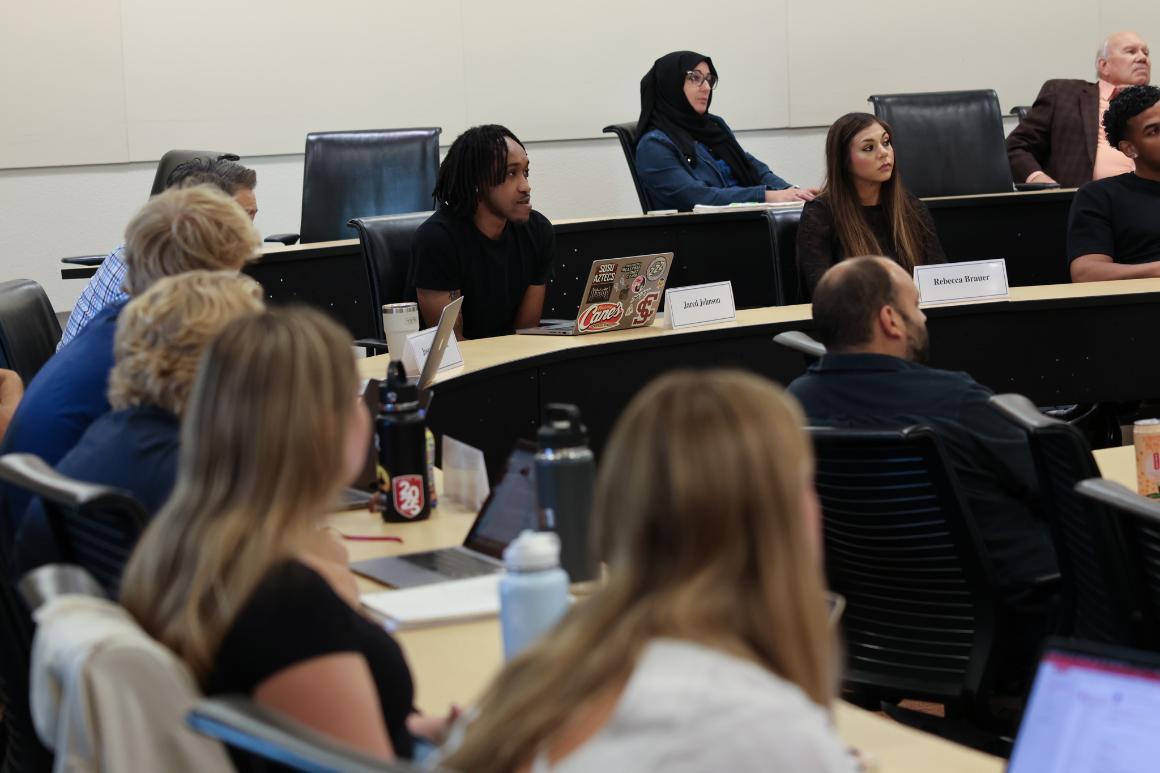
If you are considering how to get a job in sports business, the requirement is not interest alone, but alignment. Teams and leagues hire for specific functions, and each function demands a clear set of skills applied in a sports context. The difference between interest and preparation comes down to whether you can connect what you already know to how the industry works. For career-changers, this is less about starting over and more about repositioning existing expertise within a new industry framework.
That process tends to follow a consistent pattern. You begin by understanding how the business is structured, from revenue models to media rights and NIL agreements. You build familiarity with how organizations make decisions and where different roles fit within that structure. At the same time, you develop connections with people already working in the industry, creating opportunities for conversation and credibility. You also need visible proof of direction, through coursework, projects, or experience that shows you have made a deliberate move toward this field.
A specialized graduate program brings those elements together in a focused way. It provides the industry context that allows you to place your existing skills within a sports setting. It creates access to networks that are otherwise difficult to reach. It also offers a recognised credential that signals to employers that your interest is supported by preparation.
Santa Clara University's MS in Sports Business is built for professionals who already have a foundation in business, marketing, analytics, or related fields and want to apply that experience within sports. Delivered in an evening and weekend format, the program allows you to continue working while building industry knowledge and connections. Its location in the Bay Area places you within reach of organizations such as the Giants, Warriors, and 49ers, where industry relationships and practical exposure become part of the learning process.
If you are serious about moving into sports business, the path begins with understanding how your current skill set fits into the industry and where it needs to be extended. From there, the focus shifts to building credibility and access in a field where both matter.
Explore the MS in Sports Business at Santa Clara University's Leavey School of Business and prepare to work behind the scenes of the games you already follow.
Discover Your Next Step
This will only take a moment.