Top Stories
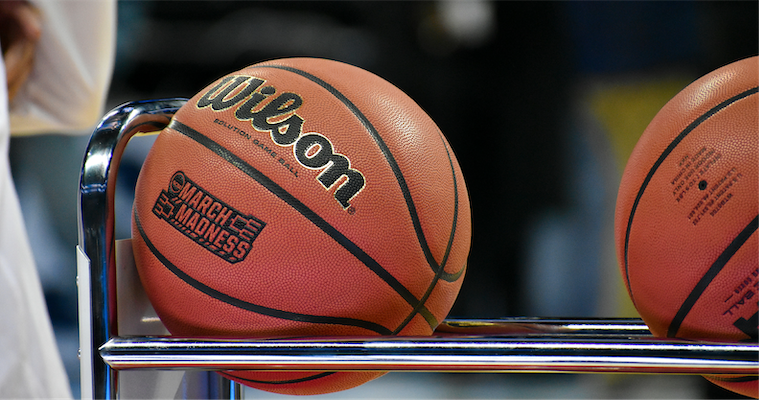
March Madness and the Future of NIL
Students and partners in Leavey’s MS in Sports Business program discuss how NIL is changing the landscape of college sports.
When March Madness arrives, some aspects of college sports feel the same as ever. Teams still fight their way through conference tournament gauntlets. Fans of “bubble” teams — Broncos included — cheer when their team makes it to the big dance. Employers brace themselves for a slight dip in productivity on tournament weekdays and a rise in office betting pools.
But the college sporting landscape has changed, too. The effects of NIL (Name, Image and Likeness) are undeniable, according to students and partners in the Leavey School of Business MS in Sports Business program.
The numbers tell a story of growth. NIL was introduced in 2021 to allow official payment and sponsorship of players for the first time. The 2021–22 NCAA basketball season included $314.4 million in NIL spending, according to research from NIL company Opendorse. This season, that number nearly tripled to $932.5 million. NIL’ s influx of cash and the rise of the “transfer portal” have changed everything from yearly team rosters to the way student-athletes search for schools in the first place.
“It’s so different now than when I started,” says Josh Johnson, a Sports Business graduate student and pitcher for the Santa Clara Broncos baseball team. Johnson was a college freshman when the NIL era began. “The idea then was that you're going to pick a school and a program that are a good fit for you, then you’re going to be loyal to the program that you pick. I think NIL and the transfer portal have changed that a lot, really.”
Like Johnson, Santa Clara basketball player Lauren Grover approaches the business and branding implications of NIL both as an athlete and as a student in the MS in Sports Business program. She points to another trend she has seen: the increase in NIL platforms and communication.
“I've seen a lot more notifications each year,” says Grover, a former Bronco volleyball player and current basketball player. “There are a couple of apps where you can sign up as an athlete with your school and your sport, and then it will send you different deals via message or email.”
During any given week, an athlete might get offers to earn money, goods or services by wearing a clothing brand’s new hat or visiting a particular restaurant — complete with social media posts to prove it happened. They might also find ongoing opportunities such as online coaching.
“If you’re an elite athlete in one of the top sports, you have more opportunities than people in the lower-funded sports,” Grover says. “But NIL is accessible to all athletes if they treat it like a part-time job, especially those who are willing to market themselves.”
Beyond the Big Deals
Star players on the floor during March Madness reflect the big-money deals most people think of when they hear “NIL.” However, Vickie Saunders, CEO and founder of Australian company The Athlete Brand Builder, says this pay-to-play model is only one aspect of NIL, even if it dominates headlines and the share of money spent.
“It’s not just about the few footballers or basketballers cutting multimillion dollar deals,” says Saunders, who hosts an NIL workshop at Santa Clara each fall and works with the Sports Business program. “I've always had this belief, and it's been proven to be true throughout my career, that any athlete who wants to get sponsored can, if they're willing to do the legwork on their side.”
That legwork includes building an authentic personal brand. It also includes thinking about what type of business relationships work organically. Working with a travel company might make sense for an athlete who is on the road a lot, for instance. Seeking sponsorship from a beloved local restaurant where an athlete actually fuels up may be a more natural fit than seeking a national franchise’s attention.
The key, Saunders says, is to think about whether the relationship makes sense first, before even thinking about the transaction. That’s equally important for businesses who want to work with athletes. She offers an analogy she uses when advising.
“Let's say you're a construction firm that works only within California,” she says. “You have $10 million, and you can sponsor either Usain Bolt or 500 local athletes. More than half of the time, people pick Usain Bolt and say, ‘He’s going to get us seen everywhere.’” But do you need to be seen everywhere? Are you going to be building houses in the Ukraine or England? Those 500 local athletes are probably a more meaningful investment.”
The pay-to-play model may work for the largest schools and biggest sports programs, but Saunders sees untapped potential for innovation by businesses that think creatively about less-funded sports programs and sports beyond the big two of basketball and football.
Johnson sees the same potential, despite his misgivings about what NIL has done to roster consistency and school loyalty. He offers a practical example.
“Think about having a business come in and redo your locker room as a form of sponsorship,” Johnson says. “That’s something that helps every member of the team, and it helps with recruiting.” Facilities are a big part of any recruitment tour, he adds. They make an impression.
Johnson’s example is the type of ongoing, organic connection Saunders hopes more businesses will forge in the future of NIL. NIL deals can apply to everything from facilities to career development to providing networking opportunities for players as they transition to fields beyond turf or hardcourt.
“We really want more businesses to understand the opportunities that exist with NIL,” Saunders says, “and that it isn't about just sponsoring one big player. It’s about picking the people and relationships that make sense.”