Rowan Whalen: Working in Cannabis Policy
I am coming up on the 4 month mark at my internship at the Silicon Valley Council of Nonprofits (SVCN) and can confidently say that I have already gained so much from this opportunity. Before this internship, It was hard for me to fully consider all the different aspects of public policy until this internship. I have heard about the notorious bureaucratic red tape (mostly from the TV show, Parks & Rec) but did not entirely understand it until I started listening to City Council, looking at tax laws, and researching memorandums. It has proven to be both elaborate and exciting. I have had a wide array of tasks in the office, researching things such as local hospital sales, the 2020 census, and juvenile justice. But most of my time so far has been spent on Santa Clara County Cannabis policy.
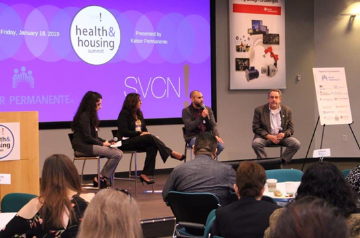
SVCN researches potential tax revenue allocation for the cities in Santa Clara County, and I have been examining different taxing strategies, revenue projections, and other analytics. Currently, the legality of cannabis dispensaries, cultivation, and testing is up to municipalities. So far, only 4 cities in Santa Clara County allow any cannabis business. Most residents that live in cities where dispensaries are illegal just travel to a neighboring city where it is, making a lost tax revenue opportunity for their city. However, as of a few weeks ago, cannabis delivery will be legal throughout the state of California. I got to learn more about the industry at our recent annual Health and Housing Summit at TI headquarters. We had a panel of local officials, leaders, and professors discussing the current difficulties that cannabis faces, as well as the industry health as a whole. What was most interesting about this panel was the discussion about equity programs. A couple cities in California currently have them in place, such as San Francisco and Oakland. They have not yet proven to be terribly effective, but I plan on doing some more research to see how such equity programs would fit with the city of San Jose. It seems like an obvious choice to open the doors of the cannabis industry to people that have been disproportionately affected by the war on drugs and the illegal cannabis market.
Although I do not think my Grandma would approve, I have had a great time researching the cannabis market here in Santa Clara County. It is obviously a blooming market, and it is interesting to see the problems that businesses have to overcome to become successful. We have discussed the cannabis market as a potential investment strategy in some of my finance classes, but it has been useful to look at the industry through a different lens. I look forward to my research in the future on this topic and other pressing issues.