What Is Sports Marketing? Types, Examples, and Careers

Key Takeaways
- Sports marketing operates on two distinct fronts: marketing the sport itself to grow fans and revenue, and marketing non-sports products through sport to reach highly engaged audiences.
- The field covers six core functions, including sponsorship, athlete endorsements, brand activation, content, digital engagement, and community marketing, each with its own career track and commercial logic.
- The Caitlin Clark effect, Formula 1's U.S. rise, and the approaching World Cup 2026 make 2026 a consequential year for sports marketing in North America in recent history.
Super Bowl ad slots reached as much as $10 million for 30 seconds this year. That price says something important about sports marketing: brands are not only buying airtime. They are buying attention, emotion, timing, and access to one of the few cultural events where millions of people are watching the same thing at once.
That is the business power of sport. A game creates the audience, but sports marketing determines how that audience is reached, packaged, sold, and extended beyond the event itself.
What Is Sports Marketing?
Sports marketing refers to the specialized branch of marketing that is focused on the use of sport as a platform to promote leagues, teams, athletes, events, and the brands that sponsor them. It operates in two directions at once:
- Marketing of sport (driving ticket sales, fan acquisition, broadcast viewership, and merchandise for teams and leagues)
- Marketing through sport (using sports properties to advertise products and services that have nothing to do with athletics itself).
The two directions require different strategies, different metrics, and different relationships. Marketing of sport is about growing the sport's own audience and revenue. Marketing through sport is about borrowing that audience's attention and loyalty for a brand's own commercial purposes.
Types of Sports Marketing
Sports marketing operates through six core functions. Each represents a distinct way that brands and sports organizations create value from fan attention:
Sponsorship and partnership marketing
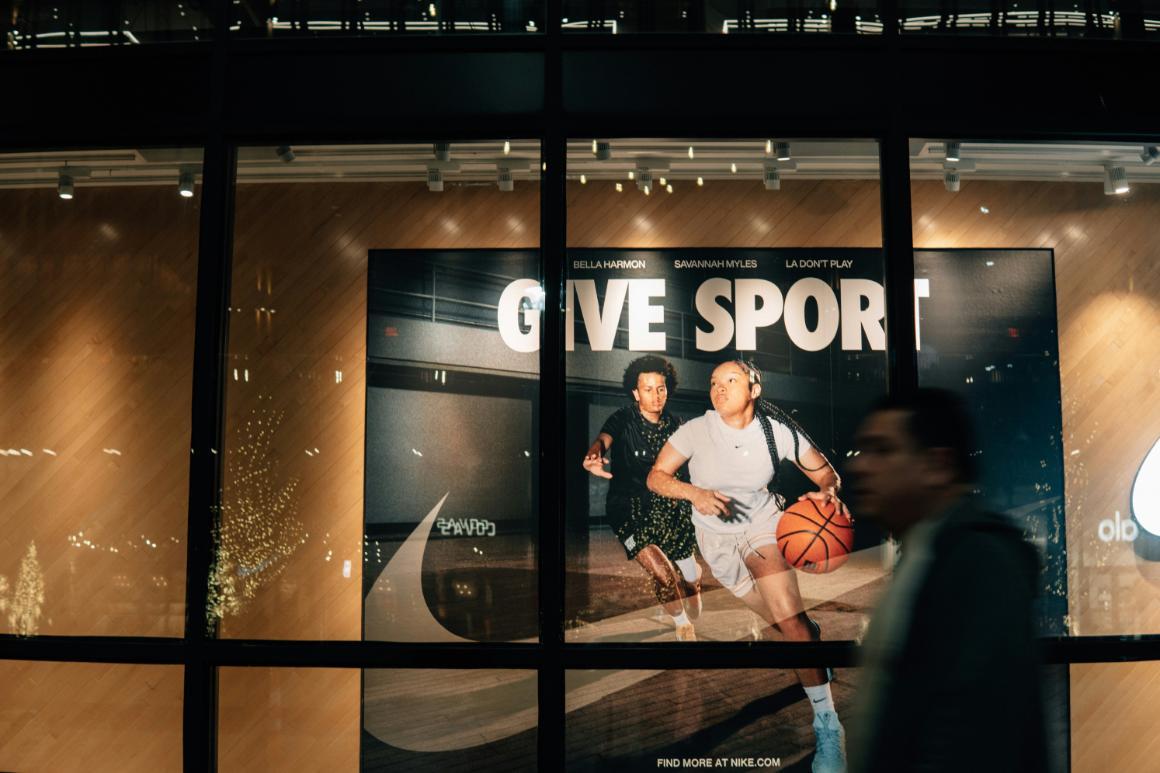
Sponsorship and partnership marketing connect a brand to a team, league, venue, event, or athlete. The brand pays for visibility, access, association, and the chance to reach fans in a setting where attention is already concentrated.
Jersey patch deals show how visible these partnerships have become. In leagues such as the NBA, MLB, NHL, MLS, and WNBA, a small patch on a uniform can become a valuable sponsorship asset because it appears during games, highlights, social content, merchandise, and media coverage. The value is not only the logo placement. It is the repeated connection between the brand and the team's audience.
Endorsement and athlete marketing
Endorsement and athlete marketing use an individual athlete's visibility, credibility, and public image to promote a brand. This works because fans often connect with athletes more personally than they connect with teams or leagues.
Lionel Messi, the soccer icon and one of the most recognizable athletes in the world, has long-running partnerships with brands such as Adidas, Pepsi, and Budweiser. These deals show how athlete marketing can extend far beyond on-field performance. His lifetime agreement with Adidas, in particular, illustrates how brands value athletes who can deliver worldwide attention and a deeply engaged fan base.
Brand activation at events
Brand activation is what turns a sponsorship from passive visibility into a fan experience. Instead of only placing a logo on signage, sponsors create moments people can use, remember, share, or associate with the event.
Visa's FIFA partnership is an example of this type of marketing. As a FIFA sponsor, Visa has used its role around major tournaments to offer cardholder ticket access and event-related promotions. That kind of activation gives the brand a practical role in the fan journey, from buying tickets to participating in World Cup-related experiences.
Sports content marketing and storytelling
Sports content marketing uses documentaries, behind-the-scenes series, podcasts, athlete profiles, social video, and branded content to make fans care more deeply about a sport, team, or athlete.
A good example of this type of marketing is the NFL's "Hard Knocks" series. Rather than focusing only on game outcomes, it takes viewers inside training camps and locker rooms, showing player personalities, team dynamics, and the pressure of making a roster. This behind-the-scenes access helps fans connect more deeply with teams and players, making the sport more engaging even for those who may not follow every game closely.
Heather Vaughan, president of MLV NorCal and a former vice president of marketing for the San Jose Sharks, sees fan access as one of the clearest changes in the field. "Ten years ago, teams could rely more on game results, big campaigns, and polished messaging," she says. "Today, fans want to feel connected to the people behind the brand."
That expectation has made sports marketing a year-round operation. Fans now look for player personalities, behind-the-scenes access, humor, and emotional moments between games and throughout the offseason.
Vaughan says the strongest posts are often the simplest: "A funny locker room interaction, a player mic'd up at practice, or a genuine emotional moment with fans, that's the kind of content people connect with and share."
During her time with the Sharks, unexpected and less polished content often generated the strongest response. The lesson for sports marketers is that production quality cannot replace personality. Content succeeds when it gives fans access they could not get from a broadcast or press release.
Social and digital fan engagement
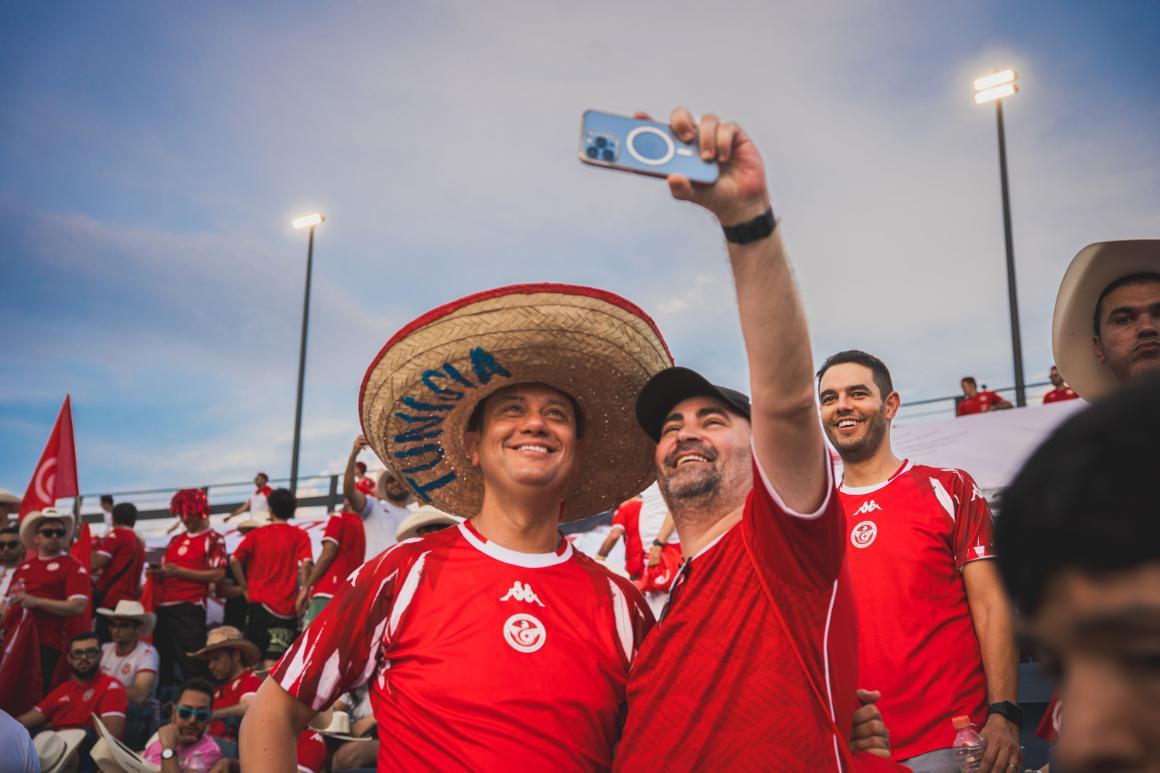
Social and digital fan engagement covers how teams, leagues, athletes, and brands reach fans outside the live event itself. This includes social media, apps, short-form video, streaming content, email, digital communities, and real-time game coverage.
For a team like the Golden State Warriors, the arena audience is only one part of the total audience. Game-night content from Chase Center can reach fans far beyond the building through highlights, behind-the-scenes clips, sponsor integrations, player content, and social updates. Digital engagement extends the value of one game across many platforms.
Successful teams also treat those platforms as entertainment channels rather than streams of constant promotion.
Consistent publishing gives that content greater commercial value. A recognizable voice and regular access can strengthen fan loyalty over time, supporting merchandise sales, sponsorships, and ticket demand.
Grassroots and community marketing
Grassroots and community marketing build fan relationships through local programs, youth sports, schools, clinics, neighborhood events, and community partnerships. This type of marketing matters because it reaches people before they are regular ticket buyers or long-term customers.
Bay FC is a good local example. The team runs a program called "Bay It Forward", which helps more kids get access to sports and supports community programs. They are also working with Visa and the Boys & Girls Clubs of San Francisco to create an all-girls youth soccer league. This shows how teams can build future fans by getting involved in their communities and helping more people play the sport.
That local presence becomes especially important for organizations that do not yet have decades of history behind them. "Newer leagues don't have that yet, so you need to create emotional relevance much faster," Vaughan says. "You can't just show up when the season starts. You have to be visible year-round, especially at the grassroots level."
Clinics, school programs, local events, and community partnerships introduce the organization before someone becomes a regular viewer or ticket buyer. They also allow new teams to build a more personal relationship with early supporters.
Sports Marketing Examples That Define the Modern Industry
Over the years, there have been many examples of how effective sports marketing can be for athletes, teams, leagues, and media properties. In recent years, some notable examples include:
Caitlin Clark, the Indiana Fever, and the WNBA's business momentum
Caitlin Clark entered the WNBA in 2024 with an audience already built through college basketball. That audience followed her into the professional game, and the effect was visible almost immediately. Indiana Fever games became major television draws, the team set a WNBA single-season home attendance record, and the league finished 2024 with record-setting attendance and viewership.
The marketing lesson is not that one athlete "saved" a league. That would flatten what the WNBA had already been building. Clark's rookie season is more useful as an example of what happens when athlete visibility, media distribution, brand interest, and league readiness meet at the same time.
Her presence made the Fever more valuable to broadcasters, sponsors, merchandise sellers, and ticket platforms. The larger WNBA story continued into its 30th season, with Portland and Toronto joining the league and a record national broadcast schedule giving brands more consistent inventory around women's basketball.
Drive to Survive and Formula 1's U.S. growth

Formula 1 did not become popular in the United States only because of Netflix. Liberty Media had already been working to modernize the sport's media strategy, event calendar, and commercial model. Still, "Drive to Survive" gave F1 something it had struggled to build in the U.S. market: an easier entry point for casual fans.
The series translated a technical, global sport into characters, rivalries, team politics, pressure, and personality. Viewers did not need to understand the strategy or the constructors' standings before caring about the people involved. That made the sport easier to follow and easier to market.
For sports marketers, the value of "Drive to Survive" is not the documentary format alone. It is the way content can create context before a live event begins. By the time many newer American fans watched a race, they already had drivers to follow, teams to recognize, and storylines to care about.
Pat McAfee, ESPN, and talent as a media platform
Pat McAfee's move to ESPN is a different kind of sports marketing example. ESPN was not only hiring a former athlete to comment on games. It was bringing in a show, a format, a tone, and an audience that already existed outside the network's traditional programming.
That matters because sports media is no longer built only around leagues, rights packages, and scheduled broadcasts. Individual personalities can carry their own distribution power. A host with a loyal daily audience, strong social reach, and a recognizable content style can become valuable as a marketing asset, not just as on-air talent.
The McAfee deal shows how sports marketing now overlaps with media strategy. The audience does not always start with the network anymore. Sometimes the audience follows the talent, and the network pays for access to that relationship.
Sports Marketing Careers and Salaries
Sports marketing careers can be inside teams, leagues, agencies, media companies, athlete representation firms, venues, and brand-side sponsorship departments. The work often combines marketing strategy, fan engagement, partnership management, content, data, and live-event execution.
Common roles include:
- Sports marketing coordinator: Supports campaign execution, sponsorship deliverables, social content, event promotions, and day-to-day marketing tasks.
- Sponsorship manager: Manages corporate partnerships, tracks sponsor benefits, supports activation plans, and reports on campaign value.
- Brand partnerships director: Leads major sponsor relationships, negotiates partnership opportunities, and connects brands with teams, leagues, athletes, or events.
- Athlete marketing manager: Builds an athlete's personal brand through endorsements, appearances, content, sponsor relationships, and public appearances.
- Digital and social media manager: Oversees social channels, content calendars, fan engagement, platform strategy, and performance metrics for a team, league, or sports brand.
- Sports marketing director: Leads the full marketing function, including campaigns, brand strategy, partnerships, fan growth, and revenue support.
Salaries vary widely by role, market, organization size, and level of responsibility. Entry-level roles are usually more execution-focused, while senior roles tied to sponsorship, brand partnerships, media, and revenue strategy tend to pay more. According to the U.S. Bureau of Labor Statistics, advertising and marketing managers in the spectator sports industry earn an average salary of $129,960, reflecting the commercial importance of marketing across professional sports and major events.
How to Build a Career in Sports Marketing

A career in sports marketing requires a strong foundation in business and marketing. Employers look for candidates who understand consumer behavior, brand strategy, sponsorships, media, content, data, and fan engagement
There are several educational paths that can help you build these skills:
Undergraduate marketing degree
A BA or BBA in marketing provides core training in consumer behavior, media strategy, brand management, research, and campaign planning. Pairing this with sports-related internships or projects can help you start building industry experience early.
Sports management or sports marketing major
This option focuses your business education more directly on the sports industry. Students often study ticketing, sponsorship, events, fan engagement, and facility operations alongside general business fundamentals.
Hands-on experience in sports organizations
Internships, game-day roles, student organizations, freelance content work, and volunteer positions help students understand how sports organizations operate in practice. Heather Vaughan especially recommends working in the minor leagues, where smaller teams often give early-career professionals broader responsibilities.
"Resourcefulness and scrappiness foster creative problem-solving," Vaughan says. "You get to wear so many hats, you'll learn the entire business quickly, what you love doing, and where your growth opportunities are."
These roles can provide experience across content, sponsorships, ticketing, events, community relations, and digital marketing while helping students identify which part of the industry suits them best.
Specialized master's degree in sports business
For students who already know they want to work in sports, this is often the most direct path. Programs like the MS in Sports Business at the Leavey School of Business combine core business training with industry-specific topics such as sponsorship, analytics, revenue strategy, media, and fan engagement. Developed in collaboration with organizations like the San Francisco Giants, San Jose Sharks, San Francisco 49ers, Golden State Warriors, and Nike, the program gives students exposure to real-world industry relationships and business challenges.
MBA with a marketing focus
An MBA can be a strong option for professionals looking to broaden their business expertise and move into leadership roles in marketing, partnerships, or strategy. At Leavey, MBA programs allow students to explore various electives and projects while continuing to work full-time.
No matter which path you choose, building experience and connections is key. Students can also engage with the broader sports business community at Santa Clara University, including undergraduate opportunities and industry partnerships, to start developing the relationships that are essential in sports marketing.
Sports Marketing in 2026: Trends Shaping the Field
Sports marketing now sits close to every major business decision in sport. It affects how teams build fan bases, how leagues sell media rights, how athletes grow personal brands, and how sponsors decide where to invest.
The challenge is that the field rarely stands still. Fan behavior changes quickly, major events reshape the calendar, new platforms change how people watch and share sports, and athletes have more direct influence over their own commercial value. In 2026, four trends are having the biggest impact on sports marketing careers and strategy.
The 2026 FIFA World Cup
The World Cup is one of the largest sports marketing opportunities in North America this decade. With 48 teams, 16 host cities, and matches across the United States, Canada, and Mexico, the tournament creates major work around sponsorship activation, host-city marketing, tourism partnerships, ticketing, fan experience, and global brand campaigns. For sports marketers, it is a live case study in how one event can connect local markets with a worldwide audience.
The growth of women's sports
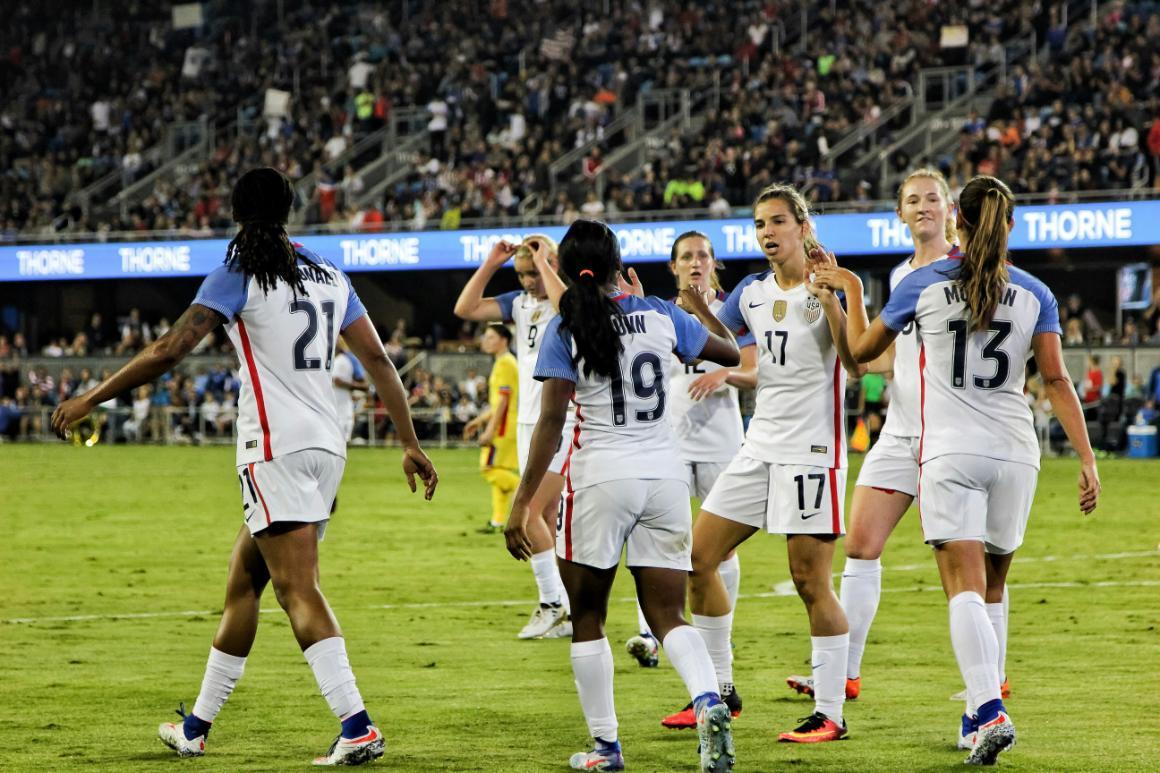
Women's sports are attracting more media coverage, larger audiences, new ownership investment, and stronger sponsor interest. The WNBA's expansion and growing broadcast presence show how quickly commercial expectations can change when leagues, athletes, brands, and media partners align. For marketers, this creates opportunities in audience development, sponsorship strategy, athlete branding, and long-term fan loyalty.
Building those audiences requires more than applying the marketing model used by established men's leagues. Vaughan, who is helping develop MLV NorCal's identity, says newer women's sports properties must be deliberate about "tone, community presence, partnerships, storytelling, player visibility, all of it."
"You're not just selling tickets, you're building belief," she says. Fans often want access to players and a clear sense of the organization's values, giving emerging teams an opportunity to build a closer relationship with their communities from the beginning.
NIL in college sports
Name, Image, and Likeness (NIL) has turned college athletes into active marketing partners. Since NCAA athletes gained the ability to profit from NIL in 2021, brands have been able to build campaigns around athletes before they enter professional sports. This has created new work in athlete branding, influencer-style campaigns, compliance, deal management, and content strategy.
Digital marketing and fan engagement
Fans no longer experience sports only through live games or traditional broadcasts. Short-form video, team apps, streaming platforms, social media, personalized content, and AI-supported audience segmentation now shape how teams and brands reach people between events. Digital marketing has become central to fan engagement because it gives sports organizations more ways to reach fans, measure behavior, and create sponsor value outside the game itself.
The Crowd Is the Customer
Sports marketing is the practice of turning the attention and loyalty of sports fans into commercial value for the teams and leagues they follow and for the brands that want to reach them. The six types covered here, from sponsorship to grassroots community programs, each represent a distinct approach to that same goal. The careers in this field are growing alongside the industry itself, and 2026 is shaping up to be one of the most significant years for sports marketing in North America in recent memory.
If you want to build a career in this field, the MS in Sports Business at the Leavey School of Business connects students directly to the Bay Area's sports and tech ecosystem at a moment when that ecosystem is at the center of the industry's biggest stories. 2026 brings the World Cup to Levi's Stadium, women's sports to new commercial heights, NIL to full maturity, and AI to the center of fan engagement strategy.
Frequently Asked Questions
What's the difference between sports marketing and sports public relations?
Sports marketing focuses on driving commercial outcomes through campaigns, sponsorships, and fan acquisition. Sports PR focuses on managing a team's or athlete's reputation and media relationships, often in response to news events rather than planned campaigns.
How do brands actually measure the ROI of a sports sponsorship?
Brands typically track a combination of media value equivalency (the estimated cost to buy equivalent exposure through paid media), brand awareness lift measured through consumer surveys, and direct commercial metrics like traffic, sales, or lead generation tied to sponsorship activations.
Do sports marketers work mostly on game days, or is it a year-round role?
Sports marketing is a year-round role with distinct seasonal peaks. Campaign development, sponsorship negotiations, and content production happen throughout the year, while game days and major events require all-hands execution that compresses many deliverables into short windows.
Is sports marketing easier to break into through an agency or directly with a team?
Both paths have real advantages. Agencies offer exposure to multiple clients and campaigns early, which builds a broad portfolio quickly. Teams offer deeper immersion in one organization's marketing operation. Most practitioners have experience in both at some point in their careers.
Discover Your Next Step
This will only take a moment.