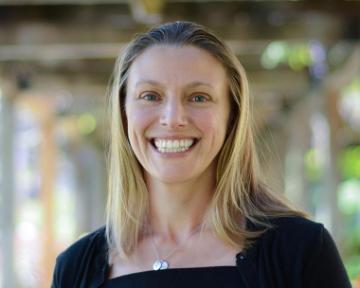
The Future of Reading in the Age of AI with Maryanne Wolf
2026-2027 Compelling Conversations Series
Will Reading and Writing be Transformed in the Age of AI?Dr. Maryanne Wolf will be in conversation with Associate Professor Kirsten Read (Psychology) on the future of literacy and human thought as generative artificial intelligence and automated text summaries increasingly permeate our daily lives.
When we rely on AI agents to parse, summarize, and compose written language, do we risk outsourcing the very cognitive processes that make us deep thinkers?
Monday, November 9, 2026
7:00 - 8:30 pm
Locatelli Center
Dessert and coffee will be served.
Dr. Maryanne Wolf is a scholar, teacher, and global advocate for children and literacy. She directs the Center for Dyslexia, Diverse Learners, and Social Justice at UCLA and the former John DiBiaggio Professor of Citizenship and Public Service at Tufts University. She has authored over 170 scientific publications; Proust and the Squid: The Story and Science of the Reading Brain; Tales of Literacy for the 21st Century; and Reader, Come Home: The Reading Brain in a Digital World. She is co-author with Martha Denckla of the RAN/RAS naming speed tests, and developed the RAVE-O Intervention Program for all struggling readers. Her awards include the IDA and the Einstein Award from the Dyslexia Foundation; and the Walter Ong Award and the Alfred Korzybski Award for her work on the effects of different mediums on the intellectual development of the species. She was elected a permanent member of the Pontifical Academy of Science.
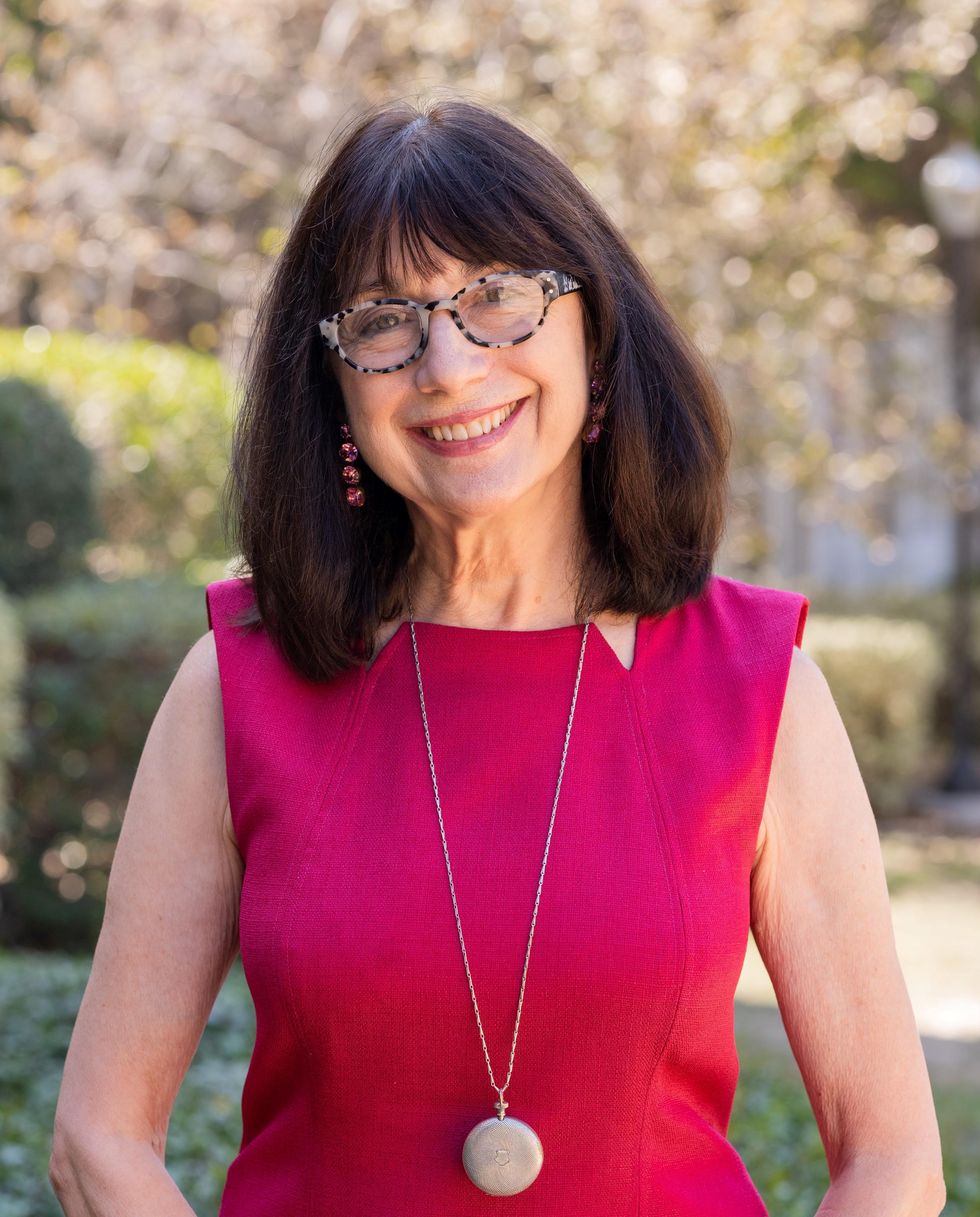
Dr. Kirsten Read is Associate Professor of Psychology and leads the Language Learning Lab at Santa Clara University. Her research focuses on early language development, how most children become so fast and fluent in understanding and using language in just the first few years of life - no small task! Dr. Read's most recent studies involve looking at how common kinds of language experiences, specifically story book reading and language play, can help children use their own predictions to learn new words.