Faith in Action: A Family Legacy
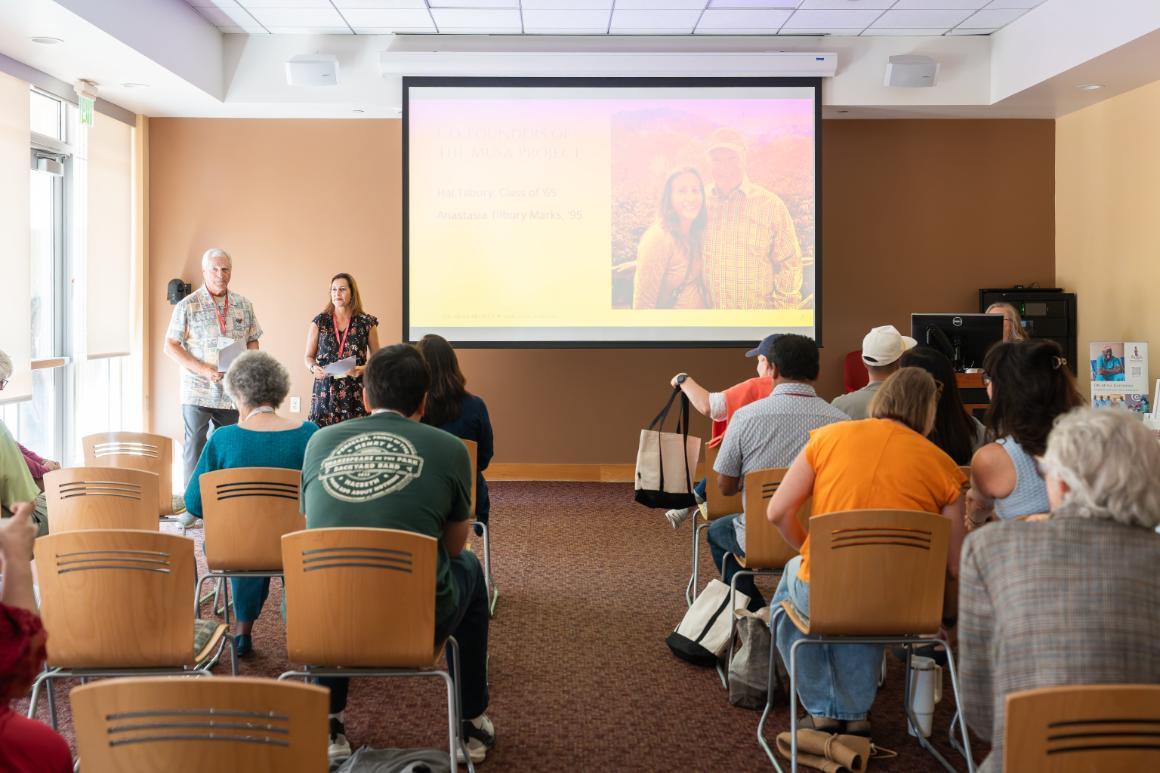
When Hal Tilbury ’65 and his daughter, Anastasia Tilbury Marks ’95, stood before their fellow alumni at Grand Reunion 2025, they weren’t talking about business success or family milestones. Instead, they told a story of how two Broncos, shaped by Santa Clara’s Jesuit values, found their shared calling halfway across the world.
Their nonprofit, The Musa Project, is rooted in compassion, dignity, and the belief that no one is too far away to be called a neighbor.
Bronco Beginnings
Hal’s Santa Clara story began six decades ago. A finance major and member of one of the first undergraduate classes to include women, he built lifelong friendships in the dorms and developed a sense of purpose that would follow him long after graduation.
His career path led him from IBM to founding three software companies, but even as his business success grew, Hal stayed grounded in community and service. That ethos guided him as he later worked with two nonprofits—the Monarch School for unhoused children in San Diego and the Galilee Center in the Coachella Valley, which provides food, rental assistance, and other support for migrant farm workers and their families.
For Anastasia, Santa Clara was both a refuge and a turning point. Her professors—several of whom became lifelong friends—helped her navigate life’s difficulties. They supported her as her major shifted from English to psychology and, finally, to music—a discipline that became a lifeline. “I don’t think I would have graduated from college if I hadn’t gone to Santa Clara,” she admits.
The combination of care and conscience she experienced stayed with her and continues to inspire her to give back.
“When something is not your government’s problem, and it’s not your church’s problem, and it’s not your community’s problem, and it’s not your problem—it’s everybody’s problem.”
A Call to Serve
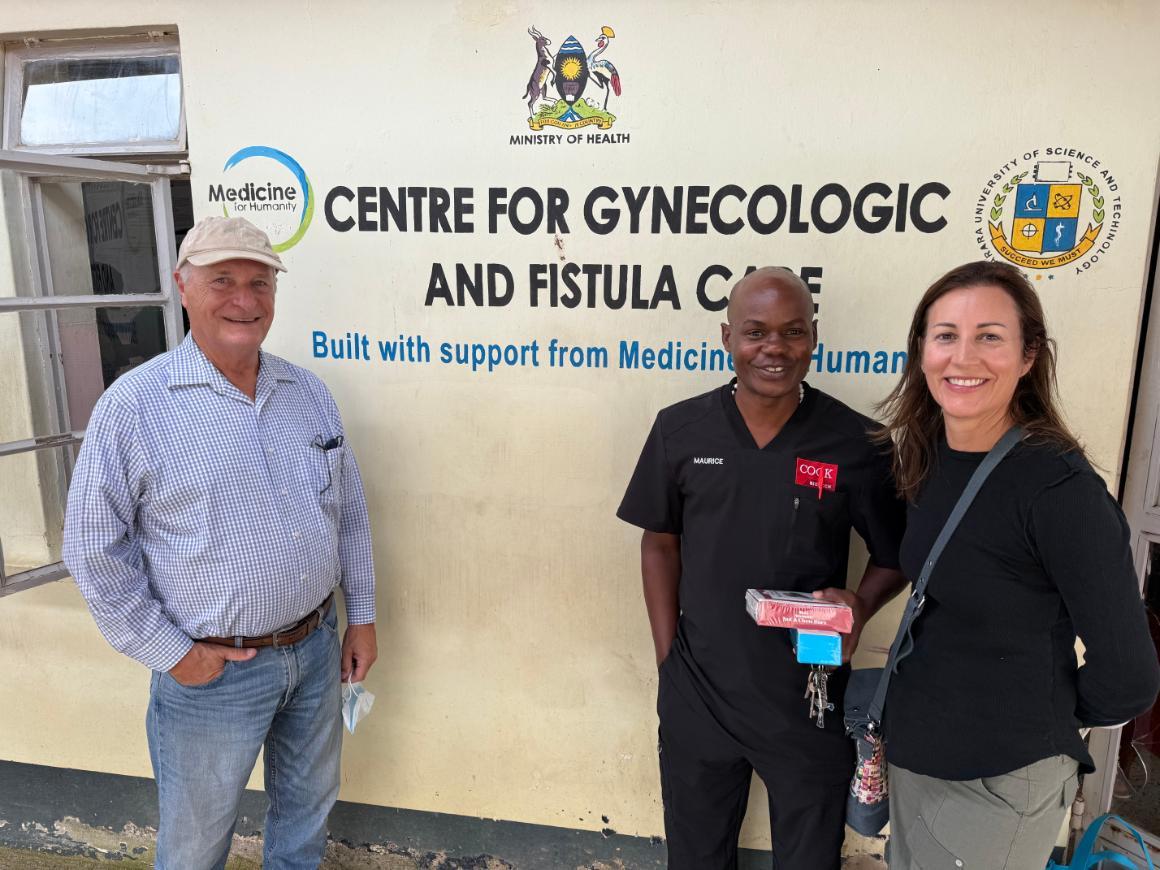
Years later, Hal and Anastasia learned about the millions of women worldwide living with obstetric fistula. The injury, which is typically associated with childbirth, leaves many incontinent, shunned by their families, and isolated from their communities. While the numbers were staggering, one detail made reality even worse: many women with these injuries go decades without care.
Through a friend connected with medical missions in Uganda, they met Dr. Musa Kayondo, a leading surgeon dedicated to repairing fistula injuries and training the next generation of doctors. His compassion for and commitment to his patients sparked the idea for a partnership.
In May 2025, Hal and Anastasia founded The Musa Project to expand Dr. Kayondo’s reach. Their mission is simple: build a network of Ugandan-led care that reaches even the most remote regions of the country.
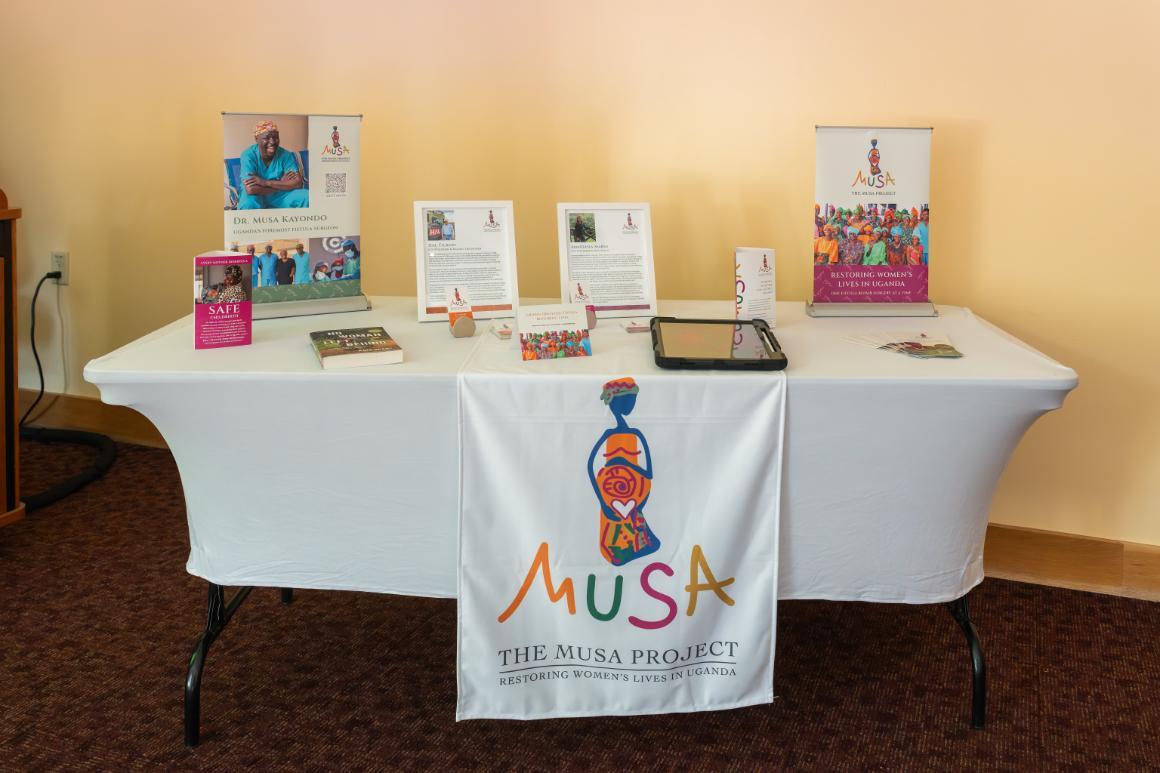
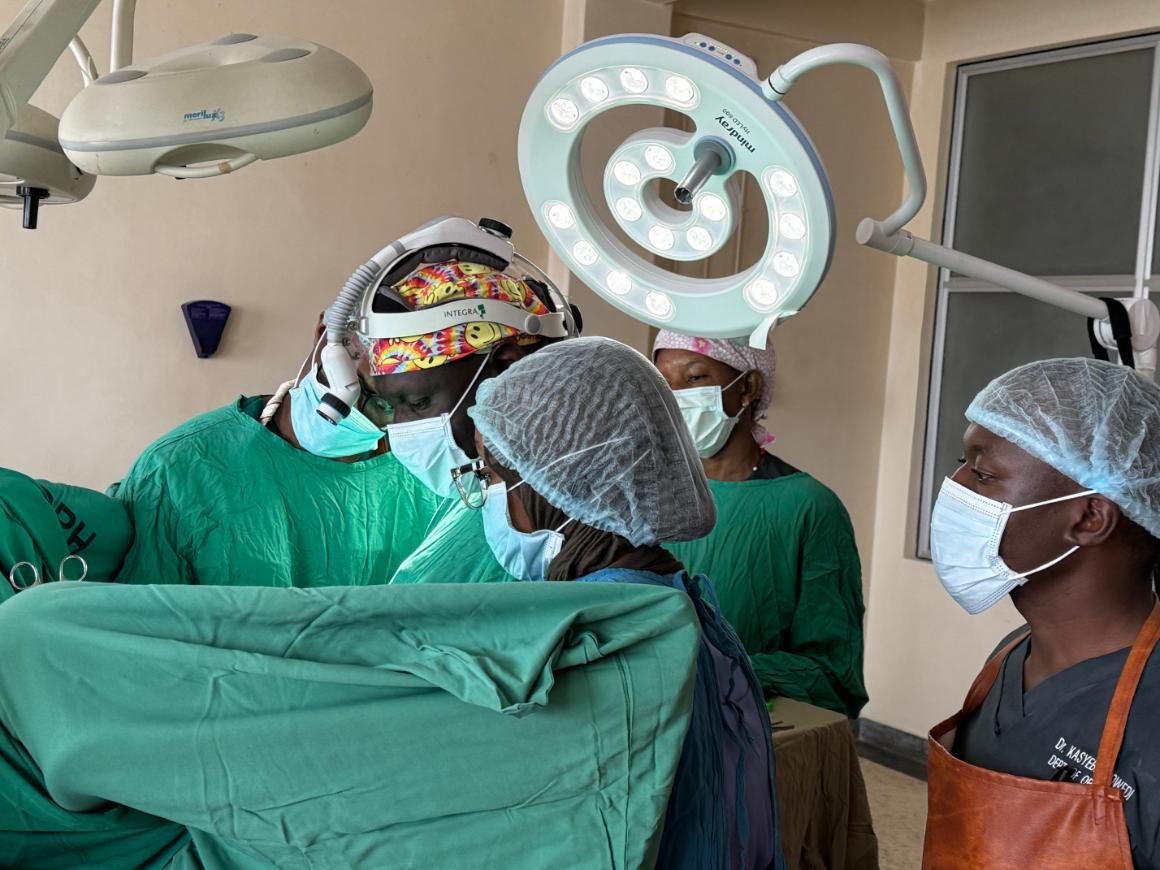
Since its founding, the organization has supported surgical camps, provided essential medical equipment to hospitals across Uganda, and helped train a growing cohort of future surgeons. One of its major projects—transforming a 12-bed ward in northern Uganda into a 45-bed women’s center—is already underway. Through a partnership with Project C.U.R.E., medical supplies will soon arrive to further strengthen local hospitals’ capacity to care for patients.
For Hal and Anastasia, the work is more than charity—it’s a reflection of the Jesuit principles they learned at Santa Clara. They approach it not as benefactors from afar but as partners walking alongside Ugandan doctors and patients.
Their commitment is pragmatic and moral. In Uganda, a fistula repair surgery and two weeks of recovery cost about $500—less than a fraction of what it would cost in the United States.
Beyond the numbers and logistics lies the human impact that drives their mission. Each surgery restores not only a woman’s health, but her place in her family and community. Some patients have lived with their injuries for decades; others are girls whose education and futures were cut short. The Musa Project’s work helps them reclaim both.
A Mission That Continues
Santa Clara’s mission doesn’t end at graduation. It lives on through the choices alumni make, the people they serve, and the compassion they carry into the world. For Hal and Anastasia, that mission has taken shape in hospital wards and training centers thousands of miles from campus. Its roots, though, remain firmly planted in the values they learned at the Mission: faith, service, and the belief that we are called to care for one another.
As Hal reflected, quoting Pope Francis, “When something is not your government’s problem, and it’s not your church’s problem, and it’s not your community’s problem, and it’s not your problem—it’s everybody’s problem.”
For Hal and Anastasia, that conviction is more than belief—it’s action.
Together, they’ve built more than an organization. They’ve built a legacy of empathy and service—a living testament to what it means to be Broncos for others.