
Key Takeaways
- Real estate involves land, buildings, and the legal rights attached to them.
- Students can enter real estate through multiple academic paths, with business administration, finance, economics, planning, and construction-related majors each supporting different roles in the field.
- Minors, such as real estate, finance, economics, or accounting, allow students to build targeted property knowledge while keeping their primary degree adaptable.
Long before modern markets existed, organised societies recorded land ownership and transfer. In "The Sumerians: Their History, Culture, and Character", Samuel Noah Kramer, a leading scholar of early civilisations, notes that clay tablets from around 2500 BC found in Fara and Bismaya document real estate sales between private individuals, suggesting such transactions were already widespread thousands of years ago.
Today, the worldwide real estate market is projected to reach a value of US $673.08 trillion by 2026, with continued expansion expected to push that figure to US $727.80 trillion by 2029.
With a sector this large and this enduring, it is natural and encouraged for students to look closely at majors for real estate and other academic paths that support careers in the field.
What Is Real Estate?
Real estate refers to property that consists of land, buildings attached to that land, and the legal rights that come with owning or using it. Those rights can include the ability to occupy, lease, develop, sell, or transfer the property, depending on local laws and ownership structure. Roles in it typically deal with how physical space is owned, used, and managed.
Real estate is commonly grouped into the following broad categories based on how the property is used:
- Residential real estate includes homes where people live, such as single-family houses, apartments, condominiums, and multi-unit buildings.
- Commercial real estate covers properties used for business activity, including offices, retail spaces, hotels, and shopping centres.
- Industrial real estate refers to properties designed for production, storage, or distribution, such as factories, warehouses, and logistics facilities.
- Land real estate includes undeveloped or agricultural land, as well as parcels intended for future development.
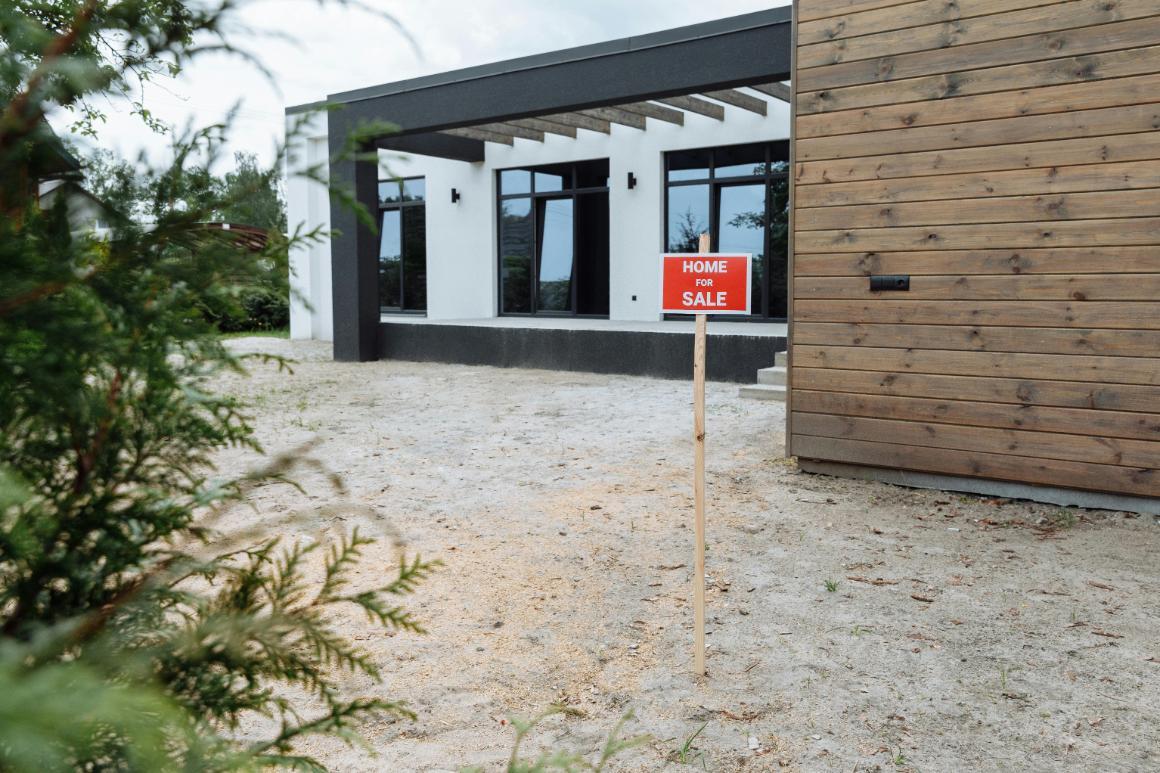
Real estate also plays two distinct roles. As an asset, it can generate income through rent, appreciate in value over time, or serve as a long-term store of wealth. As an industry, it encompasses a wide range of professional activities, including development, brokerage, property management, financing, valuation, and regulation.
Best Majors for Real Estate Careers
Choosing the right undergraduate major sets the foundation for your real estate career. While specialized real estate degrees exist at some institutions, most students enter the field through related business, economics, or technical programs that build transferable skills. Among the best majors for a future in real estate are:
Business administration
Business administration is one of the most common entry points into real estate because it focuses on how organisations function and how decisions are carried out in practice. Students learn how companies operate, how teams are managed, and how resources are allocated, all of which translate directly into real estate work.
Graduates often move into client-facing or operational positions, where the ability to manage processes and communicate clearly matters more than narrow technical expertise. Business training is also relevant in corporate settings, where professionals support real estate decisions within larger organisations.
As careers progress, leadership becomes central. Real estate professionals frequently guide clients or teams through financially significant decisions, which require credibility, sound judgment, and the ability to operate confidently in uncertain situations.

Students who want to deepen this foundation may choose to pursue graduate business education later on. Leavey's MBA, for example, builds on undergraduate business study by strengthening financial reasoning and organizational decision-making, which becomes increasingly useful when managing larger assets or taking on more responsibility. For professionals already in senior roles, the Executive MBA provides a way to learn while continuing to work.
Finance
A finance major is well-suited to students interested in the investment side of real estate. The curriculum emphasises valuation, financial analysis, and capital allocation, which are essential for assessing property opportunities and understanding risk.
Finance graduates often work in roles where property is treated as an investment asset. These positions require comfort with modelling cash flows, interpreting market data, and evaluating how individual properties fit into broader portfolios. This background is particularly valued in commercial real estate environments, where transactions tend to involve more complex financial structures.
A strong financial foundation allows professionals to engage directly with lenders, investors, and partners. Over time, this expertise supports advancement into roles that influence acquisition strategy and long-term asset performance.
Economics
Economics focuses on how markets behave and how broader conditions shape decision-making. For real estate, this perspective is valuable because property values are closely tied to economic trends and regional dynamics.
Students learn to analyse data related to employment patterns, population changes, and interest rates, all of which influence demand for property. This makes economics a strong choice for those interested in market analysis, advisory roles, or feasibility studies.
Graduates often work in research-driven positions where they assess whether developments make sense given local conditions. The analytical approach developed through economics applies across residential, commercial, and industrial markets, allowing flexibility in career direction.
Real estate or Property management

Some universities offer undergraduate degrees specifically focused on real estate or property management. These programmes combine general business coursework with industry-focused subjects such as property law and asset oversight.
A specialised degree can provide early exposure to real estate-specific concepts and may support faster entry into the field. However, these programmes are less common and can limit flexibility if a student later decides to pivot into a different area of business. Choosing this path often depends on how certain a student is about pursuing real estate from the outset.
Urban planning
Urban planning offers a different lens on real estate by focusing on how land use decisions shape communities. Students study zoning rules, development policy, and the relationship between growth and infrastructure.
This major suits those interested in development, public-sector work, or roles that sit between private investment and community impact. Planners often work alongside developers and government bodies to evaluate projects within regulatory and social frameworks.
The field places strong emphasis on understanding constraints and long-term outcomes. As cities evolve, urban planning increasingly intersects with real estate through housing policy and sustainable development initiatives.
Construction management or Civil engineering
Construction management and civil engineering both prepare students to work at the intersection of real estate and the built environment. Each major approaches property development from a different angle, but both connect strategy to construction and infrastructure constraints.
Construction management focuses on how projects move from concept to completion. Students learn to manage budgets, schedules, contractors, and site operations, developing the practical skills required to deliver projects on time and within cost constraints.
Civil engineering addresses the technical foundations that make development possible. The curriculum examines the planning, design, construction, and long-term maintenance of infrastructure, including buildings, transportation systems, water networks, and environmental protection facilities. Students gain the analytical tools needed to evaluate structural integrity, resource constraints, and regulatory requirements.
For students minoring in Real Estate, either path strengthens the ability to assess site potential, understand infrastructure limitations, and translate design into buildable outcomes. These disciplines connect financial strategy with physical execution, which is central to development work.
Common Minors That Complement Real Estate
For students who want focused exposure to real estate without committing their entire degree to it, a minor can add practical context and direction. Minors work best when they support your primary major and clarify how your academic training connects to property-related work.
Santa Clara University offers an interdisciplinary Real Estate Minor through the Leavey School of Business for undergraduate students across the university. The minor is designed for students who want a structured introduction to real estate concepts alongside their major, recognising that real estate draws on business, policy, and technical perspectives.
Coursework introduces real estate fundamentals and allows students to explore areas that align with their interests. Requirements vary slightly depending on whether a student comes from a business or non-business background, which helps keep the minor accessible without diluting its focus. The structure encourages students to connect classroom learning to real estate careers while preserving flexibility in their broader academic path.

Students are encouraged to begin the minor early enough to complete the requirements alongside their major. Its design allows students to build real estate knowledge without narrowing future options too early.
A finance minor works well for students whose major provides a broader organisational or analytical foundation. As a minor, finance sharpens the ability to evaluate investment decisions and understand how capital structures affect property performance, without requiring the depth of a full finance major. This combination is particularly useful for students interested in development or investment roles who want financial fluency to support decision-making rather than specialising entirely in finance.
An economics minor adds market awareness to majors that focus more heavily on management or technical skills. It helps students understand how economic conditions influence property demand and pricing, which is relevant across many real estate roles. As a complement rather than a primary focus, economics provides context for location decisions and market timing without shifting the degree away from applied business or operational work.
An accounting minor supports students who expect to work closely with financial performance measures in real estate settings. It helps build confidence in reading financial statements and understanding how operating results affect asset decisions.
When paired with a business-focused major, accounting adds precision and discipline to financial judgment, which is valuable in roles that involve evaluating property performance or overseeing budgets.
How to Choose the Right Major for Your Real Estate Goals
Choosing a major begins with understanding what part of real estate actually interests you. Some students are drawn to evaluating deals and understanding financial performance, while others are more interested in working with clients and overseeing properties. Different areas of real estate place emphasis on different skills, so having clarity on your interest at this stage helps narrow your options.
Your academic choice should reflect how you want to engage with the field. Majors with a strong business focus tend to suit roles that involve transactions, portfolio oversight, or organisational decision-making. Majors tied to planning or construction align more closely with development-focused paths. None of these routes lock you into a single outcome, but they do influence how you enter the field and which opportunities feel most accessible early on.
Flexibility is also an important consideration. Many real estate professionals move between roles over time, shifting focus as their interests or responsibilities change. Majors that build transferable skills allow for this movement, making it easier to adapt without needing to retrain entirely. Keeping your options open can be especially valuable in a field that spans many sectors.
Conclusion
At the Leavey School of Business, students interested in real estate can build a strong foundation through the Finance degree, where they develop the analytical and financial skills needed to evaluate property as an asset. That preparation is further strengthened through Leavey's Real Estate Minor, which adds focused exposure to acquisition, development, and management, helping students connect financial theory to real property decisions.
As cities evolve and markets change, real estate remains a field defined by adaptability and long-term relevance. For those willing to prepare thoughtfully, its future continues to offer both opportunity and impact.
Frequently Asked Questions
Is a real estate major better than a business or finance major?
Not necessarily. A business or finance major builds core skills in analysis and decision-making that are widely used in real estate, even without a dedicated real estate major.
Can you work in real estate while still in college?
Yes. Leaders at Santa Clara University's Real Estate Institute consistently stress that completing a summer internship with a real estate company is essential for students who want a realistic path to full-time roles after graduation.
What skills matter more in real estate: sales or analytics?
Both matter, but analytical skills play an increasingly central role. The Real Estate Institute places strong emphasis on market analysis and financial evaluation, which underpin effective sales and investment decisions.
Discover Your Next Step
This will only take a moment.