MA in Counseling Psychology
Alert icon Applications for Fall 2027 will open on September 1, 2026
Our vision imagines a region and world in which everyone has access to an inspiring education and the psychological tools and support to propel them toward flourishing lives of meaning, purpose and connection. Our education is characterized by Strong Values, Social Justice, Transformative, Diverse Community.
The Master of Arts in Counseling Psychology provides an intensive 90-unit Master's program. Receive outstanding preparation to be become licensed as a Marriage and Family Therapist (MFT) or a Licensed Professional Clinical Counselor (LPCC).
Our faculty prepares you to be an agent of change in your clients' lives. Students may also choose to include any of the following five optional emphasis areas in their degree: Community Mental Health, Health Psychology, Child and Adolescent Mental Health, Latino Counseling, or LGBTQ Counseling.
MA in Counseling Psychology Highlights
Emphases & Concentrations
We offer five specialized interest areas. Our four emphases function like a minor. Students who don't choose an emphasis may choose from a variety of electives. The Child and Adolescent Mental Health Concentration is similar to the emphases, but requires additional elective coursework.
Latino Counseling
A focus on culturally and linguistically appropriate counseling experiences centered on a deep understanding of Latino culture, ethnicity, acculturation, and immigration.
Health Psychology
Apply psychology to issues of well-being, stress and stress management, the modification of health behaviors, health promotion, wellness, and disease prevention.
LGBTQ Counseling
Offering training in the application of counseling to issues of gender, diversity in sexual identity and expression, oppression, discrimination, and acculturation, among other topics.
Community Mental Health
The Community Mental Health Emphasis is a professional training program for counselors seeking to work with individuals, youth, and families navigating complex systems and structural barriers.
Child and Adolescent Mental Health
Students will be trained to develop greater proficiency in supporting children, teens, and young adults. Coursework will focus on: issues in early intervention and infancy; issues in school-based settings; developmentally-appropriate interventions; working with disabled children and youth; trauma- informed care; evidence-based approaches to working with children and youth, including short term therapies, cognitive behavioral therapy, play therapy, expressive arts therapy, family therapy, and much more.
Tracks
The Master of Arts in Counseling Psychology has five tracks:
LPCC Track
The California Board of Behavioral Sciences bases the LPCC Track on California State regulations, guidelines from the California Coalition for Counselor Licensure, and curriculum approval. Students choosing this track are qualified to sit for a LPCC license exam after completing course work, practicum, and clinical hours. The LPCC is a portable degree, meaning that coursework and clinical training in California will allow a student to sit for licensure in any other state, based on any residency requirements of that state. LPCC licensing requirements include a national rather than state-centric exam.
The LPCC program is primarily focused on individual adult clients. Students pursuing this program who wish to work with couples, families, and children will need to take classes in these specialties to work legally and ethically with these populations.
A major difference between the MFT and the LPCC is that a significant number of the required 3,000 training hours can be completed prior to receiving the Masters degree for the MFT license. The required 3,000 hours for the LPCC must all be accrued after graduation with a Masters degree.
Joint MFT/LPCC Track
The joint MFT/LPCC track is available for students who wish to apply for both licenses. This combined program can be completed within the 90 units. Students can also opt for one of the five emphases; however, students completing this track with an emphasis in Community Mental Health, Health Psychology, Child and Adolescent Mental Health, Latinx Counseling, or LGBT Counseling will need to complete 91.5 units and students completing this track with an emphasis in Latino counseling will need to complete 93 units to obtain all the necessary courses. Students who wish to explore this joint track option are encouraged to meet with a faculty advisor.
MFT Track
The California Board of Behavioral Sciences bases the MFT Track on California State regulations, guidelines suggested by the American Association for Marriage and Family Therapy, and the California Association of Marriage and Family Therapists, and curriculum approval. Students choosing this track are qualified to sit for an MFT license exam after completing course work, practicum, and clinical hours in the State of California.
No Track
Students may also opt for neither the MFT nor the LPCC track. This track is for individuals who desire more extensive training and experience than the 52.5-unit M.A. of Counseling or 45-unit M.A. in Applied Psychology affords. This track does not lead to licensure.
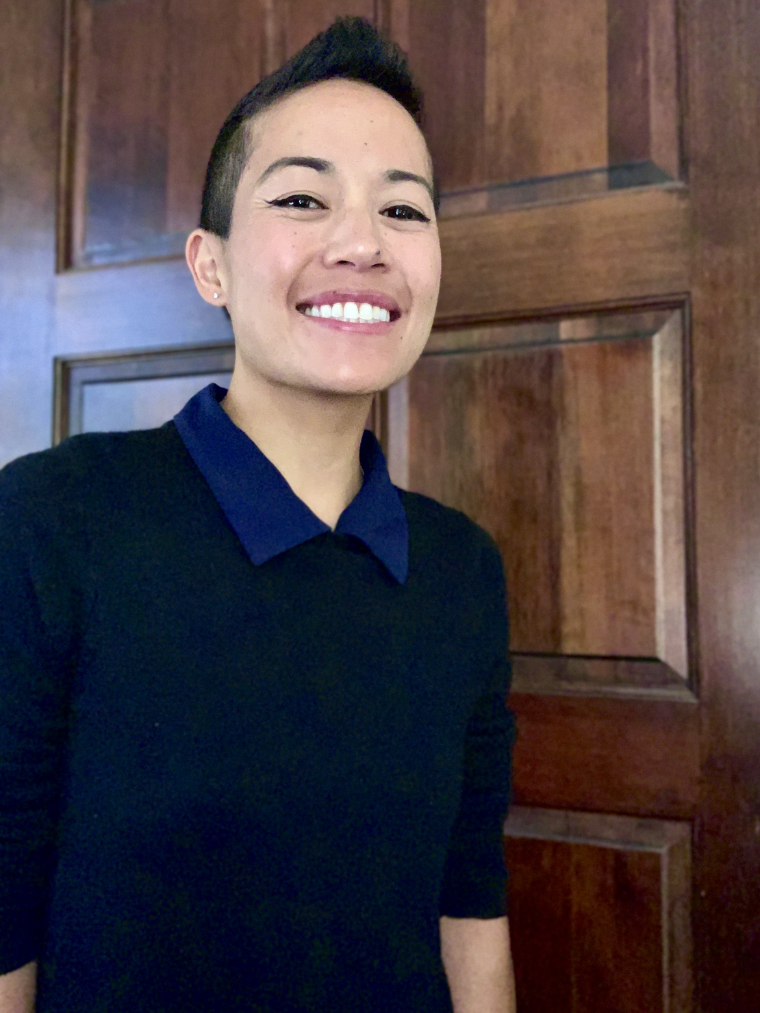
"After having just graduated from UC Berkeley, I was seeking a program that would provide me both a community and a solid academic foundation. And today I am so grateful to say that SCU’s Counseling and Psychology program gave me exactly that. It’s because of the relationships, the knowledge, and the practice I received from this program did I then have the opportunity to become the type of therapist I had sought out to be."
- Kim Panelo Xue, ’10, Counseling Psychology
MA in Counseling Psychology
Transform Lives. Build Community. Create Change.
MA in Counseling Psychology Highlights
Program at a Glance
Our vision imagines a region and world in which everyone has access to an inspiring education and the psychological tools and support to propel them toward flourishing lives of meaning, purpose and connection.
The Counseling Psychology Difference
Location in the Bay Area
Located at the heart of Silicon Valley with access to diverse clinical sites across the San Francisco Bay Area. Our students complete practicum placements in hospitals, community mental health centers, schools, and specialized clinics.
World-Class Faculty
Learn from licensed clinicians and researchers who bring real-world expertise to the classroom. Our faculty are actively engaged in clinical practice, research, and community service.
Clinical Excellence
Gain 600+ hours of supervised practicum experience in community settings. Our comprehensive training prepares you for independent clinical practice and licensure as an MFT or LPCC.
Social Justice Values
Rooted in Jesuit values, we prepare culturally responsive therapists committed to serving marginalized communities. Our curriculum emphasizes diversity, equity, and inclusion throughout.
Licensure Preparation
Comprehensive preparation for MFT and LPCC licensure with 85%+ first-time pass rates. Our program meets all California Board of Behavioral Sciences requirements and prepares you for licensure exams.
Flexible Specializations
Choose from 5 emphases to tailor your training to your passion and career goals: Latino Counseling, Health Psychology, LGBTQ Counseling, Correctional Psychology, and Child & Adolescent Mental Health.
Choose Your Licensure Track
Our program offers four distinct tracks to match your career goals and licensure objectives.
MFT Track
The Marriage and Family Therapist track prepares you for licensure in California. Focus on relational and systemic approaches to counseling individuals, couples, and families.
View Tracking Sheet →LPCC Track
The Licensed Professional Clinical Counselor track is portable across states. Primarily focused on individual adult clients with coursework meeting national standards.
View Tracking Sheet →Joint MFT/LPCC Track
Pursue both licenses simultaneously within the 90-unit program. Gain comprehensive training for maximum career flexibility and licensure options.
View Tracking Sheet →No Track
For individuals seeking extensive training without pursuing licensure. Ideal for those desiring advanced education beyond the 52.5-unit MA programs.
Learn More →Emphases & Concentrations
Specialize your training with one of our five emphasis areas
Latino Counseling
Cultural Competence
A focus on culturally and linguistically appropriate counseling experiences centered on a deep understanding of Latino culture, ethnicity, acculturation, and immigration.
- Bilingual counseling training
- Cultural identity development
- Immigration trauma specialization
Health Psychology
Mind-Body Wellness
Apply psychology to issues of well-being, stress management, modification of health behaviors, health promotion, wellness, and disease prevention.
- Chronic illness management
- Medical settings expertise
- Behavioral health integration
LGBTQ Counseling
Affirming Practice
Training in the application of counseling to issues of gender, diversity in sexual identity and expression, oppression, discrimination, and acculturation.
- Gender-affirming therapy
- Coming out support
- LGBTQ+ family dynamics
Correctional Psychology
Justice & Rehabilitation
Prepare for careers in community and law enforcement agencies, correctional institutions, mental health and rehabilitation facilities, and group homes.
- Forensic assessment skills
- Trauma-informed corrections
- Reentry counseling
Child & Adolescent Mental Health
Youth Development
Develop proficiency in supporting children, teens, and young adults through early intervention, school-based settings, trauma-informed care, and evidence-based approaches.
- Developmental psychopathology
- Play therapy techniques
- School-based interventions
Meet Our Students
Every student's path is different, but they share a common experience of growth, discovery, and transformation
Career Outcomes
Our graduates are making a difference in communities across California and beyond
Common Career Paths
- Licensed Marriage & Family Therapist (MFT)
- Licensed Professional Clinical Counselor (LPCC)
- Community Mental Health Counselor
- School-Based Counselor
- Hospital/Medical Center Therapist
- Private Practice Therapist
- Correctional Psychology Specialist
- Child & Adolescent Therapist
Admissions
Start your journey to becoming a licensed therapist
Our admissions team looks for:
- Bachelor's Degree – All majors accepted
- Strong academic record (minimum 3.0 GPA preferred)
- Experience in psychology, counseling, or related fields (volunteer or professional)
- Clear statement of purpose demonstrating commitment to the field
- Letters of recommendation from academic or professional sources
International Applicants:
- Academic records must be evaluated by a NACES member organization
- English proficiency test required (TOEFL, IELTS, or Duolingo)
For your application, you'll need:
- Completed online application
- Non-refundable application fee
- Official transcripts from all colleges/universities attended
- Personal statement (500-750 words)
- Resume or CV
- Three letters of recommendation
- GRE scores (may be waived for qualified applicants)
Fall Admission (Program starts September):
- Priority Deadline: January 15 (for scholarship consideration)
- Final Deadline: March 1
Spring Admission (Program starts January):
- Priority Deadline: September 15 (for scholarship consideration)
- Final Deadline: November 1
We know you have questions! Our admissions team is available for one-on-one phone or virtual appointments. Schedule a meeting to discuss:
- Program requirements and curriculum
- Track selection (MFT vs. LPCC)
- Emphasis areas and specializations
- Financial aid and scholarship opportunities
- Career outcomes and licensure preparation
Cost & Financing
Invest in your future with multiple financing options
Program Costs
Estimated tuition and fees for 2025-2026:
- Cost per unit: Contact admissions
- Total units required: 90-93
- Estimated total cost: Contact admissions
*Program fees are subject to adjustment annually. Visit the University Financial Aid Office for current cost of attendance.
Scholarships
Merit scholarships available:
- Automatic consideration with application
- Priority given to early applicants
- Partial tuition scholarships awarded
- No separate application required
Financial Aid
Additional funding sources:
- Federal student loans
- Private loans
- Graduate assistantships
- Work-study programs
Contact:
Phone: (408) 551-1000
Email: onestop@scu.edu
Frequently Asked Questions
The MFT (Marriage and Family Therapist) track is California-specific and focuses on relational and systemic approaches to counseling individuals, couples, and families. The LPCC (Licensed Professional Clinical Counselor) track is portable across states and primarily focuses on individual adult clients, meeting national rather than state-centric standards.
A major difference is that for the MFT license, a significant number of the required 3,000 training hours can be completed prior to receiving the Masters degree, while the LPCC requires all 3,000 hours to be accrued after graduation.
Yes! Many of our students work part-time or full-time while completing the program. The 90-unit program is designed as a three-year program, with classes typically held in the evenings and some weekends to accommodate working professionals. However, the intensive nature of the coursework and practicum requirements means you'll need to carefully balance work and academic commitments.
Students complete a minimum of 600 hours of supervised clinical practicum experience over two academic years. Practicum placements are in community mental health centers, hospitals, schools, correctional facilities, and other approved clinical sites throughout the Bay Area. Students receive individual and group supervision from licensed clinicians.
No! We accept students from all undergraduate majors. While a background in psychology or related fields is helpful, many successful students come from diverse academic backgrounds including business, education, social work, communications, and more. What's most important is a genuine commitment to the counseling profession and helping others.
After completing the program, you'll need to accumulate 3,000 hours of supervised clinical experience (typically 2-3 years), pass required exams, and complete additional coursework if needed. The total time from starting the program to full licensure is typically 5-6 years. However, MFT students can begin accruing some hours during the program, which may shorten the timeline.
Ready to Transform Lives?
Join our community of dedicated counselors and therapists making a difference in the Bay Area and beyond. Start your application today.