Stories
What are we Actually Measuring When we say Someone is Aging Well?
Science has measurements that evaluate aging, but what are we actually measuring, and what criteria are being used to determine what is considered success?
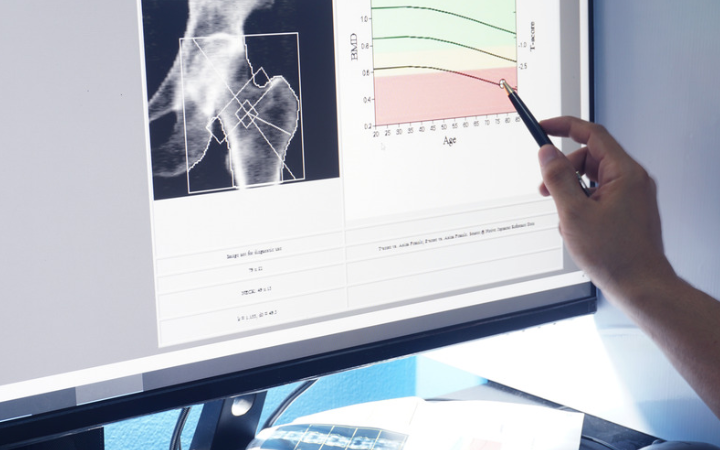
Director of Bioethics, Guadalupe Hayes-Mota, distinguishes between recording a health condition and assigning meaning to it: “Writing down someone’s bone density or walking speed is documentation. Calling their aging ‘unsuccessful’ is a verdict.”
Describing an outcome as successful can imply achievement by the individual, even if the individual had no control over the conditions leading to the outcome. “Once you can measure aging and do something about it, decline starts to look like a choice,” observes Hayes-Mota.
“Once optimization becomes a duty, society can hand the problem of aging back to individuals,” Hayes-Mota said. “Then it never has to ask why some of them had so much less to work with.”
Guadalupe Hayes-Mota, director, bioethics, quoted by The Care Capitalist Substack.