Government Ethics
The Markkula Center for Applied Ethics explores Government Ethics issues including campaign ethics, conflicts of interest, gifts to officials, transparency, budgeting, and other topics.
Meet Director, Government Ethics, Davina Hurt J.D. ’03
Government ethics is about trust. It means making sure that public power is used for the public good — not for personal gain.
But as James Baldwin reminded us, you cannot rebuild trust on illusions. You rebuild it by telling the truth — even when it’s uncomfortable — and by acting on that truth.
That starts with some basics: avoiding conflicts of interest, being transparent about decisions, and holding leaders accountable. These aren’t just rules on paper — they’re how we make sure people believe government is fair and effective.
Government ethics is the practice of making power trustworthy. It’s proactive, it’s inclusive, and it’s essential to strengthening the bond between leaders and the people they serve.
Government Ethics Fellowship
The Government Ethics Fellowship is open to juniors and seniors with a major or minor in social sciences, humanities, or business.
Fellows work approximately four to five hours per week on projects at the intersection of policy and ethics with Davina Hurt, Director of Government Ethics at the Ethics Center.
Commentary on Government Ethics
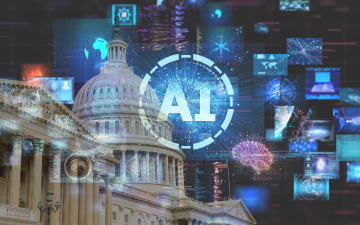
Across races from Georgia to New York, deepfakes are steering political narratives and voter perception.

The deadly attack on our gift-giving ally, Qatar, exposes the dangerous precedent of accepting massive foreign donations.

When agencies such as ICE target identity rather than conduct, they violate fundamental principles of governmental ethics: that law enforcement must serve all persons equally and that government power must be exercised impartially under law.
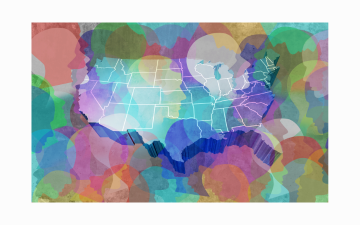
Congressional district boundaries don't just organize votes; they determine whose voices matter and whose are diminished.

Conflicts of Interest in Government
Five Common Conflicts of Interest in Government and How to Prevent Them
How officials can avoid and prevent even the appearance of acting to benefit their personal and financial interests, at the cost of the public’s interest.
Code of Ethics Guidelines
Writing a code of ethics? View samples curated from professional associations and state and local governments.

Browse our commentaries on civic virtue, campaign ethics, lobbying, and current events.

Dive deep into real-life conflicts of interest, whistleblowing, gifts and bribes, and cronyism.

Hear what our staff and fellows are saying about voting, public trust, transparency, and more.

Government Ethics Advisory Council
This team of professionals from public, private, and academic sectors collaborates with the Ethics Center to identify and prioritize complex, government-related ethical issues.
Recent Media Mentions

Davina Hurt, director, government ethics, quoted by San José Spotlight.
Davina Hurt, director, government ethics, quoted by Spotlight PA.

Davina Hurt, director, government ethics, quoted by The Charlotte Observer.
Davina Hurt, director, government ethics, quoted by San José Spotlight.
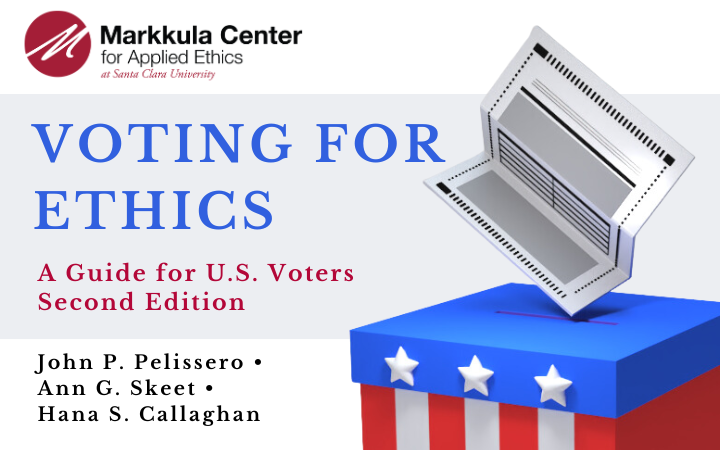
Voting for Ethics: A Guide for U.S. Voters
“Voting for Ethics” is a non-partisan, how-to guide for U.S. voters. It will help you identify the hallmarks of an ethical candidate and make a more informed decision -- whether for your local school board or a national election.
Campaign Ethics: A Field Guide
This guidebook is designed to help those managing or engaging in political campaigns do so in an ethical manner. It also serves as a valuable resource to voters, helping them identify the hallmarks of an ethical campaign.
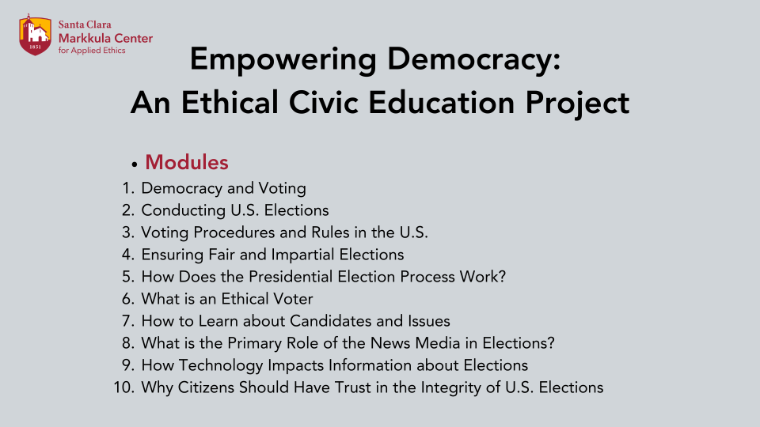
Empowering Democracy: An Ethical Civic Education Project
The Markkula Center for Applied Ethics has developed a curriculum on the ethical value of democracy, especially the duty to participate in voting and elections. The goal of this educational program is to enhance the education of young people on civics and ethics that will expand knowledge, empower democratic participation in our electoral processes, and help restore trust in government. The Empowering Democracy Curriculum can be taught as a special undergraduate course in colleges and universities or in the high school curricula.
The Ethics of Voting: Voting Rights and Voter Suppression
Are laws always ethical? How have voting rights recently been restricted within the United States? Are state officials abusing their power in unethical ways to change voting regulations?
In this episode of the Wild Beasts podcast, John Pelissero, former director of government ethics at the Markkula Center for Applied Ethics discusses voting rights, disinformation, discrimination, and voter suppression.