Voting for Ethics
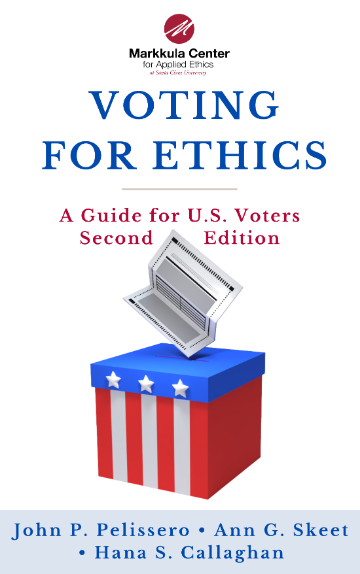
Voting for Ethics: A Guide for U.S. Voters, 2nd ed., Palmetto Publishing, August 2024.
Voting for Ethics is a non-partisan guide that equips U.S. voters to make informed decisions. It emphasizes identifying ethical candidates, irrespective of political affiliations.
The updated second edition delves into the role of artificial intelligence in politics and the importance of a candidate's commitment to the peaceful transition of power. This book is a call to action for voters to scrutinize candidates' integrity, ensuring their vote contributes to an ethical political landscape.
Purchase Voting for Ethics: A Guide for U.S. Voters from Amazon
This guide to ethical behavior should be required reading for every candidate for public office. As a former public official, I believe the greatest reward of public service is to make people's lives better...but that can only happen with candidates who are honest, ethical, and respect the dignity of those who elected them to office.
Commentary on Democracy and Government

Across races from Georgia to New York, deepfakes are steering political narratives and voter perception.

Though much has been written in recent weeks about the hallmarks of the second Trump administration, little has been written about the absence of care—an overarching feature of this presidency’s first months in office.
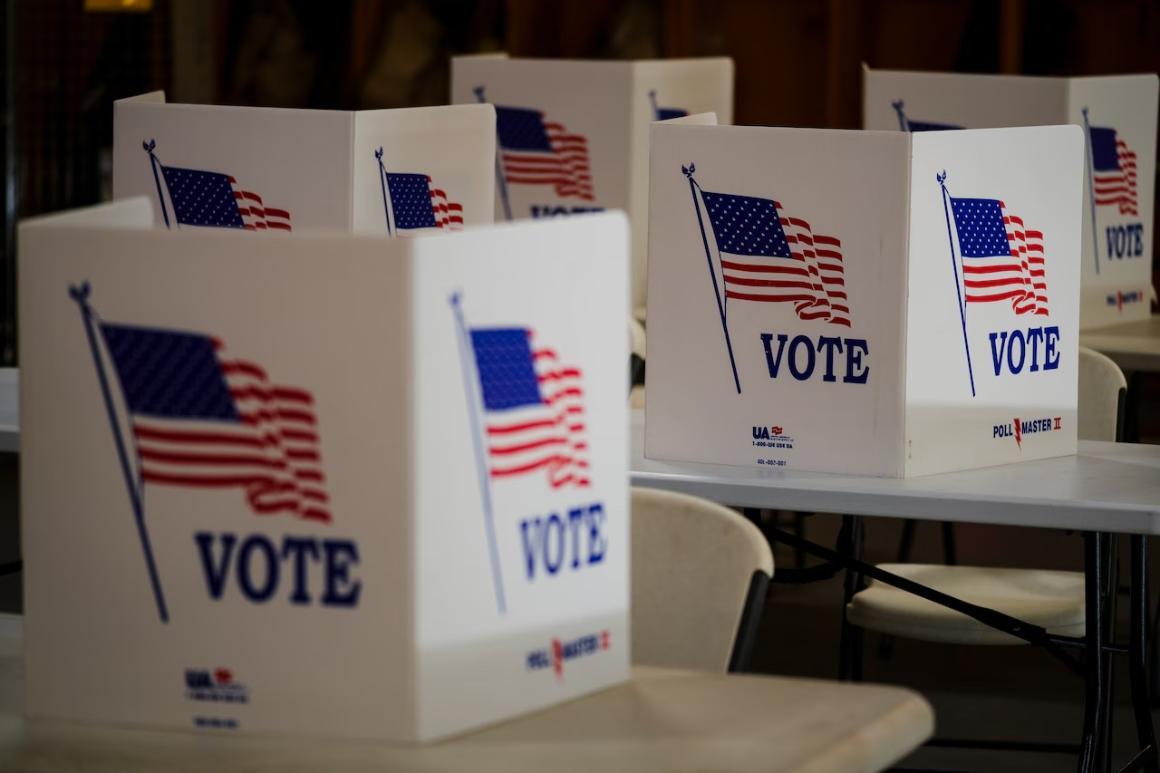
Undecided voters need to decide. They have an obligation to become informed and an ethical duty to vote as part of the rights they receive as citizens.
Increasingly, people’s identities are wrapped up with their politics, reinforcing the sense that we are part of tribes that cannot find common ground. Ethics can be that common ground.
Commentary on Democracy and Media

Why did the affordability crisis, misinformation, immigration chaos, and endless wars not split the Black women’s vote? Civic duty and protecting hard-won freedoms.
U.S. Journalism leaders offer lessons and moral framing to help political reporters better cover low-income and poor Americans as voters.
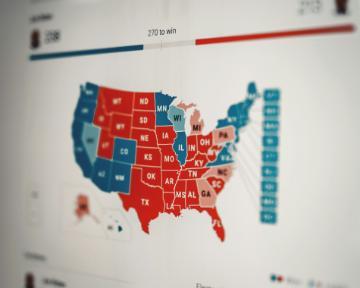
The Kamala Harris-Donald Trump presidential debate missed the voices of America's biggest category of 'swing voters'--low-income and poor people.
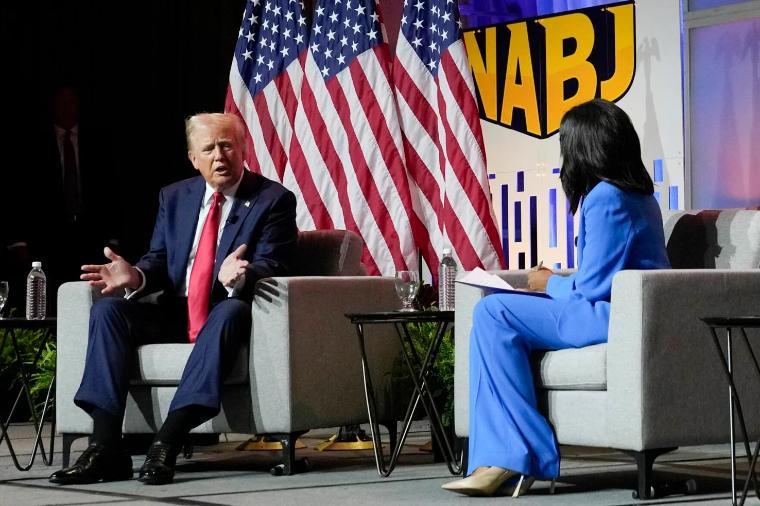
At the NABJ convention in Chicago on July 31st, Donald Trump Asked Rachel Scott To Define DEI. She Should Have.
Voting for Ethics in the 2024 Elections - Event Recording
A conversation with Voting for Ethics: A Guide for U.S. Voters, 2nd ed. coauthors John Pelissero and Senior Director of Leadership Ethics Ann Skeet, moderated by KQED Correspondent, and Santa Clara University Alum, Guy Marzorati ’13.
They discuss how to determine if candidates are ethical, conducting an ethical campaign, and fundraising in an ethical fashion, and, how ethics should be central to voters’ assessment of campaigns and candidates. They review how electoral campaigns have changed in the past few years, including the issues of truthfulness, integrity, and the responsible use of generative AI in campaigns.
Access the Voting for Ethics Event Recording

The Ethics of Voting: John Pelissero on Voting Rights and Voter Suppression
Are laws always ethical? How have voting rights recently been restricted within the United States? Are state officials abusing their power in unethical ways to change voting regulations?
John Pelissero, former director of government ethics discusses voting rights, disinformation, discrimination, and voter suppression.
About the Authors



The late Hana S. Callaghan was the director of government ethics at the Markkula Center for Applied Ethics of Santa Clara University from 2014 to 2020. She wrote the first edition of this book (2020) and Campaign Ethics: A Field Guide (2018). She was a leader in the ethical political campaign movement.
For More Information
The Markkula Center for Applied Ethics staff and affiliated scholars can provide commentary and background information for media on a variety of government and ethics related topics including voting, elections, and campaigning.
For additional details contact Davina Hurt, Director, Government Ethics, or Joel Dibble, Senior Director, News and Public Relations at jdibble@scu.edu.