In Central America, smallholder farmers play a crucial role in supporting the livelihoods of their families and communities. Studies estimate that approximately 90% of agriculture in the region relies on rainfall. The “Central American Dry Corridor,” home to a significant portion of fertile agricultural land, experiences dry seasons lasting up to six months. Here, the timing and magnitude of the rainy period are crucial for water and food security.
While communities in Central America have contributed minimally to the immediate causes of climate change, they are highly vulnerable to severe disruptions from global warming. Moreover, the region's unique geography and the limited availability of ground measurements for climatic variables pose significant challenges when assessing climate variability and change.
In response, our research collaboration aims to expand the knowledge base on climate variability and change in the community to a regional scale and support communities in strengthening their resilience to expected changes.
To learn more about any of our specific projects, browse through our projects below.
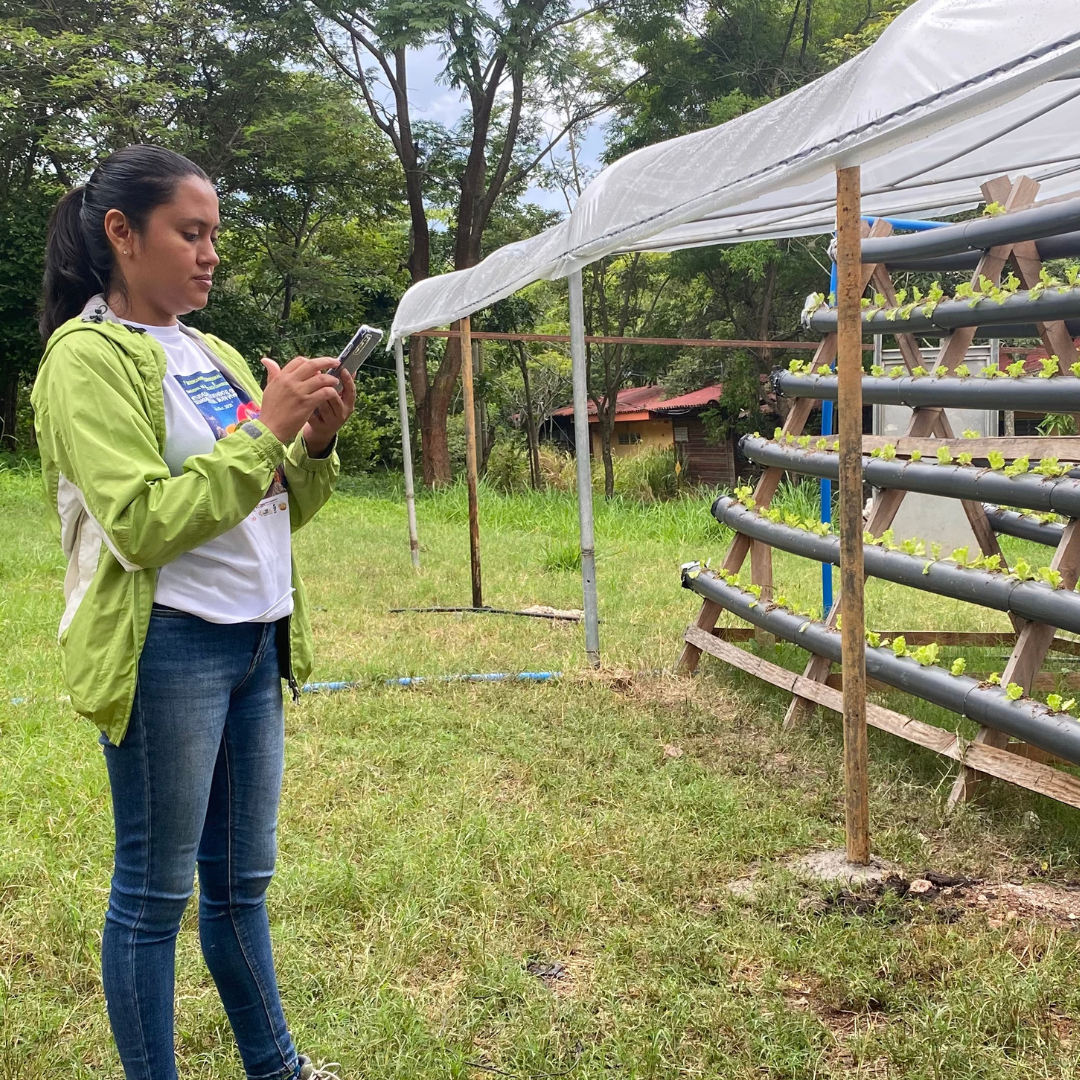
A Forecasting App to Support Climate Change Adaptation
Leads: Allan Baez Morales, Iris Stewart-Frey, Ed Maurer, Raul Diaz, Qiuwen Li
Graduate Students: Gautam Chitnis, Tanmay Singla, Giulliano Silva Zanotti Siviero
Undergraduate Students: Alex Avila, Turner Uyeda, Bri Guingona, Sara Wheeler
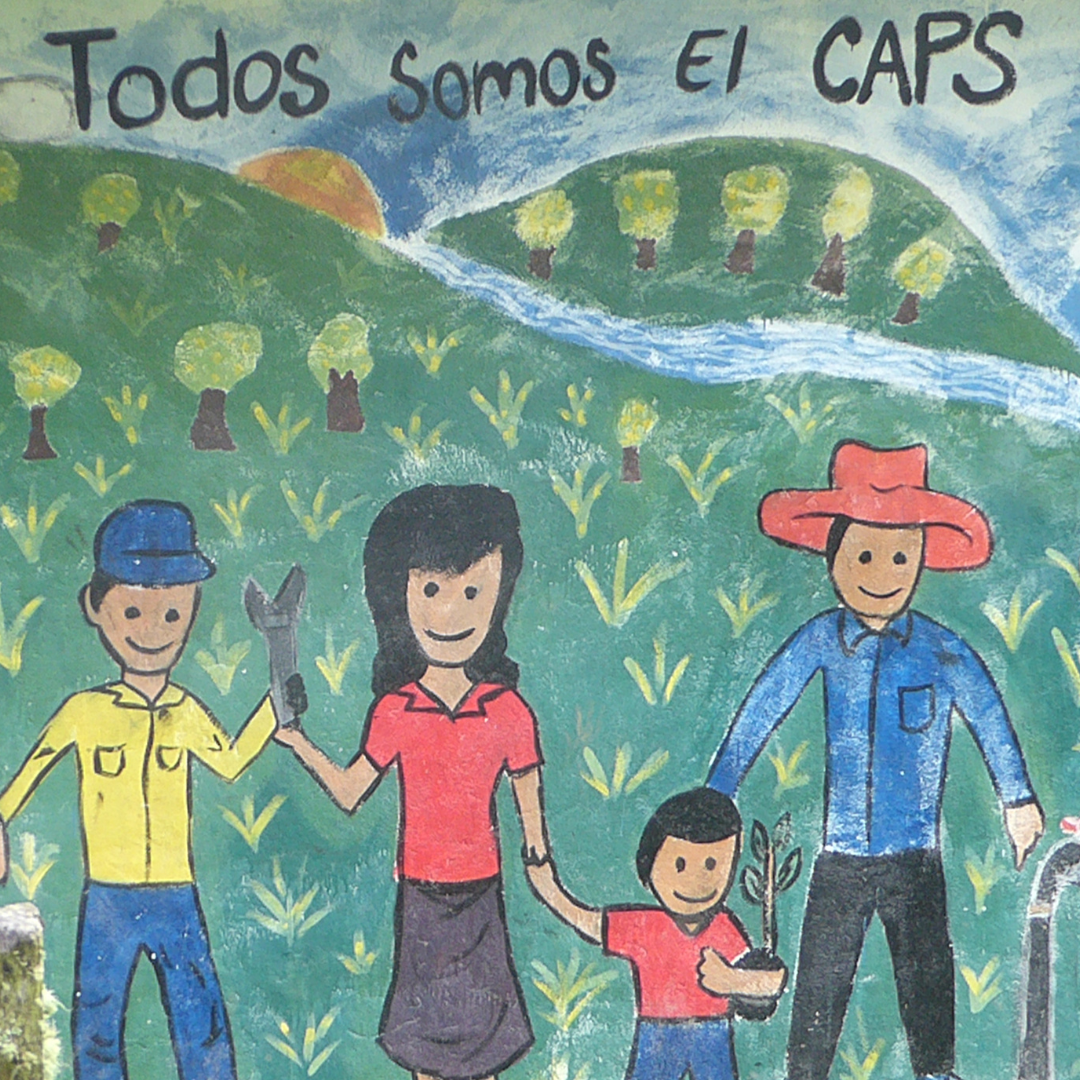
Experiences of Water Security and Climate Change Preparedness
Leads: Iris Stewart-Frey, Ed Maurer, Allan Baez Morales, Raul Diaz
Students: Bri Guingona, Paola Felix, Andrew Bake, Chloe Montgomery
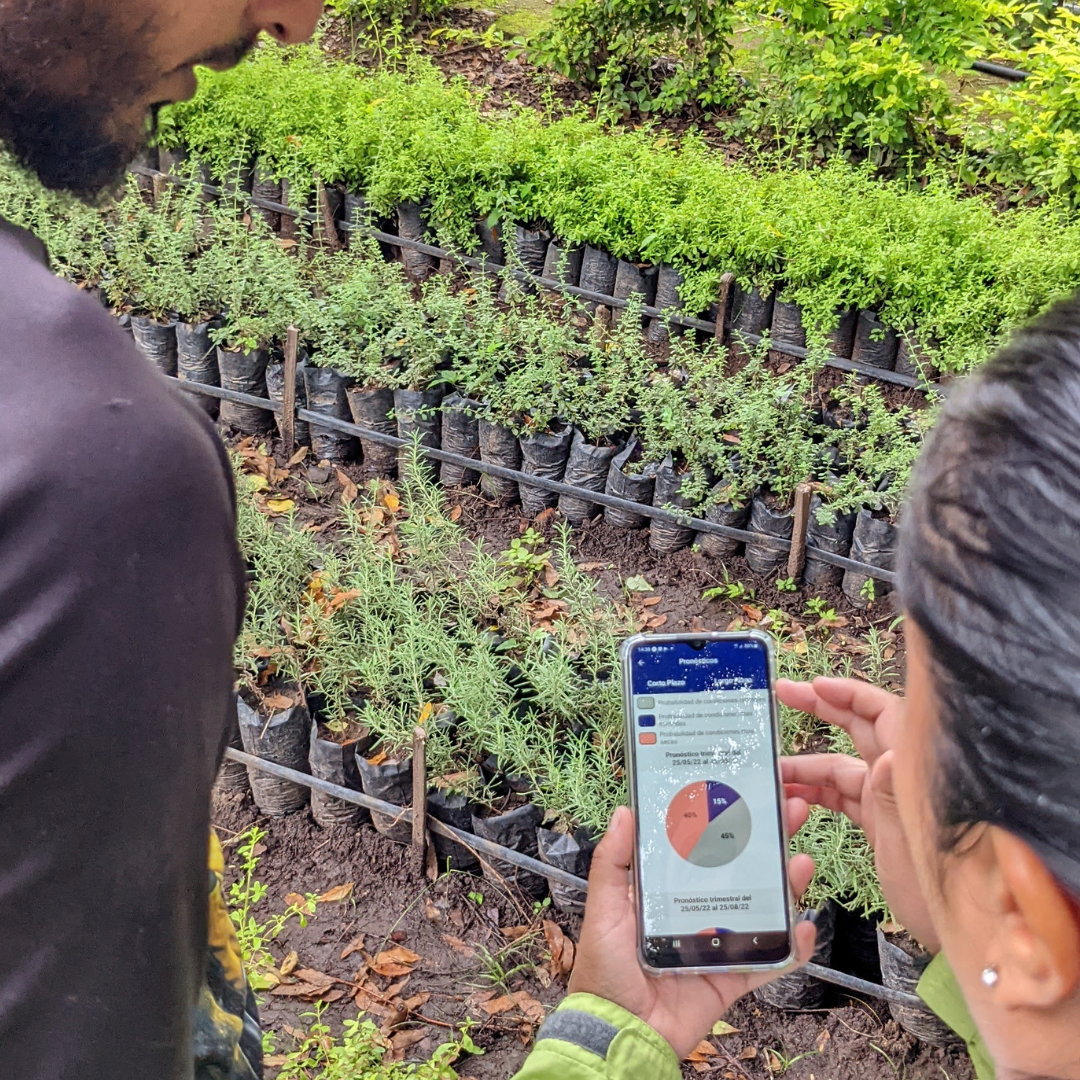
Producing Short and Medium-Term Forecasts to Support Climate Adaptation
Leads: Ed Maurer, Iris Stewart-Frey
Students: Turner Uyeda, Alex Avila, Kenny Joseph
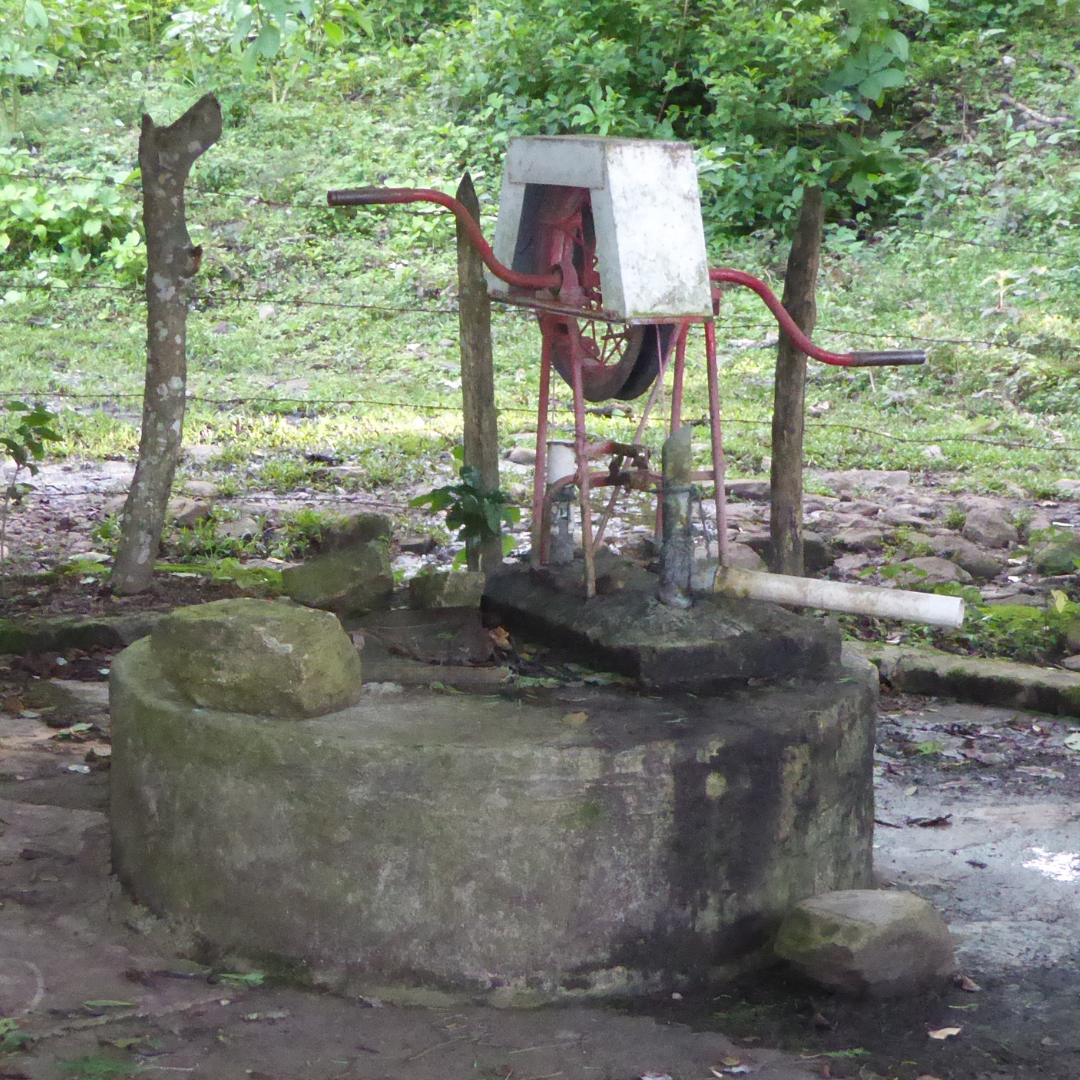
Climate Change in the Most Vulnerable Regions
Leads: Iris Stewart-Frey, Ed Maurer
Student: Kenny Joseph
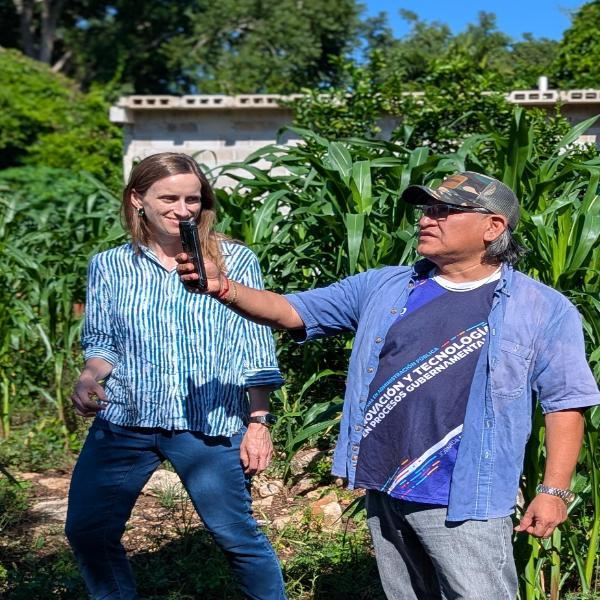
Agricultural Heritage and Climate Adaptation in Yucatán, Mexico
Lead: Maia Dedrick, Adolfo Iván Batún Alpuche, Allan Baez Morales, Iris Stewart-Frey, Qiuwen Li
Students: William Alexander, Ximena Garcia-Isabelli, Arturo Torres Torres Landa
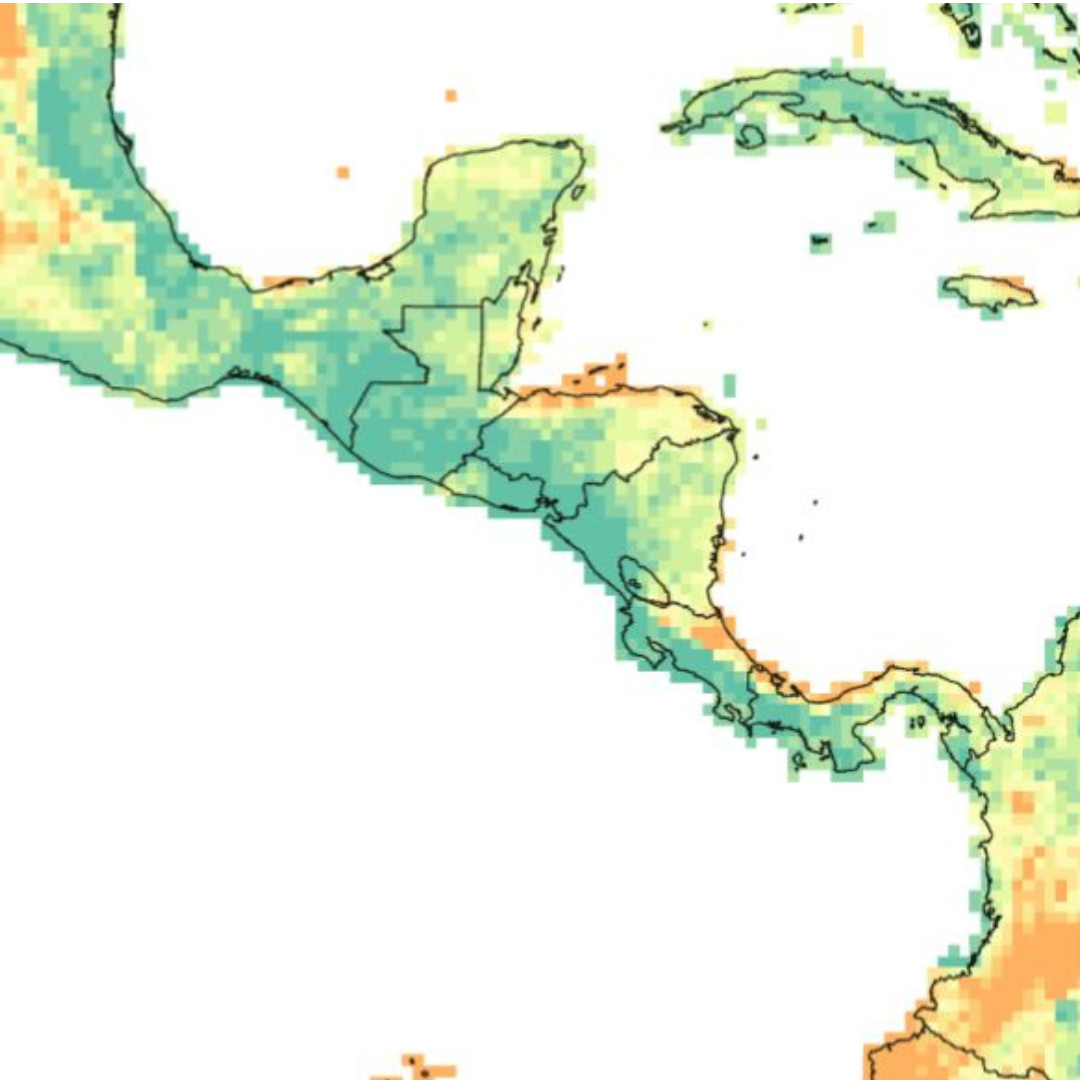
Mid-Summer Drought Trends
Leads: Ed Maurer, Iris Stewart, Hugo Hidalgo
Students: Kenny Joseph, Turner Uyeda, Alex Avila