The Markkula Center for Applied Ethics offers articles, case studies, videos, and other resources on ethics for journalists and others in the media field.
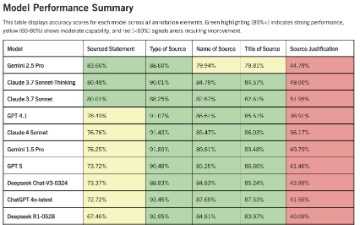
Teaching Media Sourcing Literacy Through Annotations
The Markkula Center’s Journalism and Media Ethics program has a focus on journalistic and information sourcing as it studies and advises diverse stakeholders. Whether you are a media studies academic, or an industry product or policy manager (news, trust and safety, etc.), or a student interested in the latest intersections of ethics, news, and technology, this list of projects and outputs might interest you.
Before you Prompt
A creative and ethical inquiry into what it means to be a designer, or any kind of creator, in an AI-saturated world. By Zara Shroff ’25, a 2024-25 Hackworth Fellow at the Markkula Center for Applied Ethics.

Guardrails for News Headlining
This applied ethics module, 'Guardrails for News Headlining,' provides a set of three principles and related norms to propose a checklist for everyday news headlining. It is primarily targeted at all headline writers in newsrooms, including news editors, SEO specialists and social media editors.

Teaching Media Sourcing Literacy Through Annotations
This guide to teaching sourcing literacy (to students in particular) breaks down sources and their inclusion in news stories into structured parts and shows anyone how to identify the parts separately and populate a spreadsheet.

How Must Journalists and Journalism View Generative AI?
Should the news media industry should use Generative AI for journalistic writing?
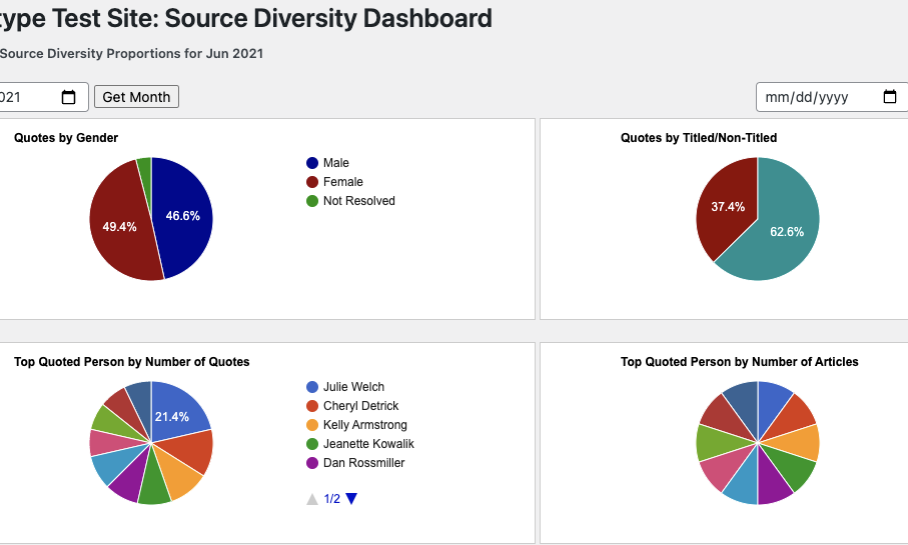
Journalism Source Diversity Dashboard and Monitor
A new application helps journalists track the diversity of the expert quotes used in article drafts, providing real-time updates and helping reporters ensue equitable representation of the communities they cover.
Ethical Casting in a Racially Realized Hollywood: A Framework
While the usual festivities and celebration surrounding the annual Academy Awards, otherwise known as the Oscars, commenced on the silver screen, perhaps what has emerged to be an awakening for Hollywood was gaining traction behind the scenes.
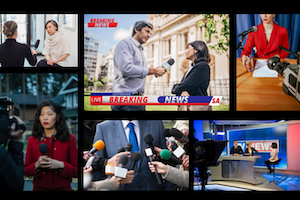
How Might Political Journalists Hold Leaders Accountable to Their Moral Values?
Why do people disagree so passionately about what is right and how can journalists unpack political speech and reframe their questions to get past those disagreements?

Applying Moral Foundations Theory to Journalistic Interviewing
Passionate and heated disagreement about what is “right” and “wrong” is common in modern society, especially when people discuss hot-button issues such as policing, abortion, immigration, and guns. As journalists, we encounter this when we interview political leaders and voters alike. Journalists often ask provocative or searching or critical questions of politicians in an implicit or explicit “right” or “wrong” frame. When the leaders respond, they imply what they see as “right” and “wrong” grounded in their own moral sense.
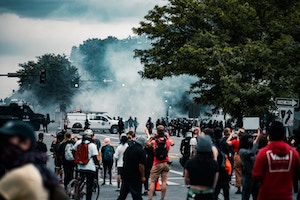
An Ethics Report Card: 3 Dilemmas for News Coverage of Mass Shootings
The news media is making progress on how to responsibly and ethically report on mass shootings.

Journalism Ethics Resources for Newsrooms and Classrooms
Materials on digital journalism ethics for use by professionals and students.
Journalism Ethics Codes
Links provide access to media codes of ethics and other resources for journalists.

Journalism and Media Ethics Articles
Reporters, editors, media organizations, and the general public can find resources on news curation, news literacy, data visualization, inclusion and other issues in media ethics.

Journalism and Media Ethics Cases
What online photos can be borrow without violating copyright? Should newspapers publish the names of the victims of sexual assault? What can reporters do about headlines that over-hype their stories?

Student Journalism Ethics Cases
Is it ethical for a student journalist to cover a friend’s organization? If the university asks for a story to be removed or changed, is a university (student-run) newspaper editor obligated to comply? If students who are sources for a story wish to remain anonymous, should a student journalist still use their quotes?
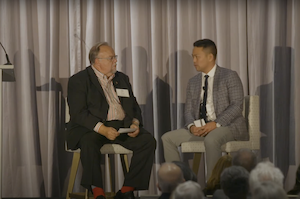
Journalism and Media Ethics Videos
Leaders in the field of digital journalism talk about the ethical issues in their field, including journalism's mission in the public square and whether technological approaches can solve ethical dilemmas.