Our Motivation
Climate change is progressively increasing individual and community exposure to environmental hazards, and recent data indicates that the warming climate is intensifying the hydrological cycle. The hydrological intensification will result in an increase in frequency and severity of precipitation events, and by 2050, climate change alone is projected to escalate flood risks by more than 26% (Wing et al. 2020). As a result of socio-ecological dynamics and historical inequalities, it is largely marginalized communities facing vulnerability to catastrophic environmental disaster. Communities shaped by discriminatory land use and limited political influence are more exposed to flood hazards, and these historically underserved and socially vulnerable communities (HUSVCs) face a disproportionate share of financial burden. One aspect of financial losses are attributed to damage in infrastructure. As the risk of flood events increases, governments are increasingly reliant on flood prevention and flood control infrastructure (FCI) to mitigate flood hazards. Such infrastructure includes levees and floodwalls that are built to contain high water flows within a river or stream channel and prevent floodwater from spilling onto the floodplain. Approximately 17 million people live, work, and attend school behind levees in areas that were previously uninhabitable due to flooding risks. However, changes in the frequency and intensity of extreme weather events has caused annual flood-related damage to infrastructure to surge, begging questions of how infrastructure will hold up as hazard exposure increases and how to mitigate the inequitable risks facing HUSVCs.
In response to increasing climatic hazards, new frameworks for flood mitigation and adaptation strategies that integrate the equitable distribution of risk are needed. Our research aims to integrate environmental justice with the performance of levee systems in the context of climate adaptation by using the March 2023 flood in Pajaro, California as a case study. In using the March 2023 flood in Pajaro, California as a case study, our study assesses the unique risks and experiences of a HUSVC amidst environmental disaster and answers the following questions to develop frameworks for flood mitigation and adaptation strategies: (1) How do environmental justice frameworks explain the experience of flooding and flood risk in affected communities?, (2) How do the identities of the affected communities shape their experience of levee failures, flooding, and recovery efforts?, and finally (3) How can an environmental justice lens guide us toward more equitable approaches in risk assessment, disaster prevention, and recovery, especially in historically marginalized communities living behind levees?
Our Approach
Our research employed a participatory mixed methods approach to examine the historical and geopolitical factors behind the levee failure and flooding in Pajaro. This included (i) a spatial analysis of socioeconomic indicators in Pajaro, (ii) semi-structured interviews with Pajaro residents to explore their experiences with flooding, community resilience, and access to aid, and (iii) an assessment within an environmental justice framework to contextualize social vulnerability and identify opportunities for change.
In the early hours of March 10, 2023 the small town of Pajaro, California was flooded by several feet of water after an intense storm and ensuing levee failures. Shortly after midnight on March 11, authorities ordered more than 1,500 people to evacuate. At least 1,700 of the approximately 2,000 residents of Pajaro were affected. The Pajaro community is predominantly Hispanic and low-income where many residents work as farm laborers. The severe linguistic isolation, elevated unemployment, and low household income contributes to its high social vulnerability index (SVI) – a measure of how certain social groups are disproportionately impacted by natural disasters (FEMA, 2023b). Pajaro reflects broader patterns of vulnerability found in similar levee-adjacent communities across the United States making the March 2023 flood a relevant case study in developing equitable flood mitigation frameworks.
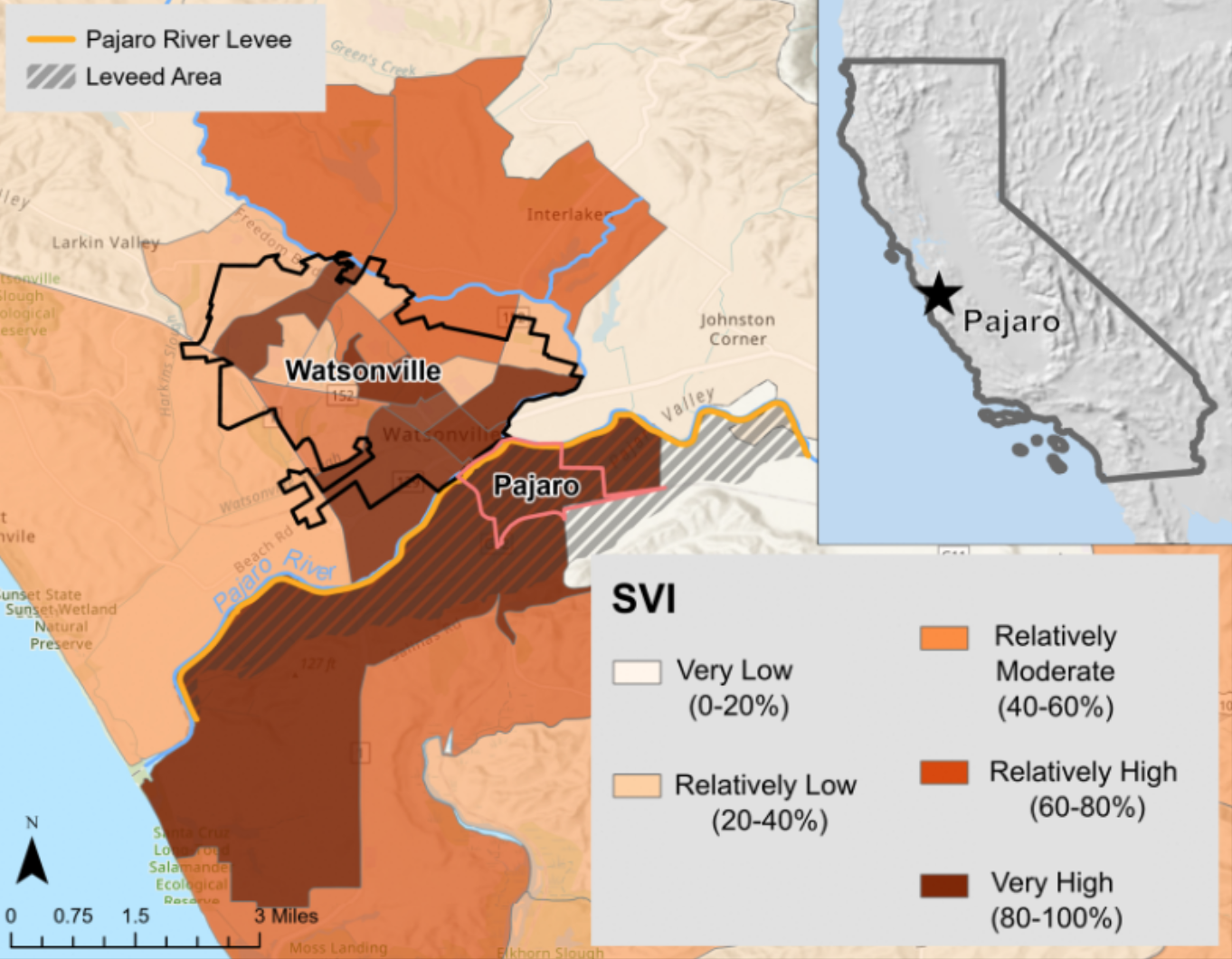 Figure 1. Location and Social Vulnerability Index for Pajaro and surroundings (FEMA, 2023b).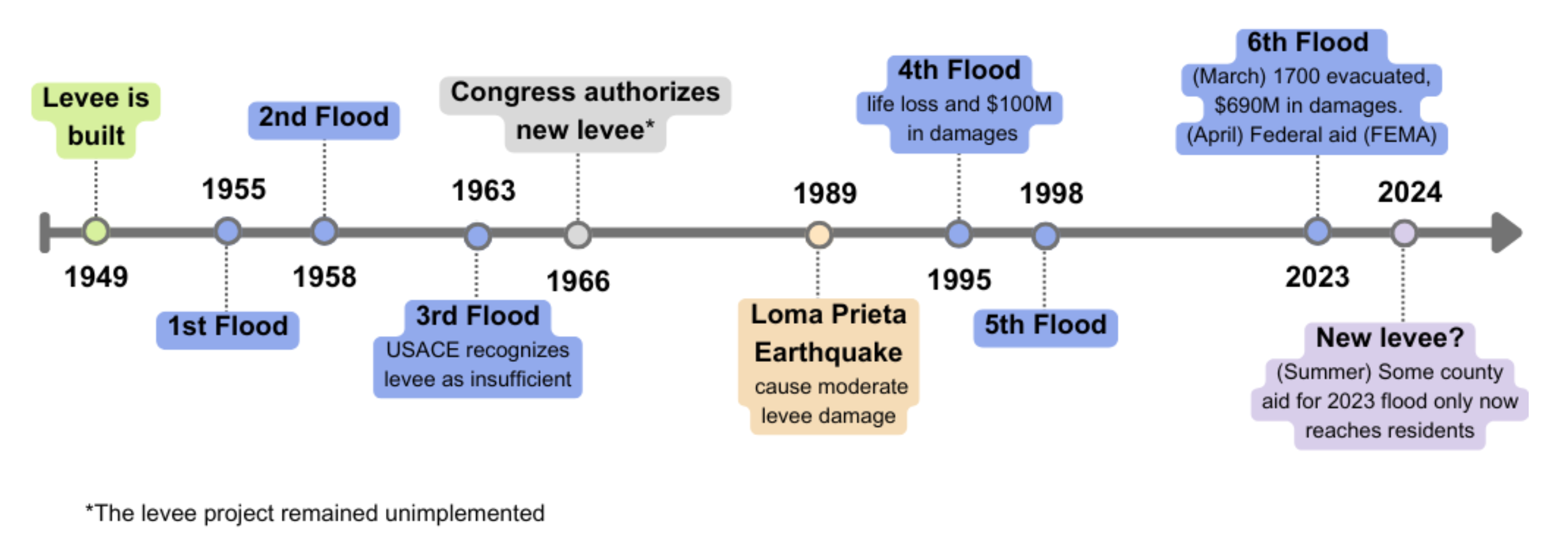
Figure 2. Timeline of Pajaro’s flooding history based on (US Army Corps of Engineers, 2024).
We also conducted 28 semi-structured interviews, each lasting 30 minutes, to collect qualitative data that explored Pajaro’s historical and geopolitical contexts. The interviews centered around 15 key questions focused on four major themes: (a) the community’s overall experiences, (b) the flooding event, © government and community support following the flood, and (d) environmental justice. All interviews were audio-recorded and transcribed. The transcripts were analyzed using thematic analysis to extract key patterns and insights. Respondents were recruited and interviewed at the local Our Lady of Assumption Catholic church, and they were given the option to complete the interview in either Spanish or English and were allowed to skip any questions if they chose.
Finally, using both the quantitative and qualitative data collected we turned to the development of an environmental justice framework that would incorporate our findings. This process integrates key concepts such as environmental justice, systemic inequity, risk ethics, procedural justice, and engineering considerations.
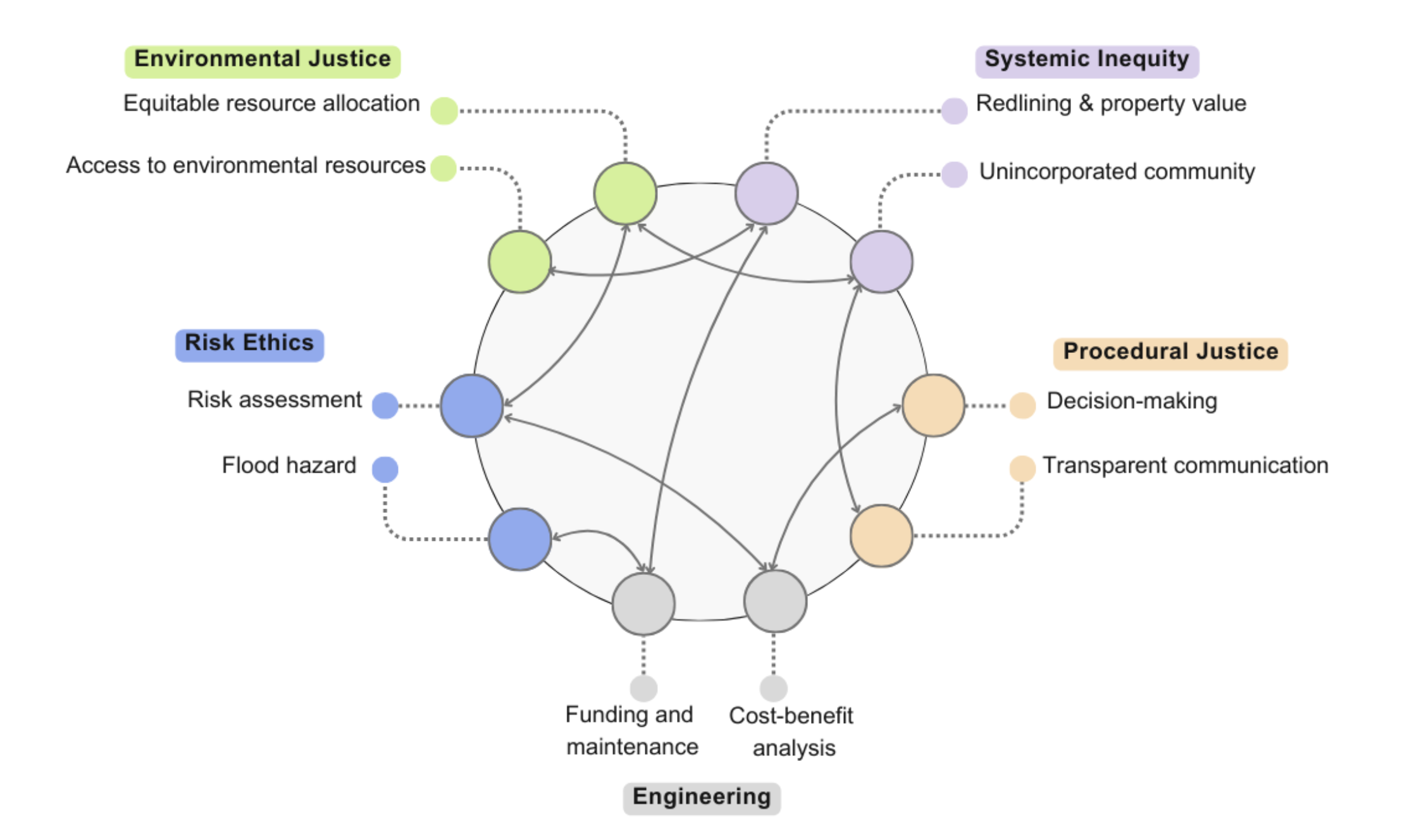 Figure 3. EJ aspects identified as relevant for consideration in the funding and maintenance decision-making process for levees as proposed by this study.
Our Results
Pajaro’s population is predominantly Hispanic, with 79.9% of the population identifying as such whereas the statewide average Hispanic population is 38.09%. The town also experiences extreme linguistic isolation – a term used to describe limited English-speaking households. In Pajaro, 82.47% of households experience linguistic isolation (with the primary languages spoken by residents being Spanish and Indigenous languages), but the average across California is 48.13% of households. While this isolation limits residents’ ability to access critical services and engage fully with broader society, it also acts as a motivation for some residents who desire to live in a predominantly Spanish-speaking community. In addition, Pajaro faces severe economic difficulties where 90% of the population lives below 200% of the federal poverty level. In comparison, the statewide average in California is 36.4% of the population. Many residents in Pajaro rely on seasonal agricultural labor, and as a result many face job insecurity and instability. Low income, coupled with high economic challenges, leads to residents facing ongoing financial strain, limiting their ability to recover from natural hazards or make necessary investments to increase their resilience.
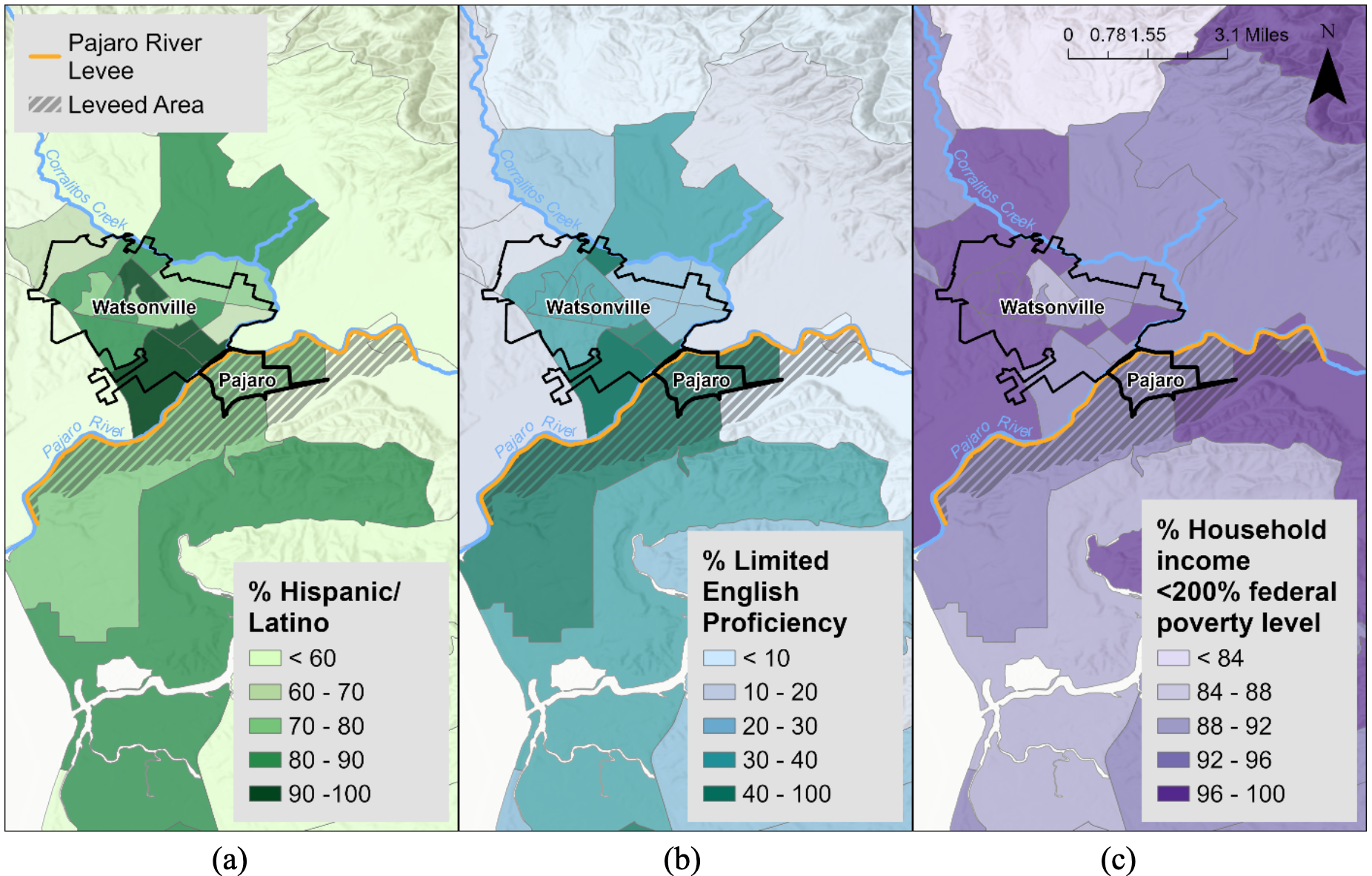
Figure 4. Socio-economic indices for the Pajaro community and surroundings based on census data (tracks) percentages: (a) Population that self-identifies as Hispanic or Latino population, (b) Adults with limited ability to communicate in English, and (c) People whose family income is less than 200 % of the federal poverty level (United States Census Bureau, 2024).
Insights into the multifaceted inequalities that disproportionately exposed Pajaro residents to flood risks and weakened their ability to respond effectively after disaster were further collected through 28 semi-structured interviews. Important demographic data was also collected from respondents to better understand the population answering our questions. Throughout interviews, a significant number of respondents expressed a desire to relocate, yet had taken few mitigation measures to safeguard against future floods. This highlights a pronounced awareness of the risk of future flooding among Pajaro residents, but also reveals the financial constraints that hinder their ability to act proactively. As an unincorporated town, Pajaro lies between Santa Cruz County to the North and Monterey County to the South. When prompted about what government entity was accountable for the levee failure, 68% of interviewees placed responsibility on Monterey County. There were fewer mentions of the responsibilities of state or federal agencies, highlighting the tendency of people to hold higher expectations for authorities in close proximity. In the aftermath of the disaster, 64% of respondents credited the community, family, and friends as their primary sources of assistance. In contrast, many expressed dissatisfaction with governmental support and only 32% of respondents reported receiving government aid.
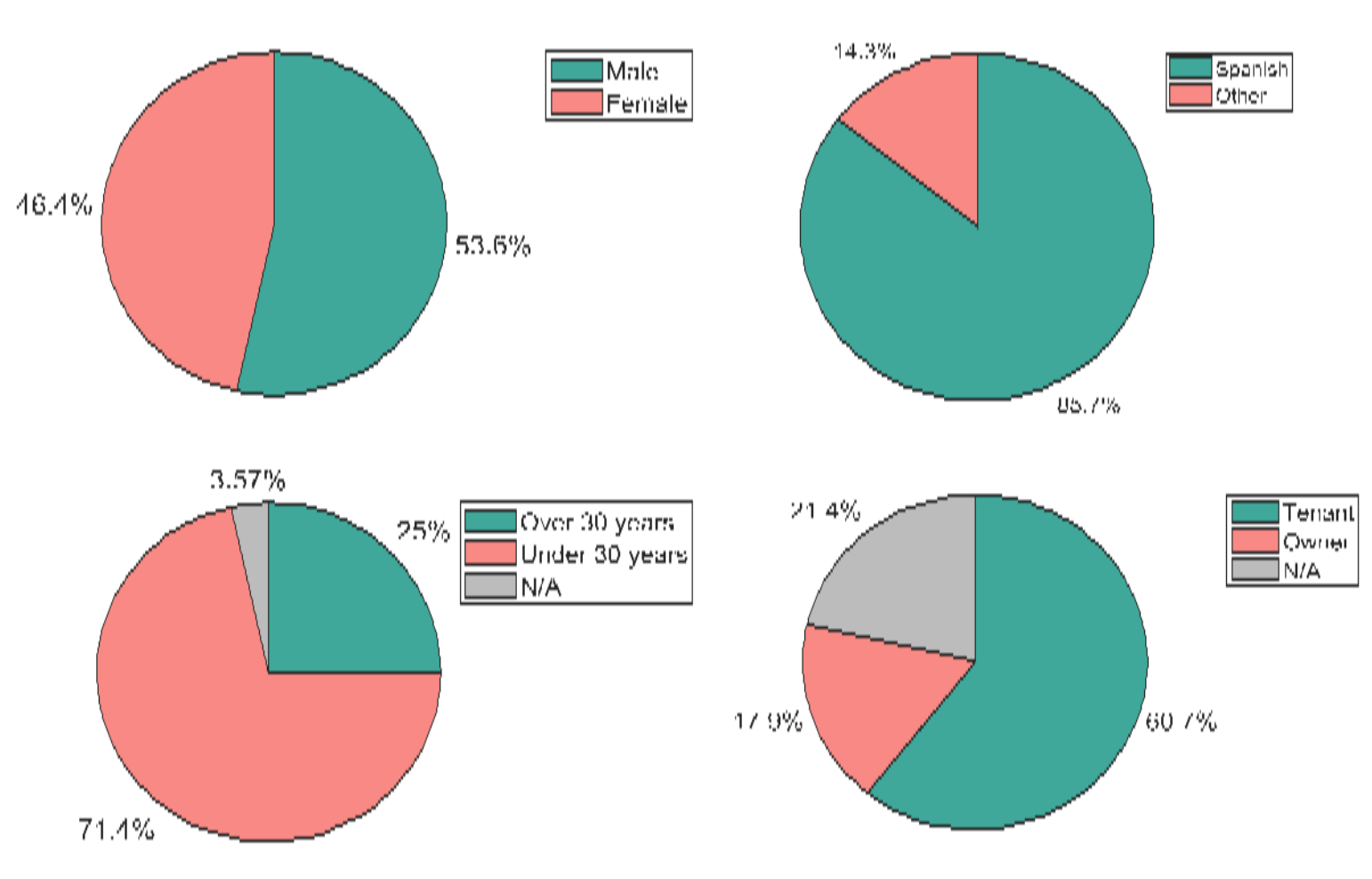
Figure 5. Demographic information of the Pajaro interview respondents.
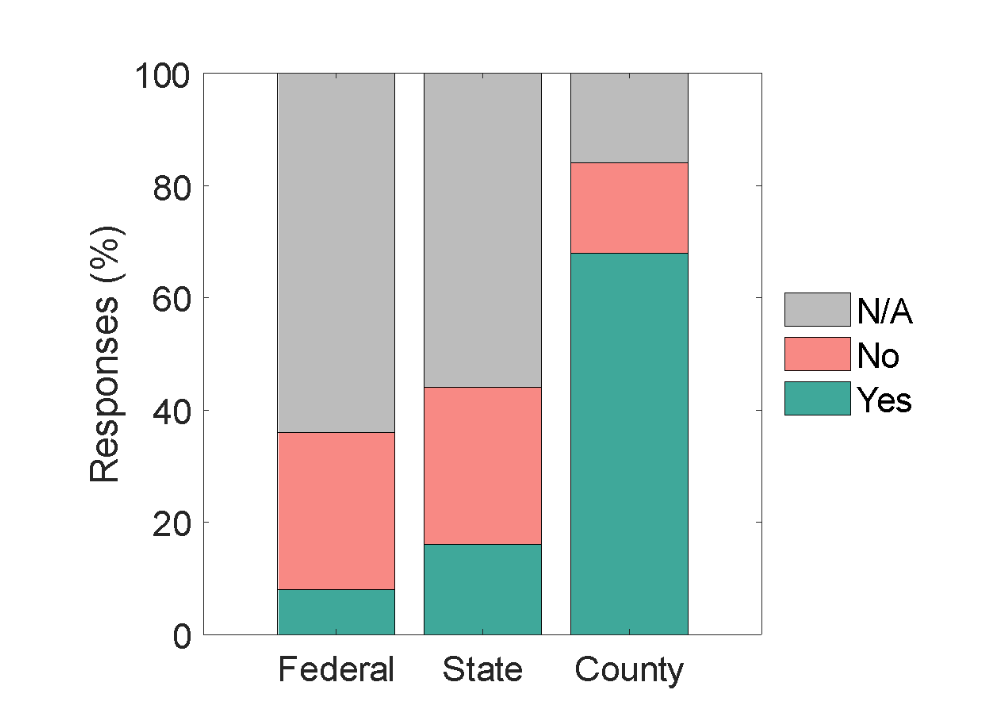
Figure 6. Percentage of interview respondents that held federal, state, and county agencies responsible for the 2023 levee failure.
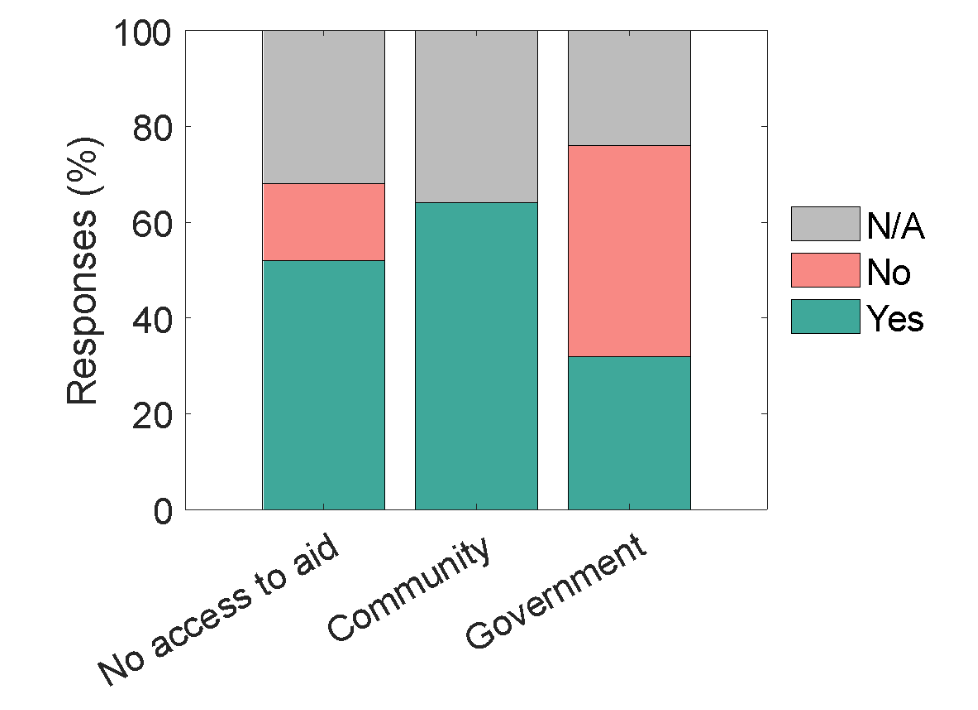
Figure 7. Percentage of respondents who spoke about the absence or access to aid and the source of that aid in the aftermath of the March 2023 levee failure
By combining the information collected from our literature review and insights from interviews in Pajaro, a new environmental justice framework was developed to address the vulnerabilities of socially disadvantaged communities living behind levees. The framework exists in three parts; (1) a conception of relational justice grounded in dignity or humanity, (2) a conception of risk and justice attuned to the perspectives and vulnerabilities associated with a person’s experience of identity, and (3) a conception of justice and agency alive to the possibilities of persons in marginalized communities to address the challenges of flooding and flood risk before and after a flood occurs. This basic framework of dignity, identity, and agency supplies an overarching structure and flexible questions to allow policy planners and communities to address the challenges of flood injustice.