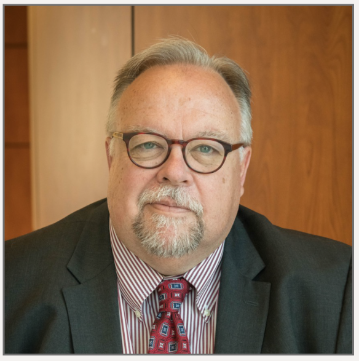
Letter from the Executive Director
Dear Friends and Supporters,
Artificial intelligence (AI) is woven into nearly every aspect of our lives—from education and health care to business and government. As AI continues its explosive and uncharted growth, so too does the urgency of ensuring that its development and use serve the common good. At the Markkula Center for Applied Ethics, we are deeply engaged in this effort, as evidenced by the projects highlighted in this year’s Annual Report.
The Markkula Center’s programs bring together scholars, technologists, policymakers, and students to address the profound moral and social questions raised by AI. Each of our Focus Areas and their respective program directors have, in meaningful ways, turned their attention to the ethical dilemmas stemming from AI. Over this past year, many of our Center staff have collaborated with colleagues across focus areas and partnered with SCU faculty all in an effort to ensure that AI innovation is guided by human values and ethical reflection.
To help us achieve this lofty goal, we’ve brought on board a few new faces: Davina Hurt is leading the Government Ethics program focused on the many challenges facing our democracy, Guadalupe Hayes-Mota is heading up the Bioethics program and its innovative Health Care Ethics Internship, and finally, Bill O’Neill S.J., working with both the Ethics Center and the Ignatian Center for Jesuit Education, is sharing his deep expertise in immigration ethics.
Your support makes this work possible. Because of your generosity, the Center continues to be a trusted voice in shaping a future where technology enhances, rather than undermines, human dignity and community well-being.
Thank you for your partnership as we continue to explore what it means to live ethically in an age of rapid innovation. Together, we can continue working to make AI a force for good in our world.
With gratitude,
Don Heider
Executive Director
Markkula Center for Applied Ethics
Highlights of the Ethics Center’s work from the 2024-25 academic year:
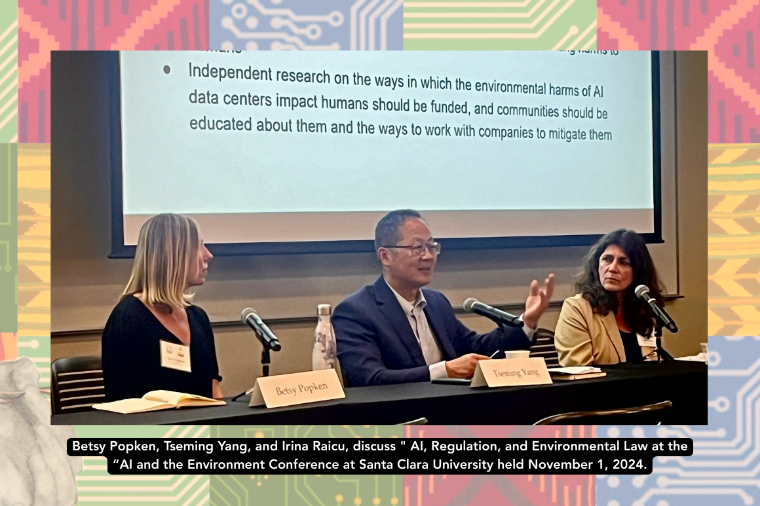
AI and the Environment
Through multi-disciplinary thought leadership, grant-funded research, and media outreach, Ethics Center staff are helping users of AI-powered tools understand the technology’s environmental impact.
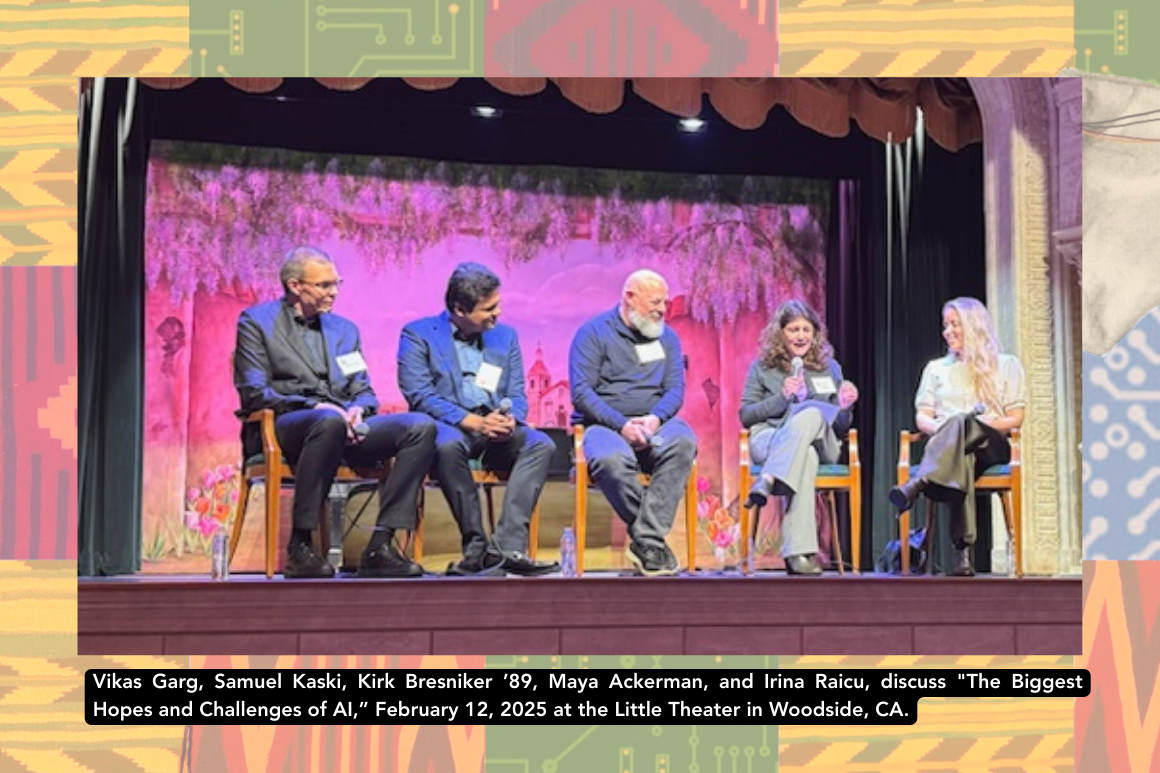
Convenings on AI
Ethics Center staff brought together experts from around the world to explore AI’s impact on society.
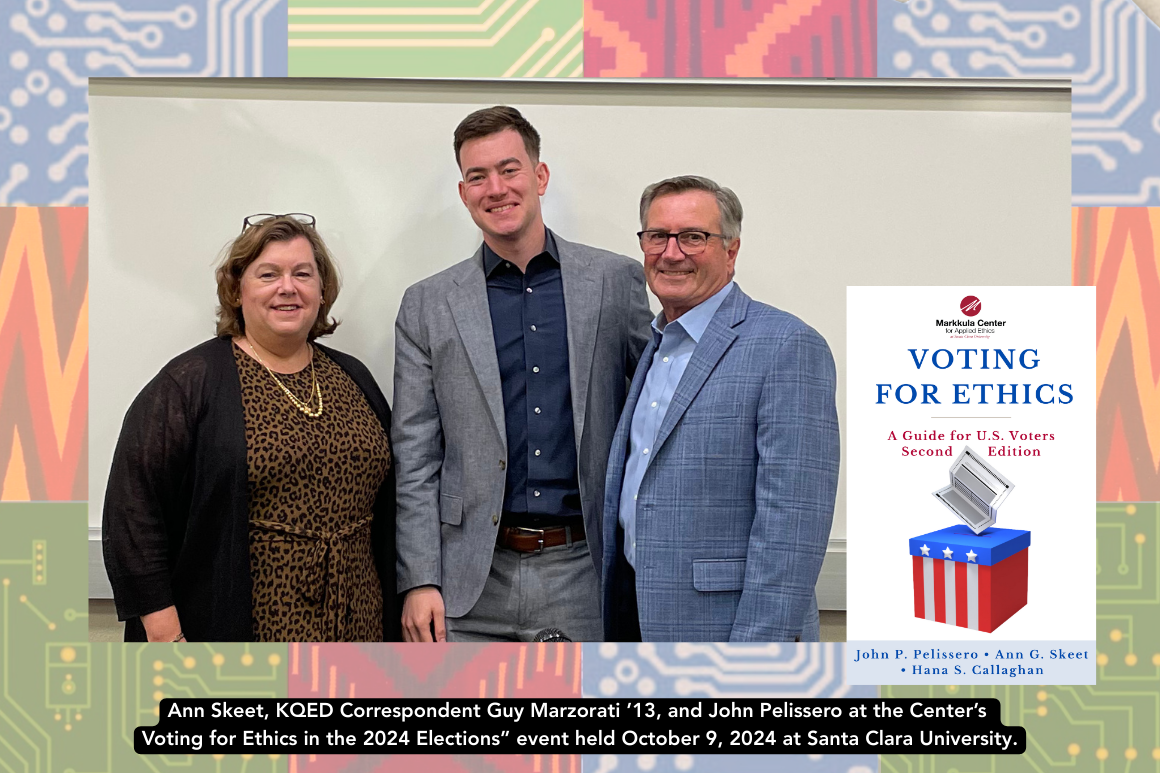
AI in Politics
One more area affected by AI, and certainly more consequential to our democracy, is politics–political communications in particular.
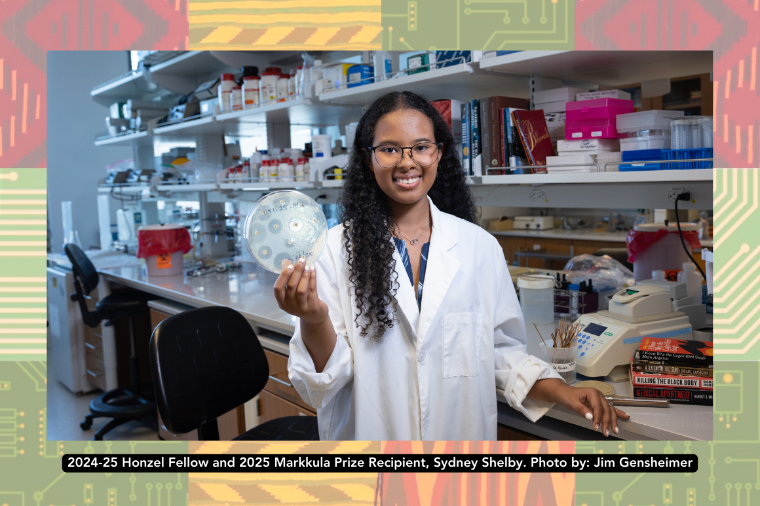
Ethical Analysis from our Students
The Markkula Center helped students across the SCU campus apply ethical analysis to the critical issues of our time.
The Ethics Center broadened its reach in 2024-25 and reached its constituents in new ways.

A summary of revenues and expenses from 2024-25.

The important work done by the Ethics Center is, in part, made possible by the generous financial support of its donors.

We are guided by an Advisory Board comprised of representatives of major Silicon Valley companies, law firms, and nonprofit organizations.
Program Areas
Ethics is crucial to every professional field, and the Markkula Center for Applied Ethics develops programs, resources, and insights for many disciplines.

Bioethics
seeks to resolve moral dilemmas that arise in health care and biotechnology.

Business Ethics
is the study of standards of behavior that promote human welfare and the common good within businesses.

Campus Ethics
welcomes Santa Clara University students, faculty, and staff into a conversation about applying ethics to the critical issues of our time.

Engineering Ethics
help engineers identify and respond to dilemmas they face.

Environmental Ethics
applies moral thinking to the natural world and the relationship between humans and the earth.

Government Ethics
encompasses the duties and obligations one assumes when he or she enters public service, as well as the personal pursuit of running for office.

Immigration Ethics
explores the moral issues that arise from the movement of individuals across borders.

Internet Ethics
explores topics including online privacy, cybersecurity, social media, data ethics, the digital divide, internet access, AI ethics, and corporate tech ethics development.

Journalism and Media Ethics
offers journalists a framework for ethical journalism and uses ethical principles to frame the design and delivery of news, social media, and search products.

Leadership Ethics
looks at the issues faced by those in formal leadership roles, as well as personal leadership, which is central to the way they are able to have an impact as leaders.

Religious and Catholic Ethics
program seeks to illuminate and comment on the influence of religious and Catholic thought on the ethical dimension of the key issues of our time.

Social Sector Ethics
works with both donors and nonprofit organizations themselves in the areas of finance and operations, leadership, fundraising, and engagement with the public.

Space Ethics
explores the human impact of our space obsession and the effects it may have on our own planet.

Technology Ethics
addresses issues arising from transhumanism and human enhancement ethics, catastrophic risk and ethics, religion and technology ethics, and space ethics.

Venture Ethics
focuses solely on studying and promoting applied ethics in venture capital. The Institute is the first and only of its kind and is made possible through a grant from the Lucas Brothers Foundation.
A Santa Clara University Center of Distinction
| Ignatian Center for Jesuit Education | Markkula Center for Applied Ethics | Miller Center for Global Impact |
|---|---|---|
 |
 |
 |
| exemplifies and activates the Jesuit, Catholic character of Santa Clara University by encouraging by inspiring awareness, thought, reflection, discernment, and action. | empowering people and organizations to make better decisions for a more caring world. | combines the entrepreneurial spirit of Silicon Valley with the Jesuit heritage of serving the poor and protecting the planet to accelerate social enterprises around the world. |