Energy Challenge

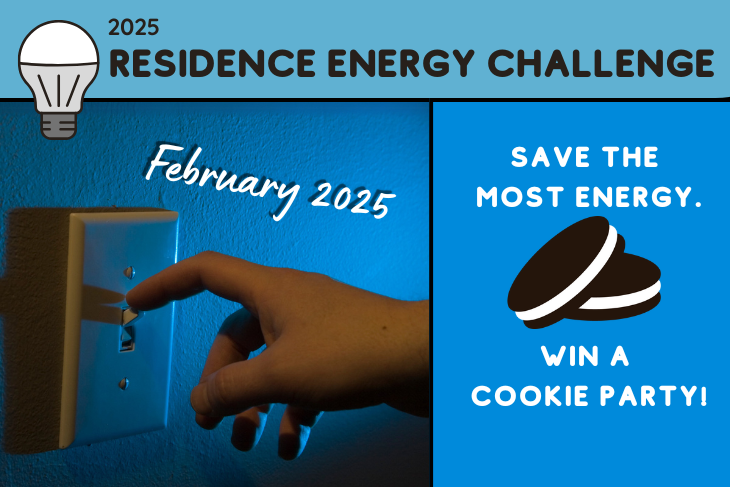
The annual Residence Energy Challenge encourages campus residents to examine their power usage and find ways to reduce wasted energy throughout the whole month of October. This conservation competition helps SCU maintain its carbon neutrality goal.


SHOW PROOF OF HOW YOU'RE SAVING ELECTRICITY

Energy Insights - submit your findings to us via email or Instagram

Zero-Power Hour - Typically the first Monday of October, held across campus at all RLCs

tUrn climate action events - Various times on days

Follow Sustainability at SCU on Instagram to keep informed of more Energy Challenge events!

The Energy Challenge has three subcompetitions:

  • Energy Conservation - AC League
  • Energy Conservation - No AC League
  • Enthusiasm - Overall

This means that residence halls with user control of air conditioning are in the "AC League" group, and those that do not have individual user control are in the "No AC League." Rather than directly rivaling against one another, residence halls attempt to reduce their building's electricity consumption in comparison to historical use, adjusted for changing numbers of residents. Students in the top-conserving residence halls, and those in the residence halls with the most enthusiasm for energy conservation efforts will be awarded prizes (3 RLC winners in all).

Electricity Competitions

AC League
RLCs in user controlled air-conditioned (AC) residence halls
  • Alpha (Graham)
  • Communitas (Campisi)
  • Da Vinci (Casa)
  • Modern Perspectives (Dunne)
  • Loyola (Sobrato)
  • Nobili
No AC League
RLCs in non-user controlled air-conditioned (no AC) residence halls
  • Cyphi (Swig)
  • Unity (McLaughlin/Walsh)
  • Xavier (Sanfilippo)

Enthusiasm Competition

(for highest number of active residents and actions engaging in energy conservation and peer education)
  • Alpha (Graham)
  • Communitas (Campisi)
  • Cyphi (Swig)
  • Da Vinci (Casa)
  • Loyola (Sobrato)
  • Modern Perspectives (Dunne)
  • Nobili
  • Unity (McLaughlin/Walsh)
  • Villas
  • Xavier (Sanfilippo)

You can monitor your RLC's energy use every day via a data dashboard that is updated by us from your building's energy meters.

AC League
RLCs in user controlled air-conditioned (AC) residence halls
  • Alpha (Graham)
  • Communitas (Campisi)
  • Da Vinci (Casa)
  • Modern Perspectives (Dunne)
  • Loyola (Sobrato)
  • Nobili
No AC League
RLCs in non-user controlled air-conditioned (no AC) residence halls
  • Cyphi (Swig)
  • Unity (McLaughlin/Walsh)
  • Xavier (Sanfilippo)


Enthusiasm Points

All building/RLCs listed including Nobili and the University Villas are eligible for this sub-competition.

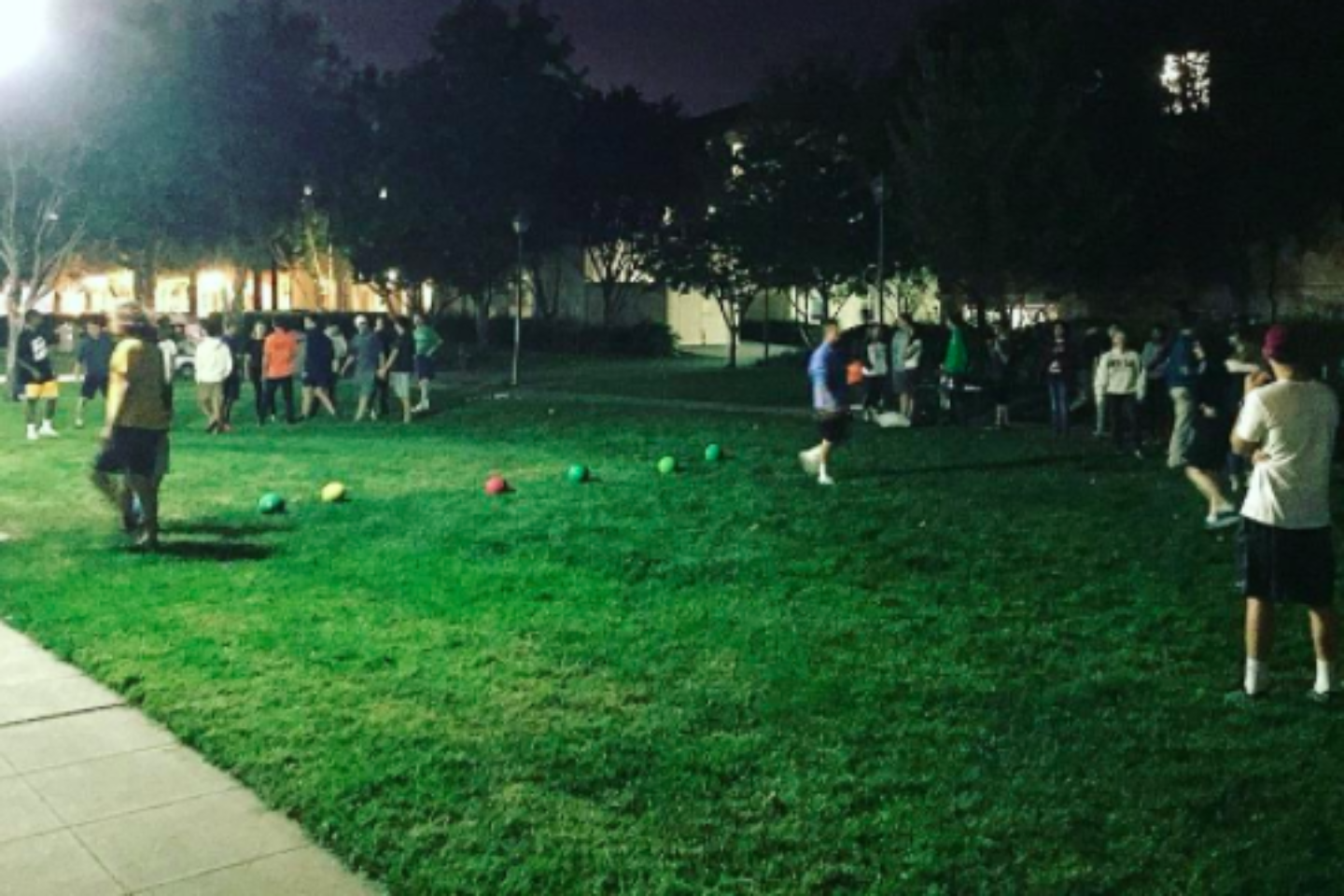
In the spirit of the game and competition, the Energy Challenge includes other activities to unify both the Residential Learning Communities (RLCs) on campus and off-campus students under the message of the significance of energy reduction. At these events, residents can earn enthusiasm points for their RLC. The RLC with the most enthusiasm points accumulated during the Energy Challenge is awarded the "Most Enthusiastic" building award. Enthusiasm can be reported to the Center for Sustainability using #sustainableSCU and tagging @sustainableSCU on Instagram or by emailing sustainability@scu.edu with a description of the program or initiative, a picture, the number of residents engaged or impacted, and the RLC. Enthusiasm points will be awarded only if content is submitted in the week that they occur. For instance, if an RLC implements a program on a Monday, the picture and details must be sent or posted within that day or before the next Monday to be considered.

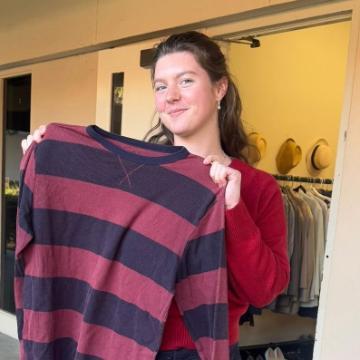
Taylor - coldwaterwash


Social Media Award

Post creative, sustainable actions on Facebook, Twitter, or Instagram. Mention your RLC and the following hashtags in order for it to count towards your building's enthusiasm! The more active you are on social media, the more raffle tickets you can win for the raffle prizes at the end-of-the-competition party, the Winners' Circle!

Example:

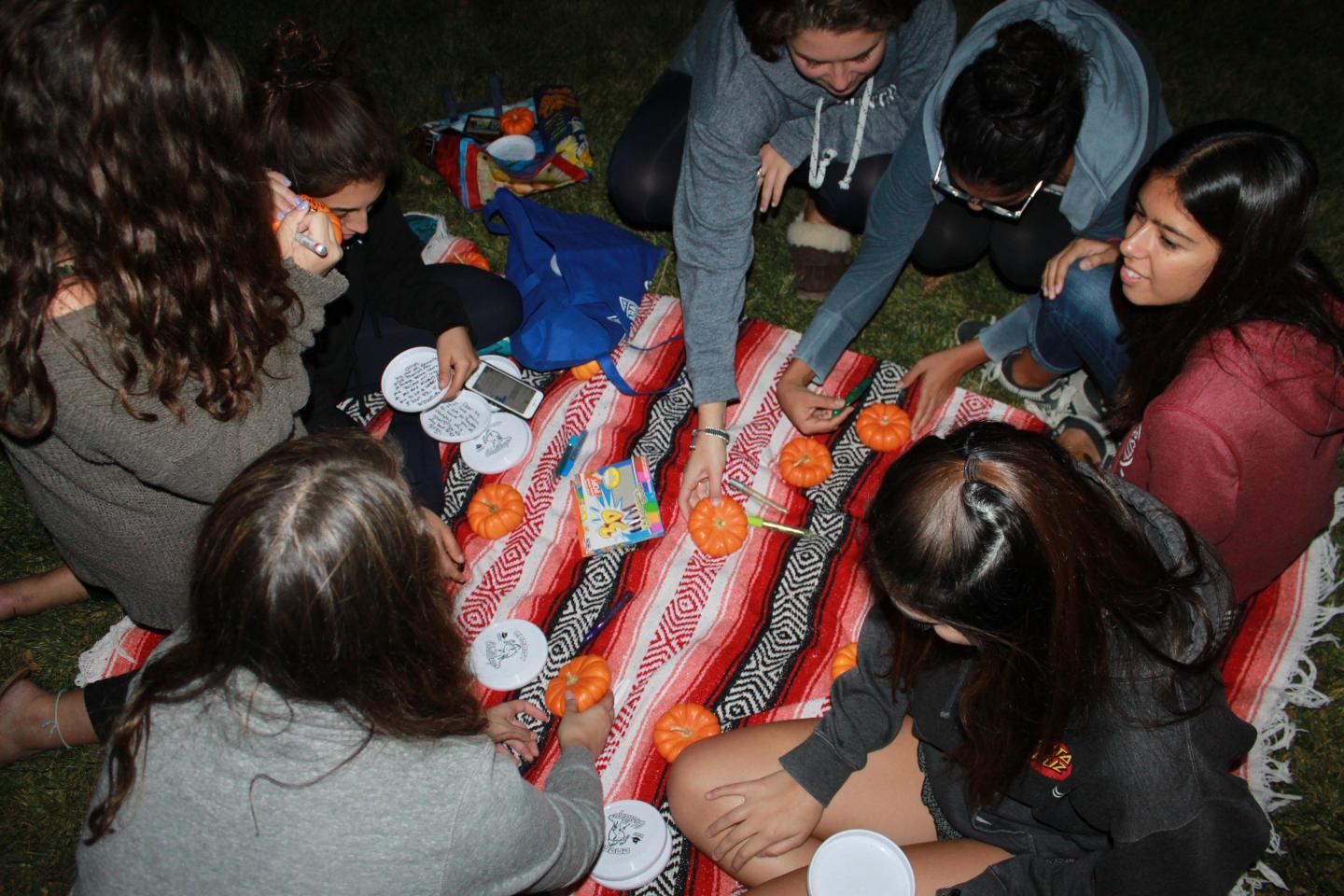
plate decoration _ loyola RLC

The efficiency of our energy use extends further and deeper than our wallets. Energy can be derived from many sources: coal, oil, wood, water, solar, wind, geothermal, and natural gas. The ways in which we extract and harness these energy sources is important as it affects our economy, social equity and justice, and the natural world.

The following simple actions can save you money and avoid excessive carbon emissions:

FOR BOTH ON- AND OFF-CAMPUS

  • Purchase and plug in a smart power strip to easily turn off all electronics and appliances with the flip of a switch (Unplugging appliances when not in use eliminate phantom loads, also known as vampire energy).
  • Swap out incandescent light bulbs with a compact fluorescent (CFL) or LED lights.
  • Turn off lights in rooms, bathrooms, and common spaces when unoccupied, not in use, and at night.
  • Before using air-conditioning or turning on the heat, add or remove a layer of clothing and close windows.
  • Wash your clothes in cold water.
  • Air dry about 50% or more of your laundry instead of an electric or gas dryer.
  • Wash FULL loads of dishes and clothes.
  • Take a 5-minute or less shower. It takes energy to heat up the water! If you take one minute off your shower, you save 1,024 gallons of water a year!

FOR ON-CAMPUS RESIDENTS AND USERS

  • Take the stairs if you are able, instead of the elevator, especially if you live in a building with 3 or less floors.
  • Share appliances like microwaves and fridges with your roommate, neighbor, and community rather than having your own.
  • Turn off your computer and monitor at the end of the day.
  • Participate in the annual Residence Energy Challenge. This is essential in further developing a campus culture of sustainability and in maintaining carbon neutrality. The Energy Challenge brings awareness to residents' energy consuming habits, engages residents in energy-conserving behaviors, and encourages residents to be engaged in identifying inefficiencies that we can improve.